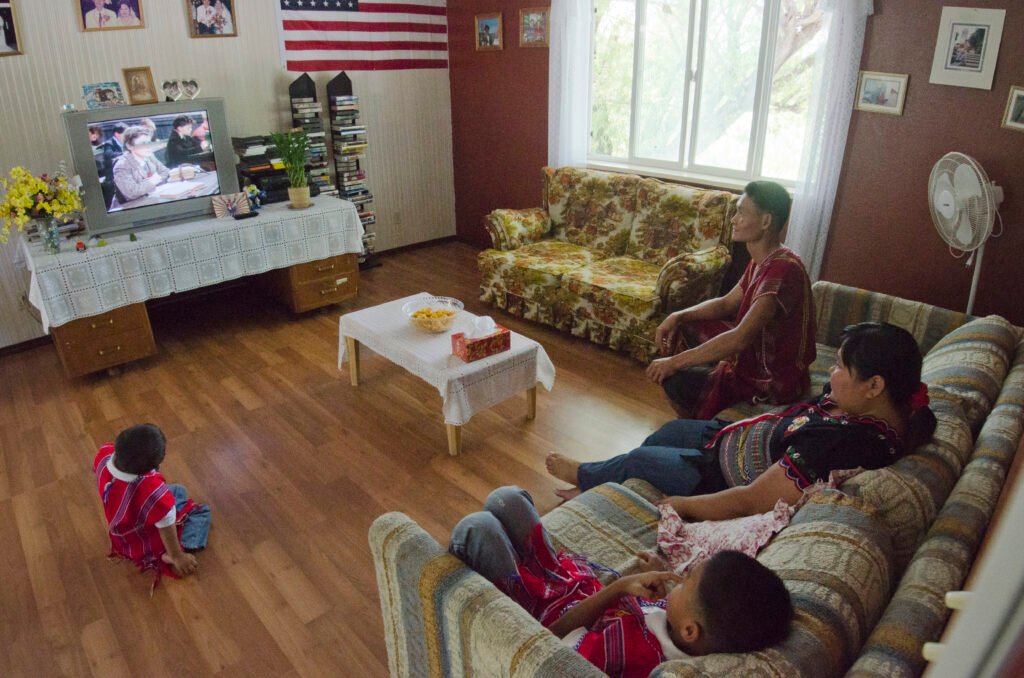
Media literacy treats the audience as an active, questioning participant in media consumption rather than a passive recipient absorbing whatever appears on a screen or page.
Core Questions to Ask
Media literacy frameworks commonly teach audiences to ask a consistent set of questions about any message encountered, including who created it, what techniques were used to attract attention, and what values or points of view are present or missing from the presentation.
Teaching Media Literacy
Many education systems now treat media literacy as a core skill alongside traditional reading and writing, recognizing that an audience encountering an overwhelming volume of daily information needs structured tools for evaluation rather than relying on instinct alone.
Spotting Manipulation Techniques
A central part of media literacy involves recognizing specific persuasion and manipulation techniques, such as selective statistics, emotionally loaded imagery, and misleading headlines that do not match the actual content of a story, skills that help an audience notice when a message is designed to provoke a reaction rather than inform.
Media Literacy in the Digital Age
The sheer volume of content now reaching people through social platforms has made media literacy considerably more demanding than in earlier decades, since an audience member today must evaluate not only traditional news but also user-generated content, sponsored posts, and algorithmically surfaced material, often without clear signals distinguishing one category from another.
Economic Considerations
Media literacy programs require sustained investment in teacher training, curriculum development, and ongoing updates as new platforms and manipulation techniques emerge, costs that have made comprehensive media literacy education uneven across different school systems and countries depending on available funding and political priority.
Looking Ahead
As generative tools make convincingly realistic fabricated text, images, and video increasingly accessible, media literacy curricula are being forced to evolve rapidly, incorporating specific techniques for evaluating synthetic content that did not need to be taught even a short time ago.
Related Specialties
Media literacy connects closely with agenda setting theory, media framing, and algorithmic content curation, since recognizing how issues are selected, framed, and algorithmically surfaced are all practical applications of the same underlying critical evaluation skill.
International Perspectives
Media literacy curricula differ considerably across countries, with some education systems mandating formal media literacy instruction starting in primary school and others leaving it entirely to individual teacher initiative or extracurricular programs, a disparity that researchers argue leaves students in some regions far better equipped to navigate a complex information environment than students elsewhere.
Practical Guidance for Readers
A simple habit recommended by many media literacy educators is pausing before sharing a piece of content to ask whether the source is known and credible, a brief check that can meaningfully reduce the spread of misleading material without requiring any specialized training.
A news literacy exercise that works well in classroom settings involves presenting students with two conflicting accounts of the same event and asking them to identify what evidence, sourcing, and framing choices account for the differences, a hands-on way of practicing critical evaluation rather than simply discussing it abstractly.
Fact-checking organizations have become an important complementary resource to formal media literacy education, providing real-time evaluation of specific claims that students and other audiences can learn to consult as part of their own verification habits before accepting or sharing a given piece of information.
Media literacy advocates increasingly argue that the skill applies just as much to evaluating the content a person creates and shares themselves as to evaluating content consumed from others, since a media-literate audience member today is frequently also a publisher through social platforms.
A short weekly habit of reading one opinion piece from a perspective a person does not naturally agree with, specifically to practice identifying its argument structure and evidence rather than simply reacting emotionally, builds critical evaluation skill that transfers to evaluating any media source.
Libraries and community organizations have increasingly stepped in to offer media literacy workshops for adult audiences, recognizing that formal education in school does not reach everyone and that media literacy needs updating throughout life as new platforms and techniques continue to emerge.
A news consumer who regularly checks the byline, publication date, and original source of a widely shared claim before accepting or forwarding it is applying one of the most basic and effective media literacy habits available, often catching outdated or misattributed content that would otherwise spread further.
Workplace training programs have begun incorporating media literacy modules as well, recognizing that employees who can accurately evaluate information are less likely to spread internal misinformation or fall for increasingly sophisticated scams delivered through email and messaging platforms.
Teachers who model their own evaluation process aloud when reviewing a questionable claim, explaining exactly what prompted their skepticism, often leave a stronger impression on students than simply presenting finished evaluation rules without demonstrating how those rules get applied in practice.
A short glossary of common manipulation terms, such as clickbait and astroturfing, shared alongside media literacy lessons gives learners concrete vocabulary for naming the specific techniques they are learning to spot in the wild.
A household that discusses media content together regularly, asking open questions rather than issuing blanket judgments, tends to raise more confident and capable media evaluators than one that simply restricts access without accompanying discussion.
A short reflection exercise asking learners to recall a time they were personally misled by a piece of media, and what specific detail would have tipped them off earlier, grounds abstract media literacy principles in genuine personal experience.
A short closing checklist, kept handy for quick reference, reminds a reader to verify source, date, and corroboration before accepting any surprising or emotionally charged claim at face value.
Key facts
- Array
Quick checkWhat is the central skill that media literacy education tries to build in an audience?Show answer
The ability to critically analyze and evaluate media messages, including who created them, why, and who benefits, rather than simply accepting them at face value.
Sources
- Array
Editorially reviewed by Specialty Digest Editorial TeamLast reviewed November 3, 2026Researched and drafted with AI assistanceReport an issue