Specialty Digest

Global English editionLearners’ Study Dashboard — in development
The Knowledge Library for All
Encyclopedia / Journalism & Media Studies

Media Studies & Criticism

Specialty Knowledge entries in Media Studies & Criticism.

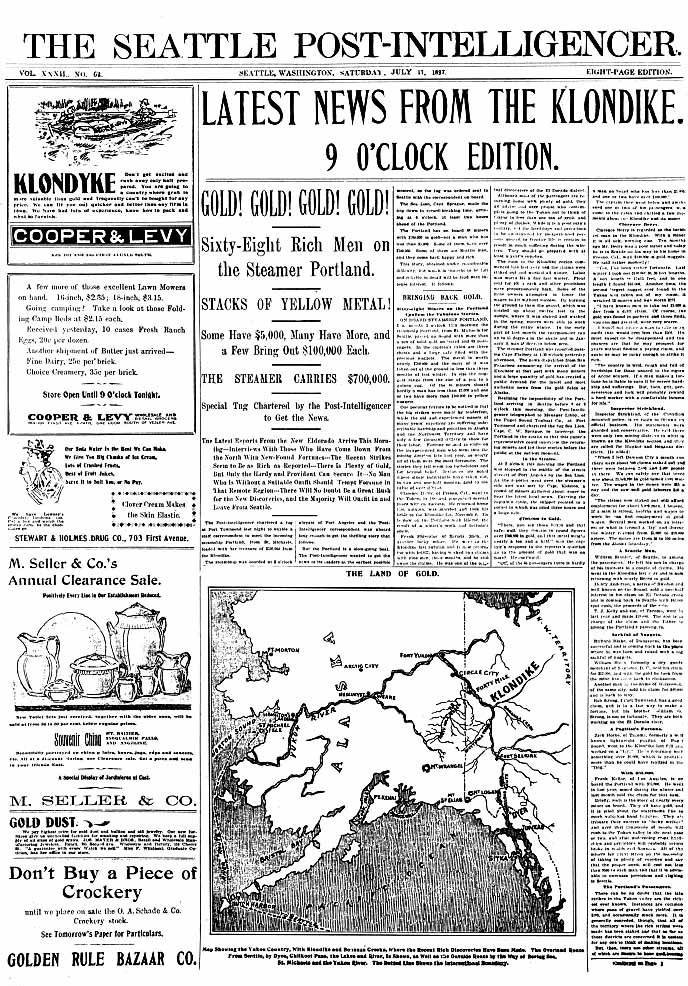
Historic newspaper front page illustrating agenda setting in the press

Agenda Setting Theory

Agenda setting theory distinguishes between telling an audience what to think and shaping what the audience thinks about in the first place. The Original Insight Early agenda setting research compared the issues given heavy media coverage against the issues voters identified as most important, finding a strong correlation that suggested coverage volume itself shapes perceived
Agenda Setting Theory Read More »

Agenda setting theory describes how media coverage shapes which issues the public considers important, even without directly telling the audience what to think about them.

Computer processors illustrating the hardware behind algorithmic content curation

Algorithmic Content Curation

Algorithmic content curation has replaced much of the human editorial judgment that once determined what an audience saw, substituting automated ranking systems operating at a scale no team of editors could match. How Curation Systems Decide Most algorithmic curation systems rank content based on predicted engagement, using signals such as past viewing history, time spent,

Algorithmic Content Curation Read More »

Algorithmic content curation refers to the automated systems that select, rank, and personalize the media content a user sees, rather than a human editor making that decision directly.

Children watching television together, illustrating audience reception theory

Audience Reception Theory

Audience reception theory shifted media scholarship away from focusing purely on content and toward understanding how real audiences actively interpret that content. Dominant, Negotiated, and Oppositional Readings A widely referenced framework describes three broad ways an audience might interpret a text: accepting the intended meaning fully, partially accepting it while adapting certain elements to personal

Audience Reception Theory Read More »

Audience reception theory holds that media meaning is actively constructed by audiences based on their own background and experience, rather than passively absorbed exactly as a text intends.

Television control room illustrating gatekeeping in media production

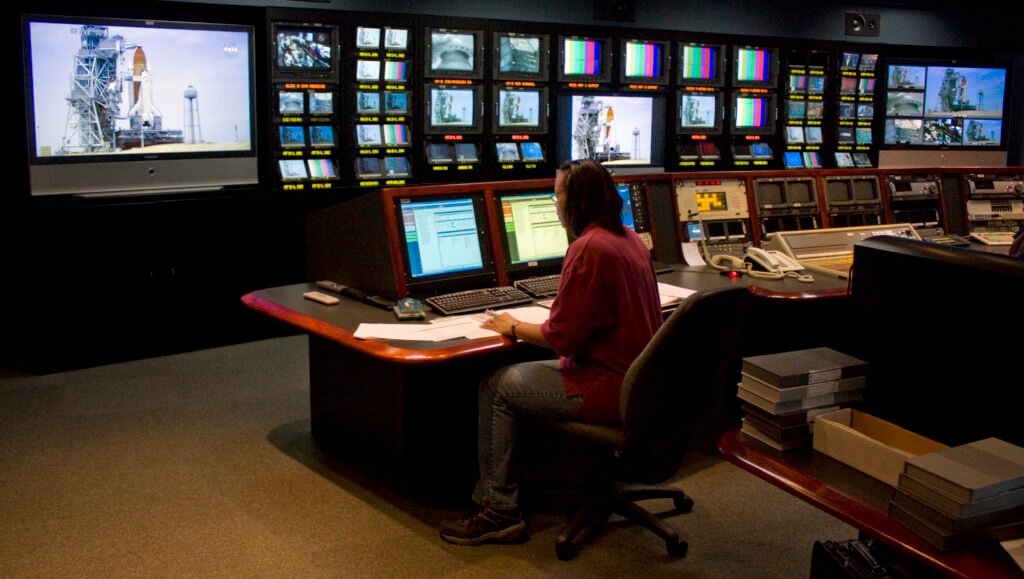
Gatekeeping Theory

Gatekeeping theory treats the journey of information from source to audience as a series of checkpoints where someone, or something, decides what passes through. The Traditional Human Gatekeeper Classic gatekeeping research examined how an individual editor, working with far more available wire copy than could ever be printed, made consistent, patterned decisions about which stories

Gatekeeping Theory Read More »

Gatekeeping theory examines how editors, platforms, and other intermediaries decide which information passes through to reach an audience and which does not.

Broadcast control room illustrating media convergence across platforms

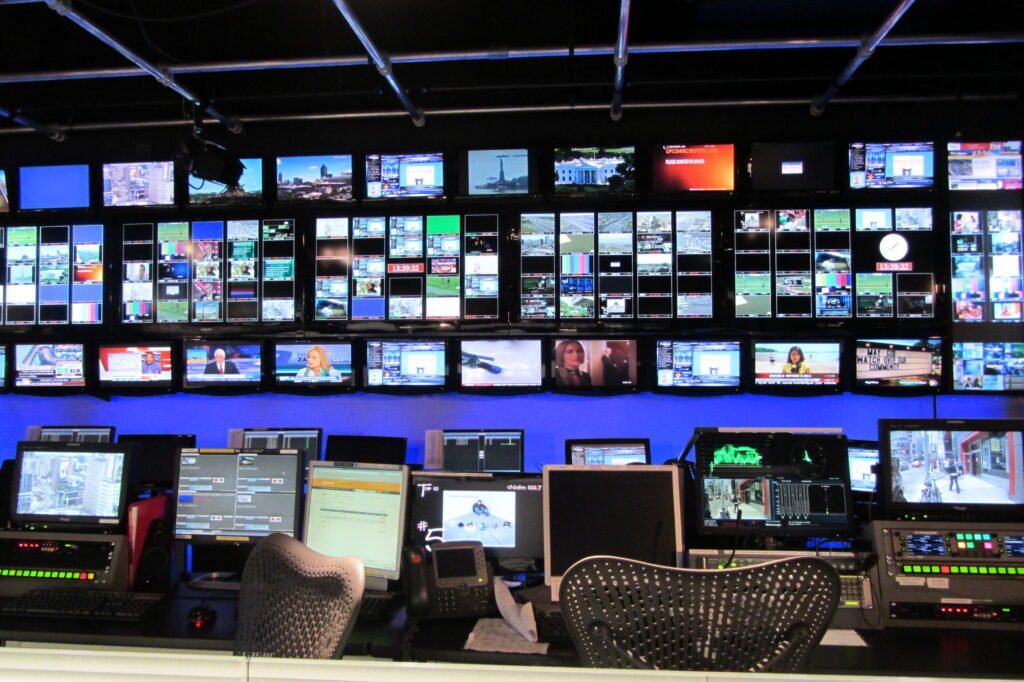
Media Convergence

Media convergence describes how boundaries between formats and industries that once seemed fixed, print versus broadcast versus online, have increasingly dissolved into integrated digital operations. Convergence at the Content Level A convergent newsroom typically produces a single story in multiple formats simultaneously, turning the same original reporting into a written article, a short video, a

Media Convergence Read More »

Media convergence describes the blending of previously distinct media technologies, industries, and content formats into integrated digital platforms.

Vintage television set, illustrating the long history of media effects research

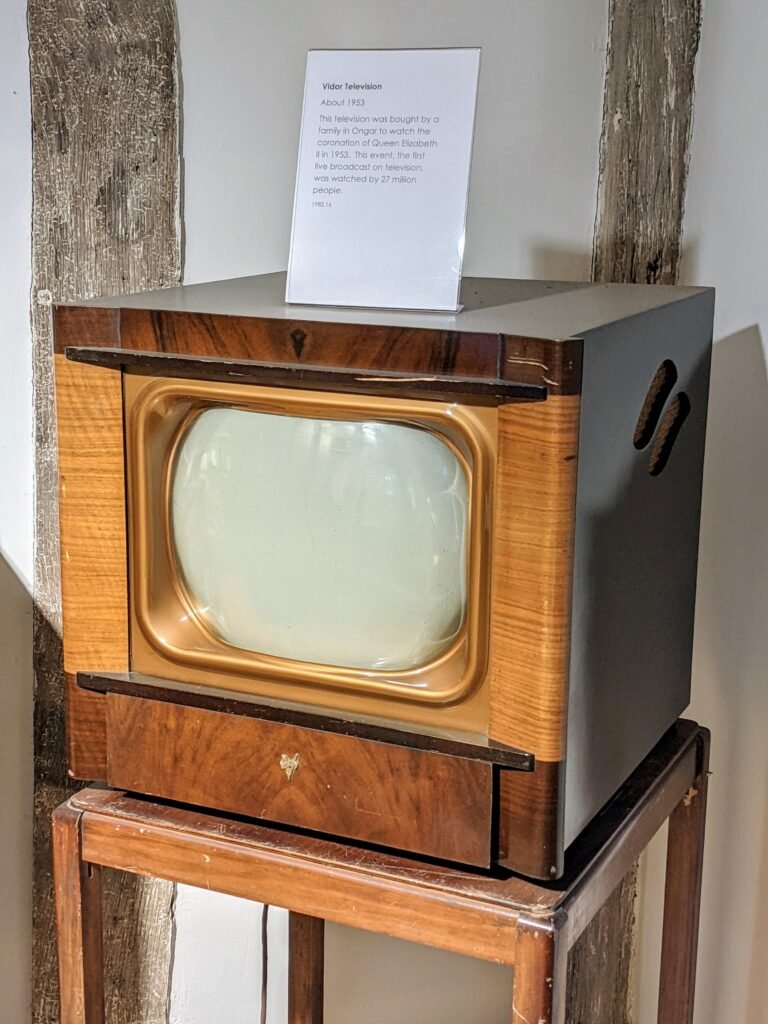
Media Effects Research

Media effects research asks one of the oldest and most contested questions in the field: how much power does media content actually have over an audience beliefs and behavior. From Direct Influence to Conditional Effects Early twentieth century models often assumed media exerted a strong, nearly uniform influence on a mass audience, but subsequent decades

Media Effects Research Read More »

Media effects research is the broad scholarly field studying how exposure to media content influences audience attitudes, beliefs, and behavior over time.

Television news footage being watched, illustrating media framing

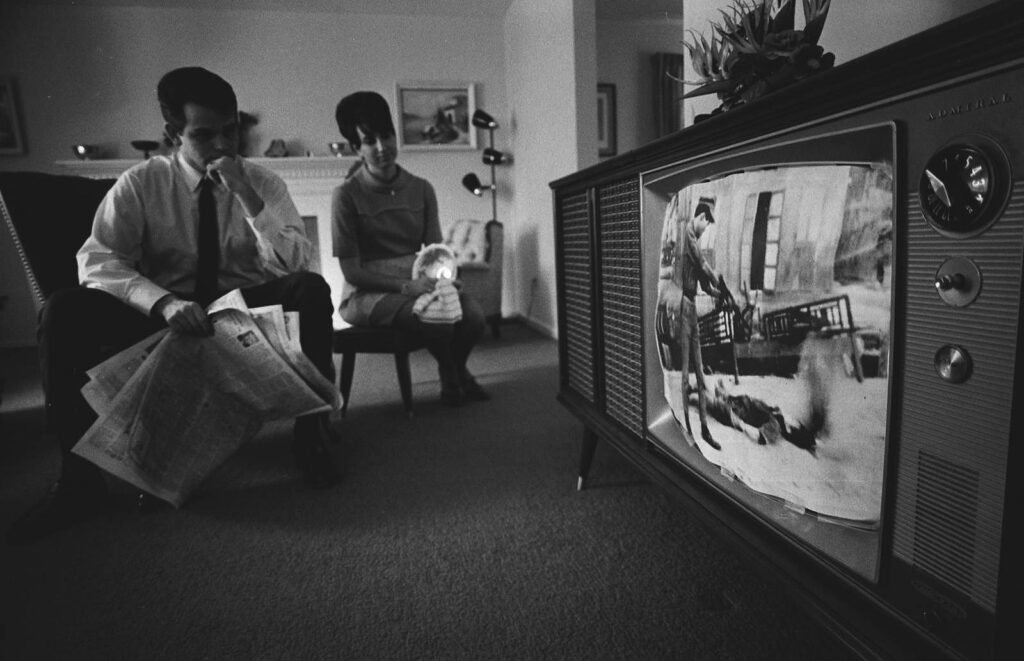
Media Framing

Media framing recognizes that presenting the same underlying facts through a different interpretive lens can meaningfully change how an audience understands an issue. Common Frame Types Researchers studying political and social coverage have identified recurring frame types, including a conflict frame emphasizing disagreement between parties, an economic frame emphasizing financial consequence, and a human interest

Media Framing Read More »

Media framing is the practice of presenting an issue through a particular interpretive lens that emphasizes certain aspects while downplaying others.

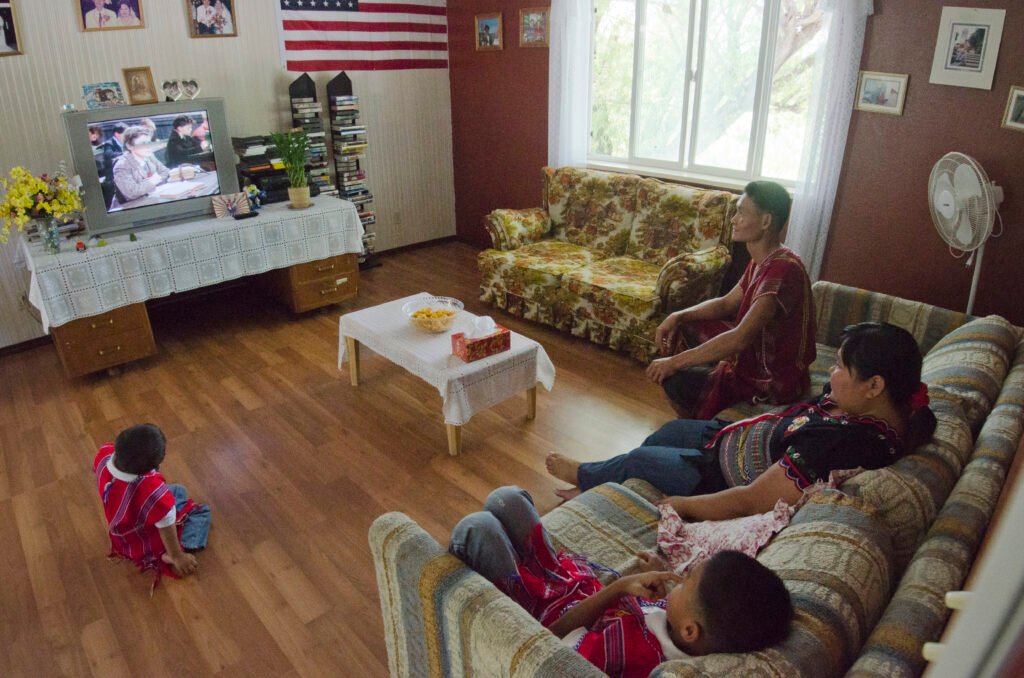
Family in a community setting illustrating media literacy and public information

Media Literacy

Media literacy treats the audience as an active, questioning participant in media consumption rather than a passive recipient absorbing whatever appears on a screen or page. Core Questions to Ask Media literacy frameworks commonly teach audiences to ask a consistent set of questions about any message encountered, including who created it, what techniques were used

Media Literacy Read More »

Media literacy is the set of skills that allows a person to critically analyze, evaluate, and create media messages rather than absorb them uncritically.

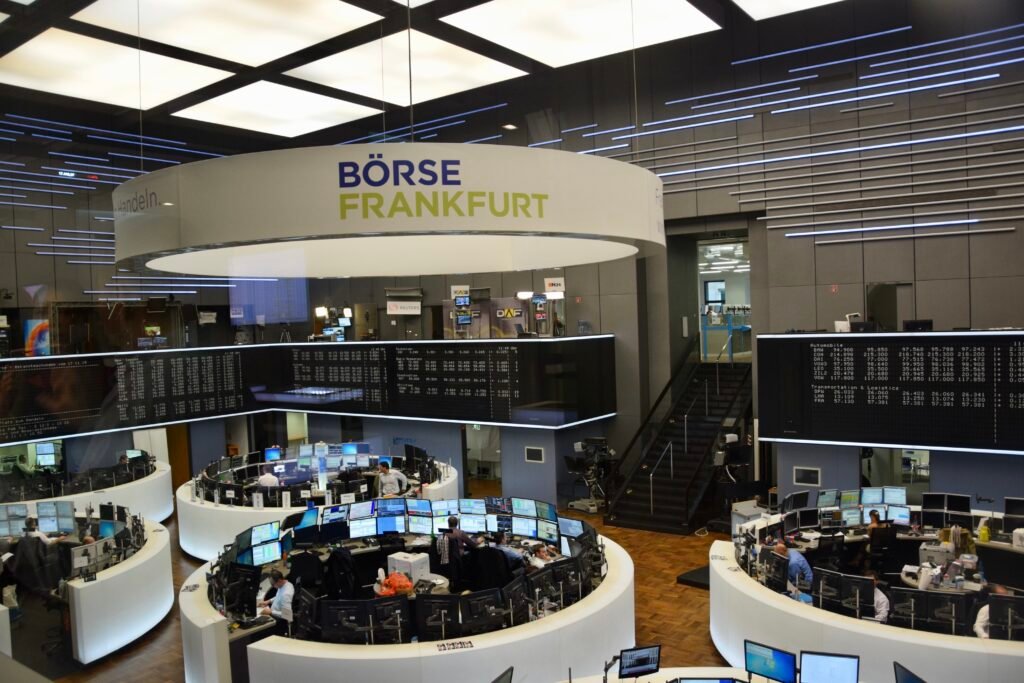
Stock exchange trading floor, illustrating the political economy of media ownership

Political Economy of Media

The political economy of media looks past individual editorial decisions to examine how financial structure and ownership shape media content at a systemic level. Ownership Concentration A central concern in this field is the degree to which media ownership has concentrated among a relatively small number of large companies, raising questions about how much genuine

Political Economy of Media Read More »

The political economy of media examines how ownership structures, advertising revenue, and market pressure shape what content media organizations ultimately produce.

Television production crew filming on location, illustrating representation choices in media

Representation in Media

Representation in media asks not just whether a group appears on screen or in coverage, but how that group is actually portrayed when it does appear. Counting Appearances Versus Judging Quality Researchers studying representation typically track both how often a group appears across a given body of content and how that group is characterized, since

Representation in Media Read More »

Representation in media examines how different groups of people are portrayed, included, or excluded across film, television, news, and other media forms.