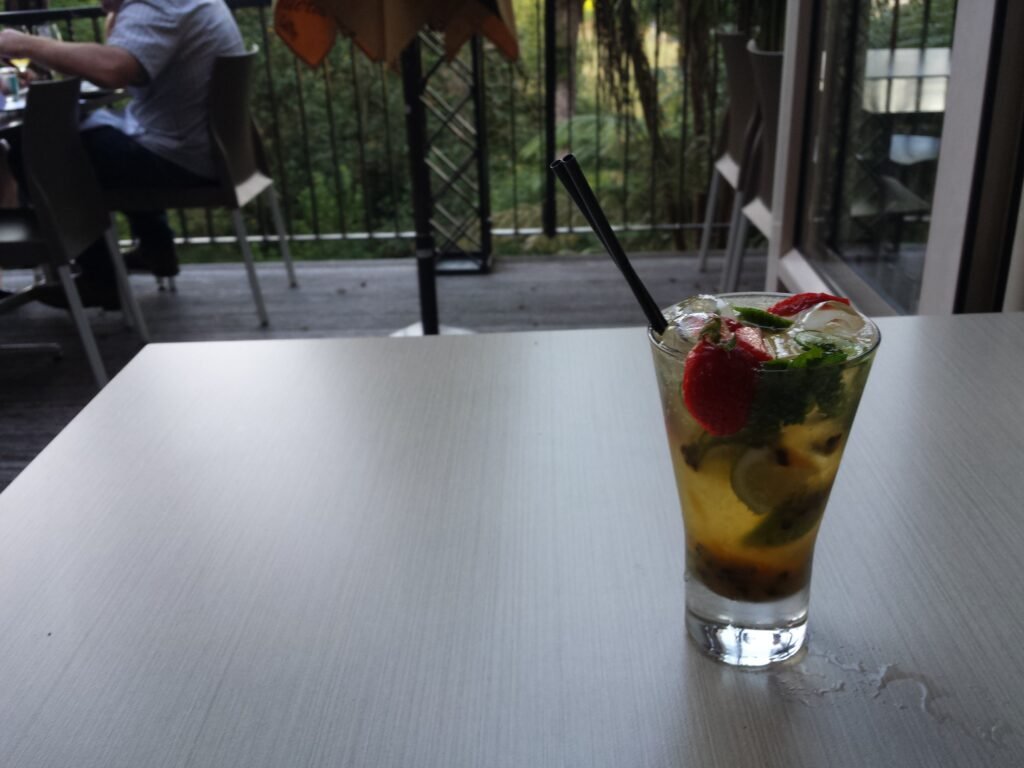
Non-alcoholic beverages encompass the broad category of drinks consumed without ethanol content, ranging from water and juice to sodas, teas, and dealcoholized versions of wine and beer.
Categories and Production
The category includes naturally alcohol-free drinks like fruit juices and sparkling water alongside beverages crafted to mimic alcoholic counterparts, such as non-alcoholic beer produced through limited fermentation or vacuum distillation, and dealcoholized wine made by removing ethanol from finished wine through processes like reverse osmosis.
Market Growth
Consumer interest in moderation and sober-curious lifestyles has driven rapid growth in sophisticated non-alcoholic options, including complex botanical spirits alternatives and zero-proof cocktails designed to replicate the sensory complexity of traditional drinks without intoxicating effect.
Regulatory Definitions
Most jurisdictions define non-alcoholic beverages by a maximum residual alcohol threshold, commonly around 0.5 percent by volume, distinguishing them from low-alcohol products that retain a small but measurable ethanol content.
Production Techniques for Dealcoholization
Removing alcohol from a finished wine or beer without destroying its flavor is technically challenging, since ethanol carries and interacts with many aromatic compounds; common methods include vacuum distillation, which uses reduced pressure to lower the boiling point of alcohol so it can be removed at temperatures gentle enough to preserve delicate flavors, and reverse osmosis, which filters alcohol molecules out using pressure-driven membrane technology.
Flavor Challenges and Solutions
Because alcohol contributes body, mouthfeel, and the perception of warmth in a finished drink, producers of non-alcoholic alternatives often add back natural flavor extracts, use specialized yeast strains that produce less alcohol during fermentation, or blend in ingredients like glycerol to restore lost texture. Achieving a convincing non-alcoholic beer or wine remains one of the more difficult technical challenges in beverage science, and quality varies considerably across brands as the category matures.
Health and Social Drivers
Interest in non-alcoholic beverages has grown alongside broader wellness trends, generational shifts in drinking habits among younger consumers, and greater social acceptance of moderation or abstention at events once assumed to center entirely on alcohol. Sober-curious movements and designated events like Dry January have normalized ordering a sophisticated non-alcoholic drink in social settings, reducing the stigma that once made abstention feel conspicuous or required explanation at gatherings centered on alcohol.
Market and Industry Response
Beverage companies, both established alcohol producers and dedicated startups, have responded with expanding non-alcoholic product lines, from zero-proof spirits alternatives built around botanical complexity to dealcoholized wine and beer that increasingly approximate their alcoholic counterparts in taste and mouthfeel. Bars and restaurants have followed suit, developing dedicated zero-proof cocktail menus rather than offering only soda or juice as the sole alternative to alcohol, reflecting the category’s shift from afterthought to a genuine business priority.
Labeling and Consumer Clarity
Clear labeling distinguishing non-alcoholic from low-alcohol products matters for consumers managing health conditions, pregnancy, religious observance, or personal choice around even trace alcohol content, and regulators in many countries have tightened labeling rules to prevent products near but above the legal non-alcoholic threshold from being marketed in ways that obscure their actual alcohol content. This regulatory attention reflects the category’s growing mainstream importance rather than its earlier status as a minor niche within beverage retail.
Flavor Innovation and Craft Approaches
Smaller producers have approached the category with craft sensibilities similar to specialty coffee or craft brewing, using fermentation, botanical infusion, and careful ingredient sourcing to create complex non-alcoholic drinks built from first principles rather than simply stripping alcohol from an existing recipe. This craft approach has helped shift perception of non-alcoholic options from compromise products toward beverages valued on their own distinct merits.
Functional and Fortified Non-Alcoholic Options
Some non-alcoholic beverages are formulated to offer functional benefits beyond flavor alone, incorporating adaptogens, nootropics, or other wellness-oriented ingredients marketed to provide relaxation or focus effects without alcohol’s intoxicating or next-day impairment effects. While scientific evidence for many of these functional claims remains limited, their popularity signals how non-alcoholic beverage marketing increasingly borrows language and positioning once associated with the alcoholic beverages they are designed to replace.
Outlook for the Category
Industry analysts project continued growth for non-alcoholic beverages as production techniques improve and consumer acceptance widens across age groups and social contexts, with major beverage companies now treating the category as a core growth area rather than a niche experiment. As dealcoholization and flavor-replication technology continues to advance, the gap between alcoholic and non-alcoholic versions of familiar drinks is expected to keep narrowing, further normalizing non-alcoholic choice as simply one more option on a menu rather than a notable departure from it.
Agricultural and Environmental Considerations
Producing a convincing non-alcoholic beer or wine still requires growing and fermenting the same base ingredients as the alcoholic version before removing alcohol, meaning the environmental footprint of agriculture and initial production remains largely unchanged even as the final product carries no alcohol. Some producers have begun exploring more efficient approaches that reduce rather than remove alcohol during fermentation itself, potentially lowering the energy and water costs associated with dedicated dealcoholization equipment used after full fermentation completes.
As these techniques mature, the category is likely to keep closing the remaining gap between non-alcoholic and traditional options in both flavor and overall drinking experience.
For a beverage category once treated as an afterthought, non-alcoholic drinks now represent one of the fastest-evolving and most closely watched corners of the entire beverage industry.
Consumers deciding what to pour next increasingly weigh these zero-proof options on equal footing with traditional alcoholic choices rather than treating them as a lesser substitute.
That shift in perception, from compromise to genuine preference, marks the clearest sign of how far non-alcoholic beverages have come.
Key facts
- Includes naturally alcohol-free and dealcoholized drinks;Driven by sober-curious consumer trends;Typically capped near 0.5% ABV by regulation
Quick checkWhat alcohol threshold typically defines a non-alcoholic beverage?Show answer
Around 0.5 percent alcohol by volume in most jurisdictions
Sources
- Beverage industry regulatory standards
Editorially reviewed by Specialty Digest Editorial TeamLast reviewed November 3, 2026Researched and drafted with AI assistanceReport an issue