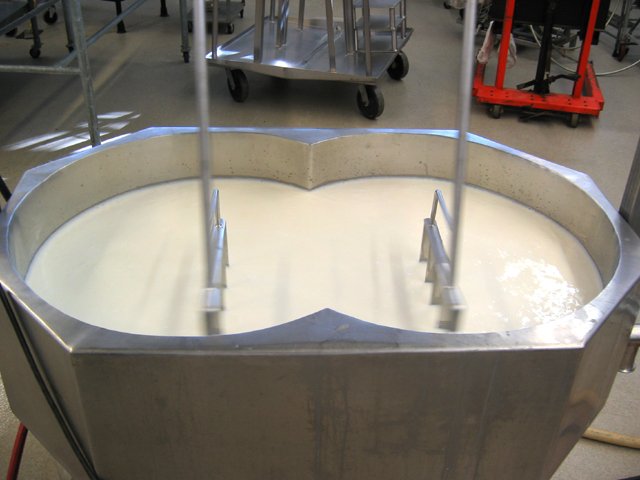
Pasteurization is a thermal processing method that heats food or beverages to a specific temperature for a set period of time to destroy harmful microorganisms and reduce spoilage organisms, without necessarily sterilizing the product completely, extending shelf life and improving safety while generally preserving more of the original flavor and nutritional content than more intense heat treatments would allow. Named after French scientist Louis Pasteur, who developed the technique in the nineteenth century originally to prevent wine and beer spoilage, pasteurization has since become a cornerstone food safety process applied to milk, juice, eggs, and many other products worldwide.
How Pasteurization Works
Pasteurization relies on the principle that different microorganisms have different heat tolerances, so a carefully calculated combination of temperature and time can reliably destroy pathogenic and spoilage organisms of concern for a given food without requiring the much higher temperatures that full sterilization would demand. Common pasteurization methods include high-temperature short-time processing, which heats a product to a relatively high temperature for a brief period, typically a matter of seconds, and low-temperature long-time processing, which uses a lower temperature sustained over a longer duration, with both approaches achieving comparable microbial reduction through different combinations of heat intensity and exposure time.
Milk Pasteurization as the Defining Application
Milk pasteurization remains one of the most widely recognized applications of the technique, developed specifically to address the serious public health risks associated with raw milk consumption, including transmission of tuberculosis, brucellosis, and other dangerous pathogens that were historically common before pasteurization became standard practice. The widespread adoption of milk pasteurization during the twentieth century is credited with dramatically reducing milk-borne illness, and most jurisdictions today either require pasteurization for commercially sold milk or heavily regulate the sale of raw, unpasteurized milk specifically because of the demonstrated public health benefit pasteurization provides.
Pasteurization Versus Sterilization
Pasteurization differs from full sterilization in that it reduces microbial populations to a safe level without necessarily eliminating every microorganism present, meaning pasteurized products generally still require refrigeration and have a limited, though substantially extended, shelf life compared to unpasteurized equivalents. Ultra-high-temperature processing, sometimes used for shelf-stable milk products, applies more intense heat treatment than standard pasteurization specifically to achieve a level of sterility that allows room-temperature storage, representing a point on the spectrum between standard pasteurization and full sterilization, with corresponding tradeoffs in flavor compared to traditionally pasteurized products.
Ongoing Debates and Modern Applications
While pasteurization is scientifically well established as an effective food safety measure, debate continues in some consumer circles over raw, unpasteurized versions of certain foods, particularly milk and some cheeses, with proponents citing flavor and perceived nutritional benefits while public health officials generally emphasize the documented safety risks of consuming unpasteurized dairy products. Beyond dairy, pasteurization techniques continue to be adapted for new applications, including non-thermal pasteurization alternatives such as high-pressure processing, which achieve similar microbial reduction goals through different mechanisms, expanding the range of products that can be safely preserved without relying on heat treatment alone.
Equipment and Industrial-Scale Pasteurization
Commercial pasteurization relies on specialized heat exchanger equipment designed to rapidly heat a product to the required temperature, hold it for the precisely calculated time, and then rapidly cool it, minimizing the total time the product spends at elevated temperature to limit flavor and nutrient degradation while still achieving the required microbial reduction. These systems operate continuously in large dairy and beverage processing facilities, processing enormous volumes of product while maintaining precise temperature and timing control verified through continuous monitoring and recording equipment, since regulatory compliance in most jurisdictions requires documented proof that each batch received adequate pasteurization treatment before it can be legally sold.
Pasteurization of Juice and Egg Products
Beyond dairy, pasteurization is widely applied to fruit and vegetable juices, which can otherwise harbor dangerous pathogens such as certain strains of bacteria capable of causing serious illness, particularly in vulnerable populations such as young children and elderly consumers who are more susceptible to foodborne illness complications. Egg products, including liquid eggs used in commercial food manufacturing and some shell eggs intended for vulnerable consumers, also undergo pasteurization specifically to address the risk of Salmonella contamination, a process that must be carefully calibrated since eggs are more heat-sensitive than milk and require precise temperature control to achieve pasteurization without causing the eggs to cook or their proteins to denature unacceptably.
Consumer Education and Public Health Messaging
Public health agencies continue to emphasize pasteurization safety benefits in consumer education materials, particularly as interest in raw, unpasteurized foods has grown in some communities, aiming to ensure consumers understand the specific, well-documented risks associated with consuming unpasteurized dairy and other products before making informed choices about what they buy and consume. This ongoing public health messaging reflects decades of epidemiological evidence linking raw milk and other unpasteurized product consumption to preventable foodborne illness outbreaks, a body of evidence that continues to inform both regulatory policy and public health communication efforts worldwide.
Equipment manufacturers and regulators continue refining pasteurization standards as new products and consumer preferences emerge across the global food and beverage industry.
This continued investment reflects pasteurization enduring importance as one of the most effective and widely applied food safety interventions available today.
Its track record continues to shape food safety policy across dairy, beverage, and egg product industries globally.
Key facts
- Array
Quick checkWho developed pasteurization and for what original purpose?Show answer
Louis Pasteur developed pasteurization in the nineteenth century originally to prevent wine and beer spoilage.
Sources
- Array
Editorially reviewed by Specialty Digest Editorial TeamLast reviewed November 3, 2026Researched and drafted with AI assistanceReport an issue