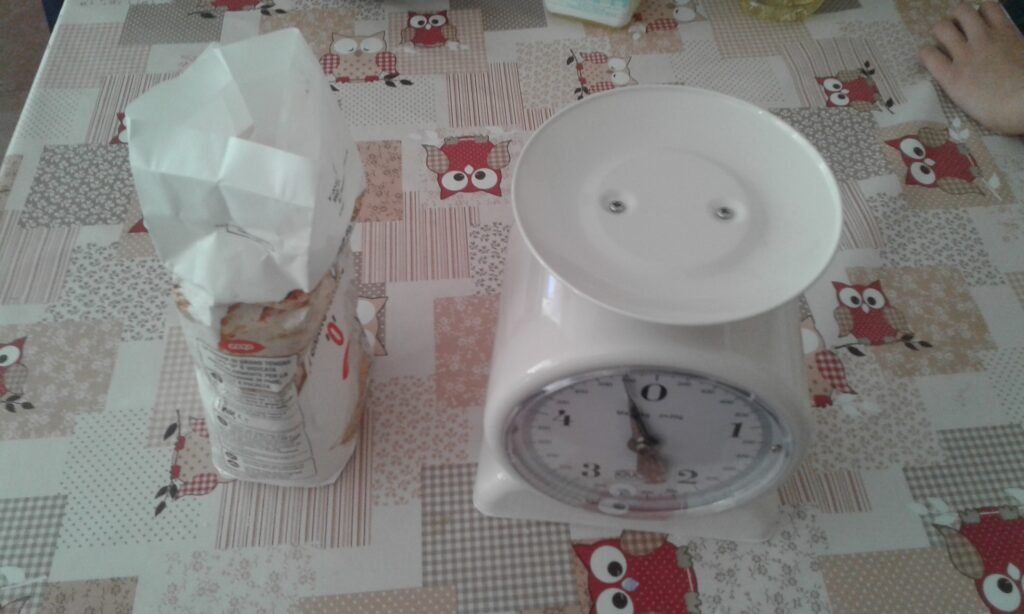
Portion control is the practice of managing how much food is served or consumed at a given meal or snack, used both as a weight management strategy and as a broader tool for balanced nutrition. It is distinct from a serving size, which is a standardized reference amount used for labeling, since an actual portion eaten can be larger or smaller than the labeled serving.
Portion Size Versus Serving Size
A serving size is a standardized measurement, such as one cup or one ounce, used consistently on nutrition labels to allow comparison between products, while a portion is the actual amount of food a person chooses to eat at one time, which may contain multiple servings. Confusion between the two is common and is cited by nutrition educators as a reason some people unintentionally consume far more calories than they realize, since a single restaurant entree or packaged snack can easily contain two or three labeled servings presented as one portion.
Research on Portion Size Effects
Behavioral nutrition research has consistently found that people tend to eat more when served larger portions, a phenomenon called the portion size effect, regardless of hunger level, meaning plate and package size can influence intake independently of appetite. Studies on plate size specifically have shown that smaller plates can modestly reduce the amount of food people serve themselves, though researchers note the effect is inconsistent across different settings and does not work as a reliable strategy on its own without broader behavior change.
Practical Strategies
Common portion control strategies include using visual references, such as comparing a protein portion to the size of a deck of cards or a fist-sized portion of vegetables, pre-portioning snacks into smaller containers rather than eating from a large bag, and reading nutrition labels carefully to understand how many servings a package actually contains. Dietitians often recommend portion control alongside, rather than instead of, attention to food quality, since controlling portions of a nutrient-poor food does not address the underlying nutritional value of what is being eaten in the first place.
Cultural and Commercial Influences
Restaurant and packaged food portion sizes have grown substantially over recent decades in many countries, a trend researchers link to rising average calorie intake, since larger standard portions shift what people perceive as a normal amount of food to eat at one sitting. Some public health campaigns have specifically targeted portion size growth, encouraging smaller default serving sizes, clearer labeling, and consumer education, framing the issue as a product design and food environment concern rather than solely a matter of individual self-control.
Portion Control in Clinical Settings
Portion control plays a particularly important role in managing conditions like diabetes and chronic kidney disease, where consistent and controlled carbohydrate or protein intake per meal can directly affect blood sugar stability or kidney workload. Dietitians working with these patients often use standardized portion measurement tools, including food scales and measuring cups, during an initial education period to help patients develop an accurate internal sense of portion size before relying more on visual estimation alone.
Children and Portion Development
Pediatric nutrition researchers caution against overly rigid portion control with young children, since forcing a child to finish a portion regardless of fullness cues can interfere with the development of natural appetite regulation, a different concern from the adult-focused portion research on calorie intake and weight management. Instead, many pediatric guidelines recommend offering age-appropriate portions and letting children self-regulate within that offered amount, treating portion size as a starting point for the meal rather than a fixed quantity a child must consume entirely.
Portion Distortion Over Time
Nutrition researchers use the term portion distortion to describe how perceptions of a normal serving size have shifted upward over recent decades, documented through comparisons of historical recipe cards, package sizes, and restaurant menu items against their modern equivalents, which are often two to five times larger for the same dish category than versions served decades earlier. This shift matters because perceived normal portion size strongly influences how much an individual serves themselves even in their own home, independent of any specific packaged or restaurant item.
Food marketing researchers have also studied how plate color and shape beyond simple size can subtly influence perceived portion adequacy, finding that color contrast between food and plate affects how much food people serve themselves, adding another layer of complexity to portion control strategies beyond plate size alone.
Restaurant and food service portion standardization remains an area public health advocates continue to push for voluntary industry adoption, arguing that modest, deliberate reductions in default serving sizes across an entire market could measurably shift population-level calorie intake without requiring any single consumer to consciously resist a larger offered portion.
Workplace cafeterias and institutional dining halls have experimented with default smaller portion options paired with an easy opt-in for a larger size, a choice-architecture approach that research suggests can meaningfully reduce average calorie intake without removing any individual’s freedom to choose a larger portion if they genuinely want one.
Dietitians working with clients on long-term portion awareness often emphasize mindful eating practices, such as slowing down and paying attention to fullness cues during a meal, as a complement to visual portion guides, since internal hunger signals ultimately matter more for sustainable behavior change than any external measuring tool used in isolation.
Recognizing when portion size itself, rather than food choice, is driving excess intake is often the first practical insight that helps someone make sustainable adjustments without feeling they must give up favorite foods entirely.
Key facts
- A serving size is standardized, while a portion is the actual amount eaten.nThe portion size effect shows people eat more when served larger amounts.nSmaller plates can modestly reduce self-served portions.nRestaurant and packaged portion sizes have grown substantially over recent decades.
Quick checkWhat is the difference between a serving size and a portion?Show answer
A serving size is a standardized label measurement, while a portion is the actual amount of food a person eats, which can contain multiple servings.
Sources
- Academy of Nutrition and Dietetics, National Institutes of Health portion research
Editorially reviewed by Specialty Digest Editorial TeamLast reviewed November 3, 2026Researched and drafted with AI assistanceReport an issue