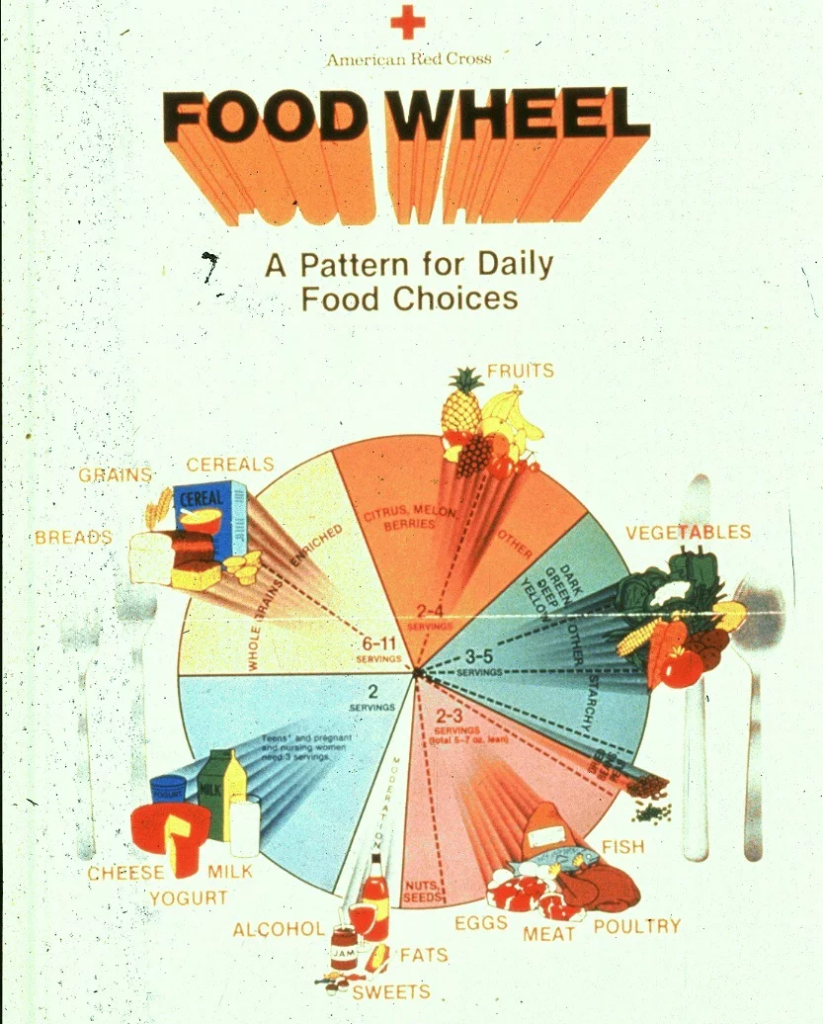
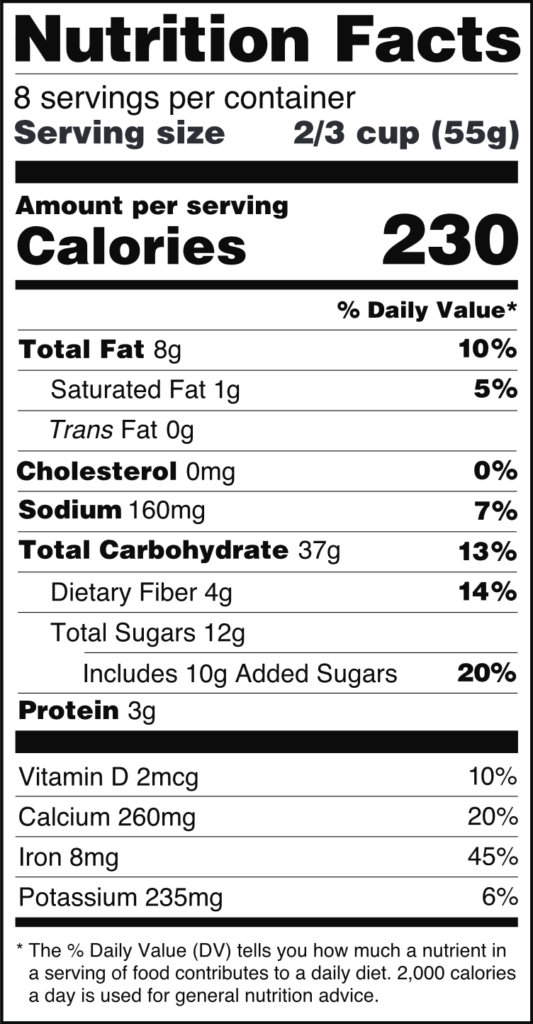
Dietary guidelines are official, government-issued recommendations describing what and how much a population should eat to maintain health and reduce chronic disease risk. Most countries publish their own version, revised periodically as nutrition science advances, and the guidelines shape everything from school lunch programs to food labeling requirements. The U.S. Dietary Guidelines The United States
Dietary Guidelines Read More »
Official government recommendations describing what and how much a population should eat to maintain health.
An elimination diet is a structured, short-term dietary approach that removes specific foods suspected of causing adverse reactions, then reintroduces them one at a time to identify which, if any, trigger symptoms. It is primarily a diagnostic tool used under medical or dietitian supervision rather than a long-term eating pattern. How It Works The elimination
Elimination Diet Read More »
A structured diagnostic diet that removes suspected trigger foods, then reintroduces them one at a time to identify reactions.
The food pyramid is a graphic representation of recommended daily food group proportions, once the primary visual tool for communicating nutrition guidance before being replaced by alternative formats in several countries. First introduced by Sweden in 1974 and adopted prominently by the United States Department of Agriculture in 1992, the pyramid organized food groups by
Food Pyramid Read More »
A graphic nutrition tool, popularized by the USDA in 1992, representing recommended food group proportions as a pyramid.
The glycemic index ranks carbohydrate-containing foods by how quickly and how much they raise blood glucose levels after eating, compared to a reference food, usually pure glucose or white bread, scored at 100. Foods are generally classified as low, medium, or high glycemic index, a distinction used in diabetes management and broader dietary planning. How
Glycemic Index Read More »
A ranking of carbohydrate-containing foods by how quickly they raise blood glucose compared to a reference food.
Meal planning is the practice of deciding in advance what meals will be prepared and eaten over a given period, typically a week, and organizing shopping and preparation around that plan. The practice is used both by individuals managing household budgets and time, and by dietitians helping clients meet specific nutritional or medical goals. Common
Meal Planning Read More »
The practice of deciding meals in advance over a set period and organizing shopping and preparation accordingly.
Nutrient density describes the amount of beneficial nutrients, vitamins, minerals, protein, and fiber, an ingredient provides relative to its calorie content, distinguishing foods that deliver substantial nutritional value per calorie from those that provide calories with comparatively little nutritional benefit. The concept underlies much modern dietary guidance, which increasingly emphasizes nutrient-dense choices over simple calorie
Nutrient Density Read More »
A measure of the beneficial nutrients a food provides relative to its calorie content.
Nutrition labeling is the regulated practice of printing standardized nutritional information on packaged food, allowing consumers to compare products and make informed dietary decisions. Most countries require some form of nutrition label by law, though the exact format, required nutrients, and serving size rules vary considerably by jurisdiction. The Nutrition Facts Label In the United
Nutrition Labeling Read More »
The regulated practice of printing standardized nutritional information on packaged food to support informed consumer choice.
A plant-based diet emphasizes foods derived from plants, vegetables, fruits, whole grains, legumes, nuts, and seeds, while minimizing or excluding animal products to varying degrees depending on the specific version followed. The term covers a spectrum from diets that simply emphasize plant foods while still including some meat or dairy, to strict veganism that excludes
Plant-Based Diet Read More »
A dietary pattern emphasizing plant foods while minimizing or excluding animal products to varying degrees.
Portion control is the practice of managing how much food is served or consumed at a given meal or snack, used both as a weight management strategy and as a broader tool for balanced nutrition. It is distinct from a serving size, which is a standardized reference amount used for labeling, since an actual portion
Portion Control Read More »
The practice of managing how much food is served or consumed at a meal or snack, distinct from a labeled serving size.
A registered dietitian is a credentialed nutrition professional who has completed accredited academic coursework, a supervised practice program, and a national certification exam, qualifying them to provide individualized nutrition assessment, medical nutrition therapy, and dietary counseling. The credential is legally regulated in many countries, distinguishing registered dietitians from the broader, often unregulated use of the
Registered Dietitian Read More »
A credentialed nutrition professional qualified through accredited education, supervised practice, and a national exam to provide medical nutrition therapy.