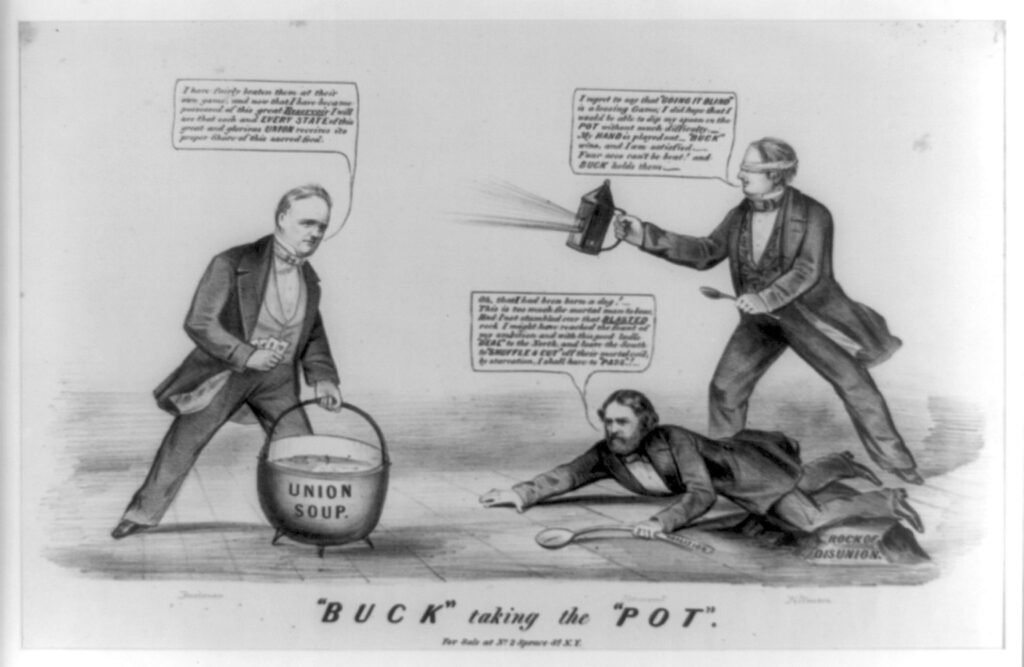
Satire is a literary mode that uses humor, irony, exaggeration, or ridicule to criticize and expose the foolishness, vice, or corruption of individuals, institutions, or society at large, typically with the underlying aim of provoking reform or at least sharpening the audience’s awareness of a problem rather than simply entertaining for its own sake. Satire can appear across nearly every literary form, including poetry, prose fiction, drama, essays, and, in more recent periods, journalism, cartoons, and television.
The tradition traces back to ancient Rome, where poets such as Horace and Juvenal developed two influential but distinct satirical styles that later critics continue to use as reference points. Horatian satire tends to be gentle, witty, and good-humored, poking fun at human folly in a way that invites the audience to laugh along rather than recoil, while Juvenalian satire is sharper and more indignant, aiming savage, often bitter criticism at serious moral or political corruption. Most later satirical works, from newspaper columns to television sketches, can be placed somewhere along this spectrum between Horatian warmth and Juvenalian severity.
Techniques of Satire
Satirists rely on a recognizable set of techniques to achieve their effects. Exaggeration and caricature take a real trait, behavior, or situation and inflate it to an absurd degree, making its underlying flaw impossible to ignore. Irony allows a satirist to say one thing while meaning something close to the opposite, inviting the audience to notice the gap between surface statement and intended meaning. Parody closely imitates the style or conventions of a particular work, genre, or figure in order to mock it, while juxtaposition places incongruous elements side by side to expose a contradiction or absurdity that might otherwise go unnoticed by a casual, inattentive observer.
Major Works and Targets
Jonathan Swift’s A Modest Proposal is frequently cited as one of the most effective examples of sustained Juvenalian satire in English, using a calm, reasonable-sounding narrator who proposes an outrageous, deliberately shocking solution to Irish poverty in order to expose the real cruelty and indifference of British policy toward Ireland. George Orwell’s Animal Farm uses an extended allegorical fable about farm animals to satirize the betrayal of revolutionary ideals in the Soviet Union, while eighteenth-century works such as Swift’s Gulliver’s Travels satirize human nature and political institutions more broadly through a traveler’s encounters with a series of fantastical societies, each exaggerating a different flaw in European civilization for comic and critical effect. Political satire, found in editorial cartoons, late-night television, and online media, remains one of the most visible and widely consumed forms of satire anywhere in the present day, typically targeting specific politicians, policies, or current events as they unfold in the news cycle.
The Risks and Limits of Satire
Because satire depends on an audience correctly recognizing irony or exaggeration as such, it carries a persistent risk of being misread as a sincere statement of the very position it intends to mock, particularly when it circulates outside its original context, audience, or cultural moment. Satirists and societies have also long debated where the legitimate boundaries of satire lie, especially when satirical works target vulnerable groups rather than the powerful, or when legal and cultural restrictions on free expression limit what satirists can safely say about those in power, a tension that has shaped the practice and reception of satire across very different political systems and historical periods.
Earlier Roots and Satire Beyond Rome
Although Horace and Juvenal gave Roman satire its name and lasting reputation, satirical impulses appear well before and beyond the Roman tradition. The Greek playwright Aristophanes wrote comic dramas in the fifth century BCE that mocked prominent politicians, philosophers, and the Athenian war policy of his own day, using exaggerated stage caricature and absurd plots to make pointed political arguments under the cover of comedy. Satirical traditions also developed independently in other literary cultures, including classical Chinese and Arabic literature, where writers used wit, fable, and exaggerated character types to criticize corrupt officials, hypocritical religious figures, and social pretension within their own very different literary conventions.
Satire has also repeatedly tested the limits of what a given society will tolerate from its critics. Rulers and institutions have periodically responded to sharp satire with censorship, exile, or worse, and many satirists throughout history have relied on indirection, allegory, coded language, or publishing anonymously under a pseudonym to criticize the powerful while reducing their personal risk of retaliation. This long history of friction between satirists and authority is part of why satire is often treated as a distinctly political as well as literary mode, closely tied to the specific freedoms and dangers of speaking critically within a given society at a given time.
FAQs
What is the difference between Horatian and Juvenalian satire?
Horatian satire is gentle and good-humored, while Juvenalian satire is sharper and more indignant, aiming severe criticism at serious moral or political corruption.
What techniques do satirists commonly use?
Exaggeration and caricature, irony, parody, and juxtaposition, all aimed at exposing a flaw or absurdity the satirist wants the audience to notice.
What is A Modest Proposal satirizing?
Jonathan Swift uses a calm, reasonable-sounding narrator proposing an outrageous solution to Irish poverty to expose the real cruelty of British policy toward Ireland.
What risk does satire face in being misunderstood?
Because satire depends on audiences recognizing irony or exaggeration, it risks being misread as a sincere statement of the very position it intends to mock.
Key facts
- Horatian satire is gentle and witty; Juvenalian satire is sharp and indignant.
- Common techniques include exaggeration, irony, parody, and juxtaposition.
- Jonathan Swift's A Modest Proposal is a famous example of Juvenalian satire.
- Aristophanes used comic drama to satirize Athenian politics centuries before Rome's satirists.
Quick checkWhat distinguishes Horatian satire from Juvenalian satire?Show answer
Horatian satire is gentle, witty, and good-humored, poking fun at human folly, while Juvenalian satire is sharper and more indignant, aiming severe criticism at serious moral or political corruption.
Sources
- Encyclopaedia Britannica, 'satire'
- Jonathan Swift, A Modest Proposal
- George Orwell, Animal Farm
Editorially reviewed by Specialty Digest Editorial TeamLast reviewed November 2, 2026Researched and drafted with AI assistanceReport an issue