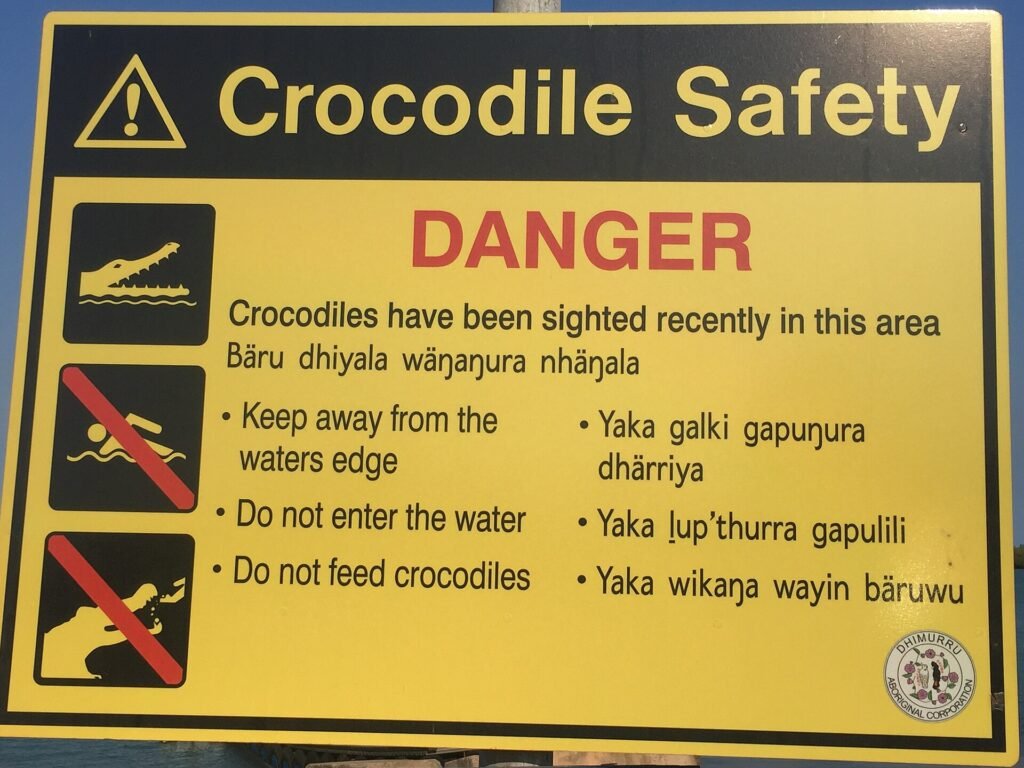
In simple terms A language is endangered when the community that speaks it has begun passing a more dominant language to its children. Speaker numbers are the symptom. The break in transmission is the condition itself. Ethnologue, published by SIL Global, counts 3,226 endangered languages in its 2026 edition, about 44 percent of the languages
Endangered language Read More »
An endangered language is one whose community has begun passing a more dominant language to its children instead.
In simple terms Epistemology is the branch of philosophy that asks what knowledge is, where it comes from, and how far it reaches. The name joins two Greek words: episteme, which can be translated as knowledge, understanding or acquaintance, and logos, which can be translated as account, argument or reason. [1] The label is only
Epistemology Read More »
Epistemology is the branch of philosophy that studies knowledge: what it is, where it comes from and how much of it we can have.
In simple terms A first language is the language a person acquires in childhood as a member of a speech community. It is also called a mother tongue or native language, and linguists write it as L1, with languages learned later as L2. The label describes how a language was learned, not how well someone
First language Read More »
A first language is the language a person acquires in childhood as a member of a speech community.
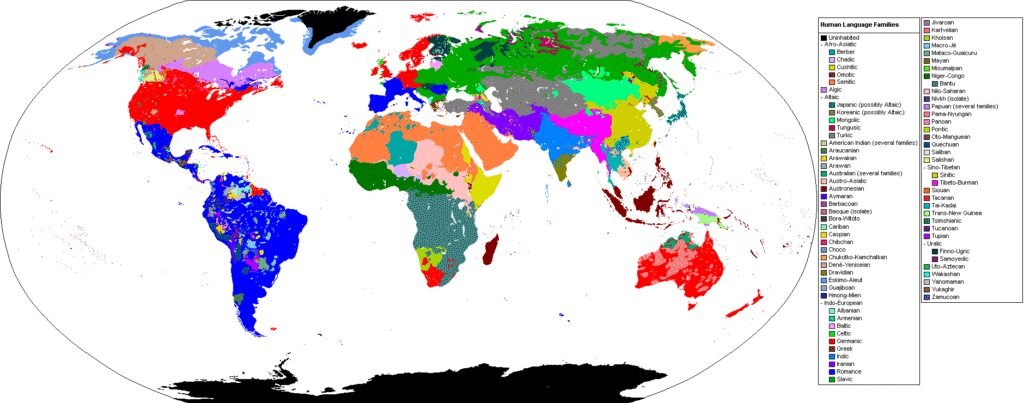
In simple terms A language family is a group of languages that all descend from one earlier language. Membership is a claim about history: these languages are relatives, not just neighbors that borrowed words from each other. Glottolog, an academic catalogue of the world’s languages, sorts the 7,674 spoken first languages it listed as of
Language family Read More »
A language family is a group of languages that all descend from a single earlier ancestor language.
In simple terms A metaphor describes one thing as though it were another, so the qualities of the second carry over to the first. Calling a stubborn problem a wall, or a sharp remark a blade, is metaphor at work: the problem is not masonry and the remark is not steel, but the comparison says
Metaphor Read More »
A metaphor describes one thing as though it were another, transferring its qualities, without using like, as or than.
In simple terms A morpheme is the smallest meaningful unit in a language’s grammar. Cut a word into pieces smaller than its morphemes and the pieces stop meaning anything, which is what separates a morpheme from a syllable. Unladylike has four syllables but three morphemes: un- (not), lady (a female adult human) and -like (having
Morpheme Read More »
A morpheme is the smallest meaningful unit in a language, such as dog, the prefix un- or the plural ending -s.
In simple terms Occam’s razor says that when two explanations account for the same evidence, the one assuming less is usually the better bet. It is not a law of nature. It is a working preference, a way of deciding where to start when the evidence alone cannot separate two ideas. How it works Philosophers
Occam’s razor Read More »
Occam's razor is the rule of thumb that when two explanations fit the evidence equally well, you should prefer the one assuming less.
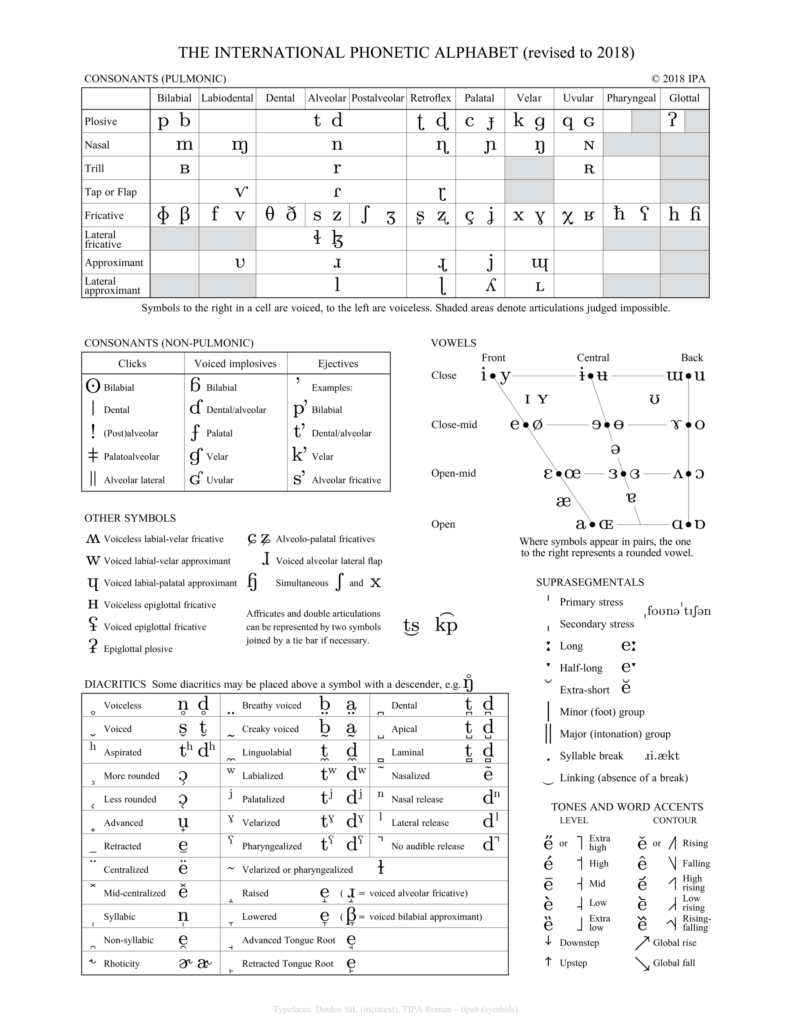
In simple terms A phoneme is the smallest unit of sound that can change a word’s meaning in a particular language. SIL Global’s Glossary of Linguistic Terms calls it the smallest contrastive unit in a language’s sound system, and contrastive is the whole point: swap one phoneme and you have a different word. English rip
Phoneme Read More »
A phoneme is the smallest unit of sound that can change the meaning of a word in a particular language.
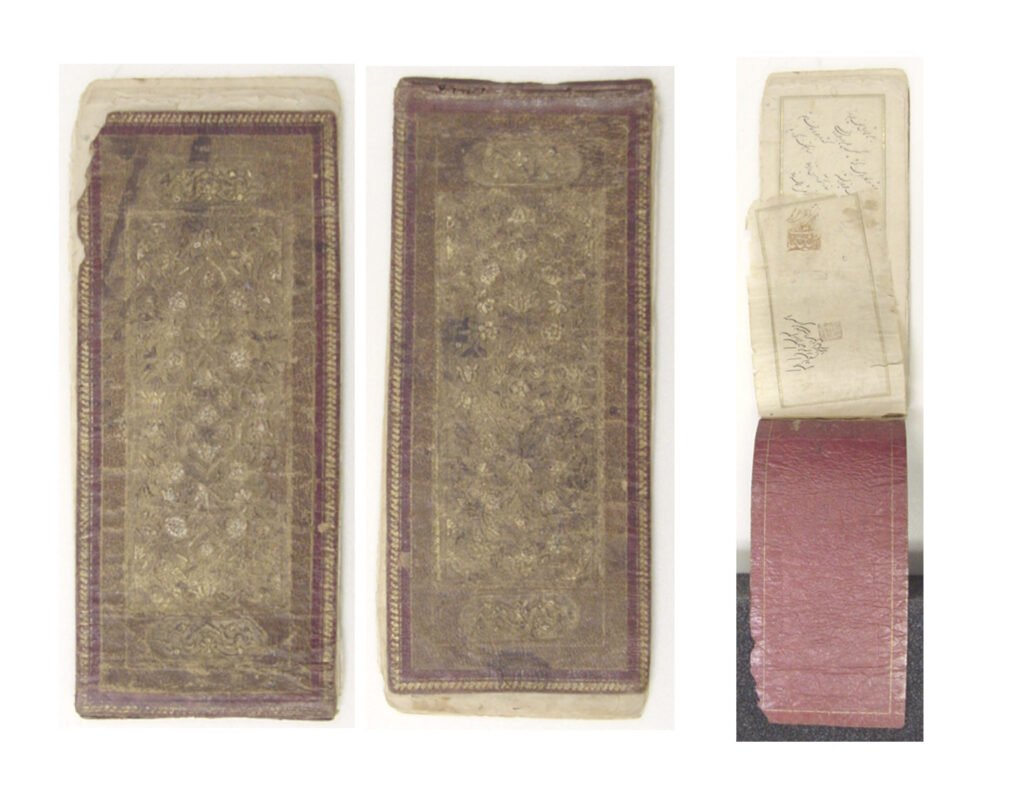
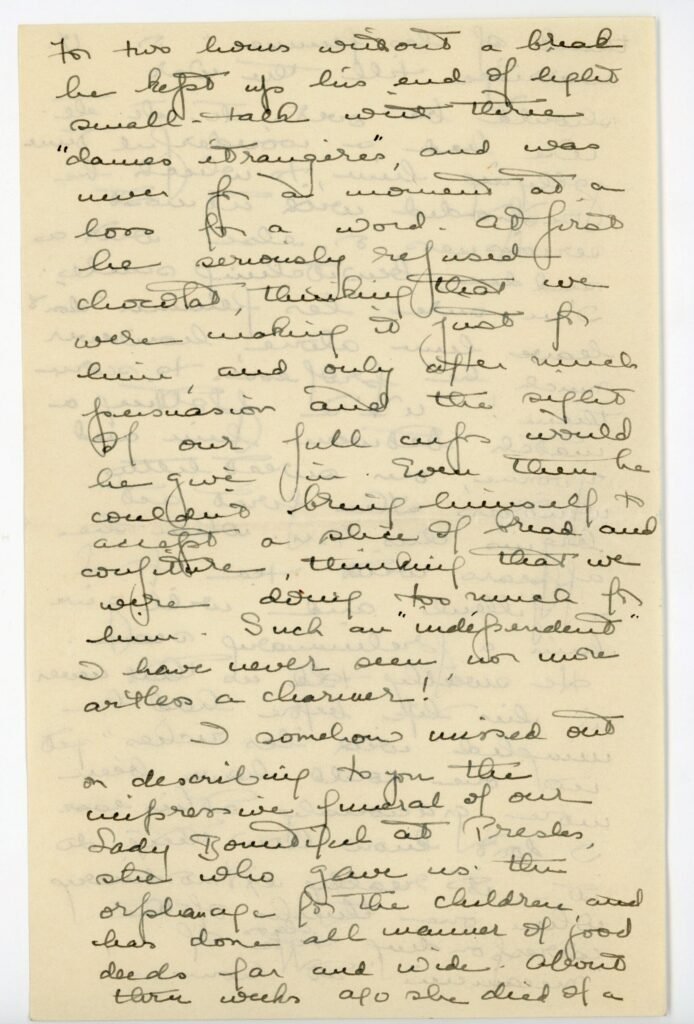
In simple terms A primary source is firsthand evidence created at the time of an event, or recalled later by someone who was there. A letter, a birth register, a photograph, a court transcript and an oral history interview are all primary sources. Nothing stands between the event and the record, which is why researchers
Primary source Read More »
A primary source is firsthand evidence from the time of an event, such as a letter, photograph, register or eyewitness account.
In simple terms Radiocarbon dating estimates how long ago something that was once alive stopped taking in carbon. Living plants and animals absorb carbon that includes a trace of carbon-14, a radioactive form of the element. When the organism dies the intake stops, the carbon-14 decays at a fixed rate, and the amount left behind
Radiocarbon dating Read More »
Radiocarbon dating estimates the age of once-living material by measuring how much of its radioactive carbon-14 has decayed.