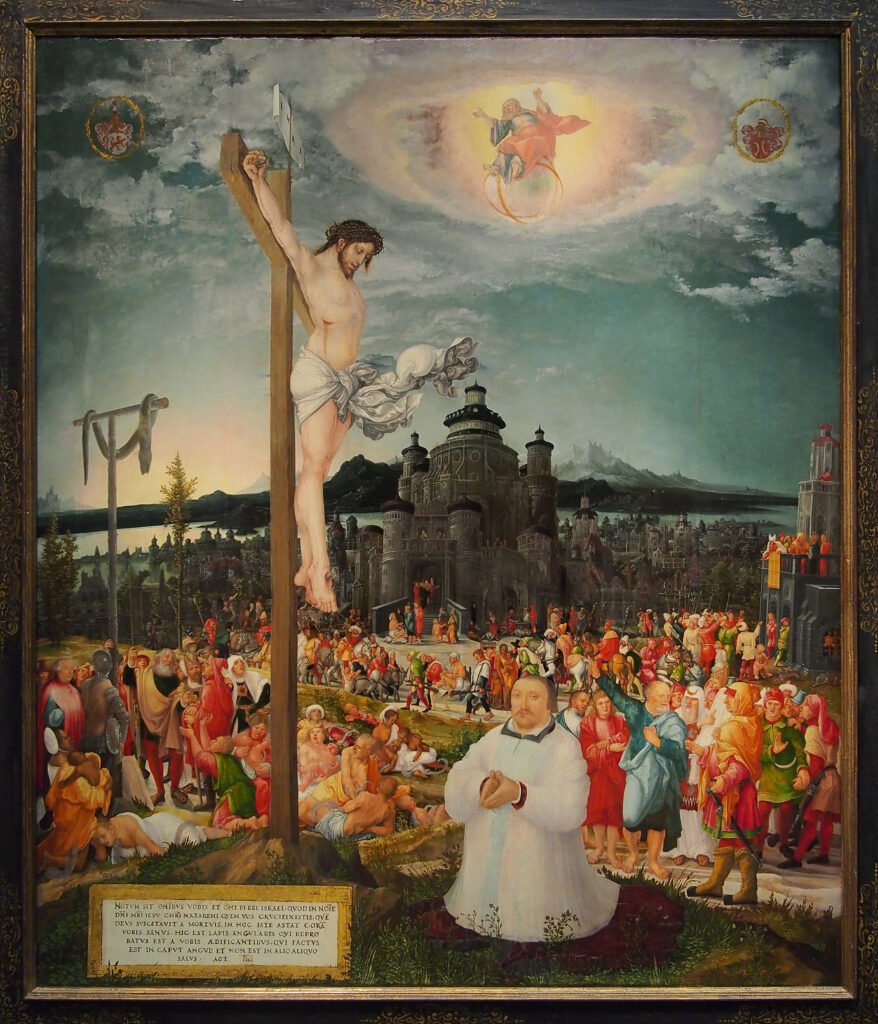
Overview
Soteriology is the branch of theology concerned with the doctrine of salvation, examining how a particular religious tradition understands liberation from sin, suffering, or spiritual ignorance. The term derives from Greek roots meaning the study of salvation, and soteriological questions sit at the heart of many religious traditions core teaching.
Models of Salvation
Religious traditions propose markedly different models of how salvation or liberation is achieved, ranging from frameworks centered on divine grace freely given regardless of human merit to those emphasizing right action, ethical conduct, or ritual observance as necessary conditions. Still other traditions frame liberation primarily in terms of insight or awakening rather than salvation from sin in a theistic sense.
Debates Within Traditions
Even within a single religious tradition, soteriology has frequently been a site of significant internal debate, as communities work out the relative roles of divine action and human effort, faith and works, or ritual and ethical practice in achieving salvation. These debates have historically contributed to major theological divisions and reform movements.
Soteriology and Ethics
How a tradition understands salvation often shapes its broader ethical teaching, since beliefs about what is required for liberation directly influence how believers are instructed to live. Traditions emphasizing grace alone may still teach that genuine faith naturally produces ethical transformation, illustrating the close connection between soteriology and lived religious practice.
Role Today
Soteriological questions remain central to theological education and interfaith dialogue, as different traditions seek to articulate and sometimes compare their understanding of ultimate liberation. These questions also carry significant personal weight for individual believers navigating questions of meaning, morality, and hope within their own faith tradition.
Faith and Works
A recurring soteriological debate concerns the relationship between faith and works, with some traditions emphasizing that salvation comes through faith or grace alone, while others hold that genuine faith is necessarily accompanied by and expressed through ethical action and religious practice. This debate has had major historical consequences, contributing to significant theological divisions and reform movements within several religious traditions.
Soteriology and Community
How a tradition understands salvation often shapes its communal structures as well, including the role of religious authorities, sacraments, and communal practice in mediating or supporting the individual path toward liberation. This connection between soteriology and communal life helps explain why questions of salvation are rarely treated as purely private theological matters within organized religious traditions.
Soteriology and Interfaith Dialogue
Comparing different traditions soteriological frameworks has become an important area of interfaith dialogue, as religious communities seek to understand both genuine points of convergence and significant differences in how liberation or salvation is understood and achieved. This comparative work requires careful attention to each tradition own internal logic rather than assuming shared categories apply equally across traditions.
Personal Experience of Salvation
For many believers, soteriology is not merely an abstract doctrine but a matter of deeply personal experience, often described in terms of transformation, assurance, or a renewed sense of purpose and belonging within a faith community. This personal dimension helps explain why soteriological teaching features so prominently in religious testimony, preaching, and devotional literature.
Closing Thoughts
Soteriology continues to sit at the heart of religious self-understanding across traditions, shaping not only formal doctrine but the lived hope and ethical orientation of believers seeking liberation from suffering, sin, or ignorance in whatever form their tradition describes it.
Few doctrines carry as much personal weight for individual believers navigating questions of ultimate meaning and hope.
Soteriology and Ritual Practice
Many traditions embed their understanding of salvation directly into ritual practice, such that participation in specific rites is understood not merely as symbolic but as an actual means through which believers appropriate or experience the liberation their tradition describes.
That ritual dimension helps explain why soteriology and sacramental practice are so often closely intertwined within many traditions.
Final Considerations
Soteriology continues to anchor some of the most consequential debates within religious communities, touching directly on how believers understand their own standing and hope within the larger framework of their faith.
This centrality ensures soteriology remains one of the most carefully studied and personally significant areas of theological reflection.
That significance keeps soteriology central to theological study worldwide.
Soteriology and Comparative Study
Comparative study of soteriology across traditions has grown considerably as scholars and practitioners seek to understand both genuine convergence and meaningful difference in how liberation is conceived, pursued, and experienced across the world major religious traditions.
That comparative insight helps scholars and practitioners alike better appreciate both the distinctiveness and the shared human concerns underlying different soteriological frameworks.
Soteriology and Personal Testimony
Personal accounts of transformation and renewed hope frequently accompany formal soteriological teaching, grounding abstract doctrine in the concrete, lived experience of individual believers across many different traditions and communities.
That grounding in lived experience keeps soteriological teaching meaningful well beyond abstract doctrinal statements alone.
Summary of Enduring Significance
Soteriology continues to anchor some of the deepest personal hopes believers hold, remaining a vital and continually revisited area of theological reflection across traditions worldwide.
Its reach continues growing steadily across generations of believers worldwide, reinforcing its central place in theological study.
Closing Note
These enduring questions keep soteriology a vibrant field of study for both scholars and everyday believers navigating their own spiritual path.
Steady growth continues in nearly every corner of the world today, keeping this field of study genuinely active.
Growth keeps continuing steadily across many communities worldwide today still.
Growth holds steady year after year, a pattern worth continued attention.
It holds firm year after year.
Key facts
- Array
Quick checkHow do different religious traditions typically understand the means of salvation or liberation?Show answer
Religious traditions differ considerably in how they understand the path to salvation or liberation, with some emphasizing divine grace freely given regardless of human merit, others emphasizing right action, ritual observance, or ethical conduct, and still others, particularly within certain Eastern traditions, emphasizing direct insight or awakening rather than salvation in a strictly theistic sense.
Sources
- Array
Editorially reviewed by Specialty Digest Editorial TeamLast reviewed November 4, 2026Researched and drafted with AI assistanceReport an issue