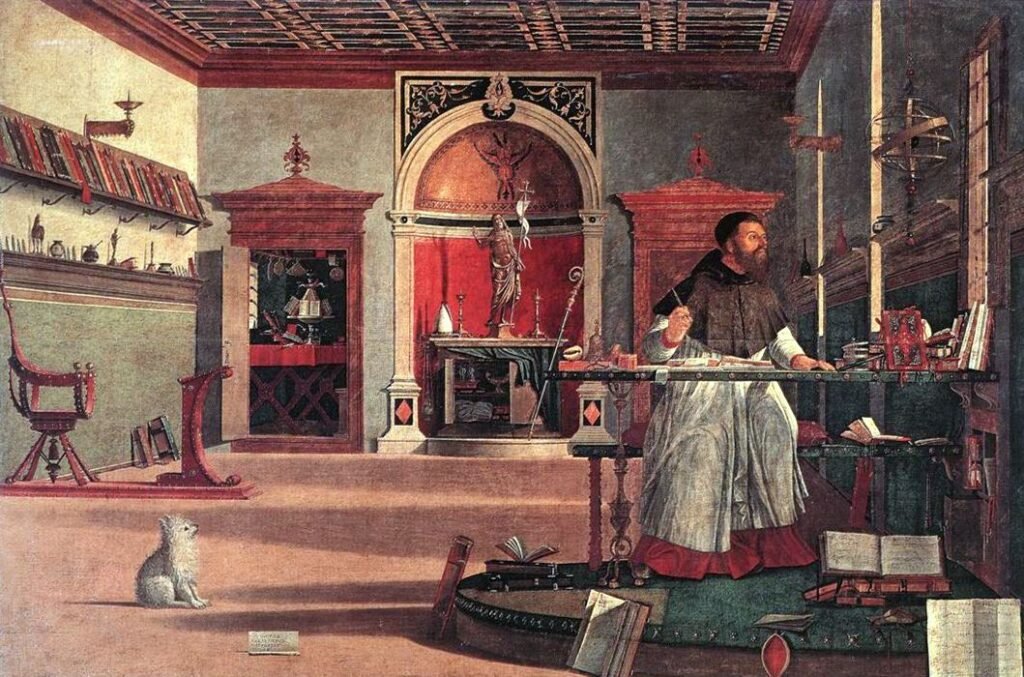
Overview
Theology is the systematic study of the nature of the divine, religious belief, and the relationship between humanity and the sacred, typically carried out from within the framework of a particular religious tradition. The term derives from Greek roots meaning the study of God, though theological inquiry today spans a wide range of traditions well beyond its origins in Christian scholarship.
Major Branches
Theology encompasses several subfields, including systematic theology, which organizes religious teaching into a coherent framework, moral theology, which addresses ethical questions from a religious perspective, and historical theology, which traces the development of doctrine over time. Comparative theology additionally examines how different religious traditions approach similar questions.
Methods and Sources
Theologians typically draw on sacred texts, tradition, reason, and in many frameworks personal or communal religious experience as sources for their work, weighing these sources differently depending on the tradition in question. Debates over how to balance these sources, and how much weight to give each, have historically produced significant internal diversity within many religious traditions.
Relationship to Religious Studies
Theology is often distinguished from the broader academic field of religious studies, which approaches religion comparatively and historically without necessarily affirming the truth claims of any tradition under study. In university settings, the two fields sometimes operate as distinct departments, though many scholars move fluidly between theological and religious studies methods.
Role Today
Contemporary theology continues to address new questions raised by science, pluralism, and social change, while remaining rooted in the texts and traditions that originally shaped each religious community. Academic theology remains a vital field of study at universities and seminaries worldwide, training religious leaders and scholars alike.
Theology and Scripture
Across most traditions, theology begins with close engagement with sacred texts, treating scripture as a primary source for understanding divine nature and human obligation even as interpretive methods vary widely between traditions and individual scholars. The discipline of textual interpretation, often called hermeneutics, has developed its own extensive body of theory addressing how ancient religious texts should be read and applied in changing historical circumstances.
Theology in Dialogue
Modern theology increasingly engages with philosophy, science, and other religious traditions, producing fields such as philosophical theology and interfaith theological dialogue that examine shared and divergent questions across different belief systems. This dialogical turn reflects a broader recognition among theologians that religious communities today rarely exist in isolation from other traditions and worldviews.
Training Theologians
Theological education traditionally takes place in seminaries, divinity schools, and university departments, where students study sacred texts, historical doctrine, languages, and methods of interpretation alongside practical training for religious leadership. This formal training reflects the expectation that theology, while open to lay reflection, also requires disciplined, sustained study to be practiced responsibly at a professional level.
Public Theology
Some theologians work explicitly at the intersection of religious belief and broader public questions, applying theological reasoning to issues such as social justice, environmental responsibility, and political ethics in ways intended to engage audiences beyond their own religious community. This strand of theology, sometimes called public theology, illustrates how theological reflection can extend well beyond internal denominational concerns.
Theology and Science
Relationships between theology and the natural sciences have ranged from open conflict to active collaboration, with many contemporary theologians seeking ways to engage scientific findings about the origins and structure of the universe without abandoning core theological commitments. Fields such as theology of nature and science-religion dialogue have grown considerably as scholars work through these questions in a careful and sustained way.
Closing Perspective
Theology, whether practiced within a seminary, a congregation, or an individual believer own reflection, remains a vital discipline for articulating what a religious community holds to be true about the divine and humanity place within a larger order of meaning. Its continued vitality across so many traditions and centuries reflects a persistent human desire to understand and respond thoughtfully to ultimate questions.
Few disciplines ask such consequential questions with such sustained seriousness across so many centuries of human thought and practice.
Theology in Everyday Life
While often associated with academic study, theology also shapes the everyday thinking of ordinary believers as they work through questions of meaning, suffering, and moral obligation in light of their faith, often without ever using the formal vocabulary of professional theologians. This lived, popular theology operates alongside and sometimes in tension with more formal academic approaches, each shaping the other over time within a religious community broader life.
That popular dimension of theology ensures the discipline remains connected to the actual concerns of everyday religious life rather than becoming purely academic in character.
Final Considerations
As religious communities continue to navigate rapid social and technological change, theology continues adapting its methods and questions while remaining anchored to the core texts and traditions that originally gave each discipline its shape and purpose.
Universities and seminaries around the world continue training new generations of theologians equipped to carry this work forward into unfamiliar territory.
That ongoing work keeps theology a living, responsive discipline rather than a fixed body of settled conclusions.
That collaborative, multi-generational effort is ultimately what keeps theology relevant to each new era it encounters.
Readers encountering theology for the first time often come to appreciate how practical, rather than purely abstract, its central questions really are.
That practical relevance is often the surest path to genuine, lasting engagement with the discipline.
That clarity benefits new students greatly.
Its reach keeps growing steadily.
Interest keeps rising steadily each year.
Steady growth continues each year.
Growth continues.
Key facts
- Array
Quick checkHow does theology differ from the broader academic field of religious studies?Show answer
Theology is generally practiced from within a particular faith tradition, often with the aim of deepening or defending that tradition understanding of the divine, while religious studies approaches religion from a comparative, historical, or social-scientific standpoint without necessarily affirming any particular tradition claims, though in practice the two fields frequently overlap and inform one another.
Sources
- Array
Editorially reviewed by Specialty Digest Editorial TeamLast reviewed November 4, 2026Researched and drafted with AI assistanceReport an issue