Overview Athletic administration involves overseeing the operational, financial, and strategic aspects of an athletic program, most commonly within schools, colleges, or community sport organizations, requiring administrators to balance competitive athletic goals against the broader educational or organizational mission they serve. Core Responsibilities Administrators typically manage budgets, hire and supervise coaching staff, coordinate competition schedules, and
Athletic Administration Read More »
The management of athletic programs, including staffing, budgeting, compliance, and strategic oversight within schools, colleges, or sports organizations.
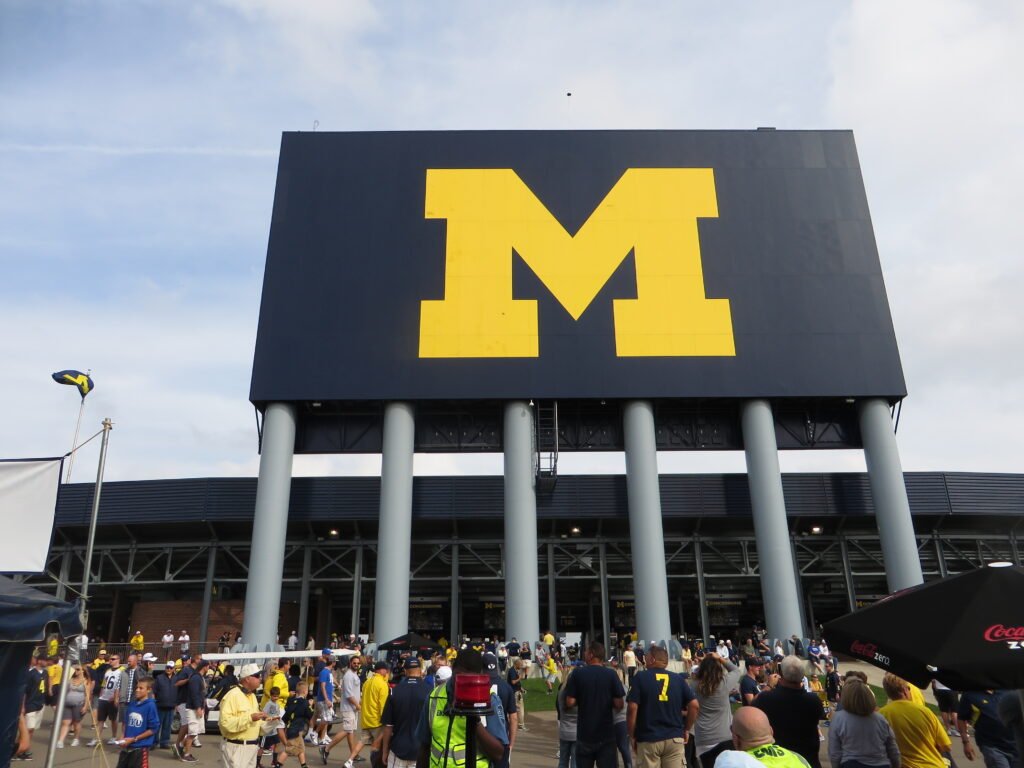
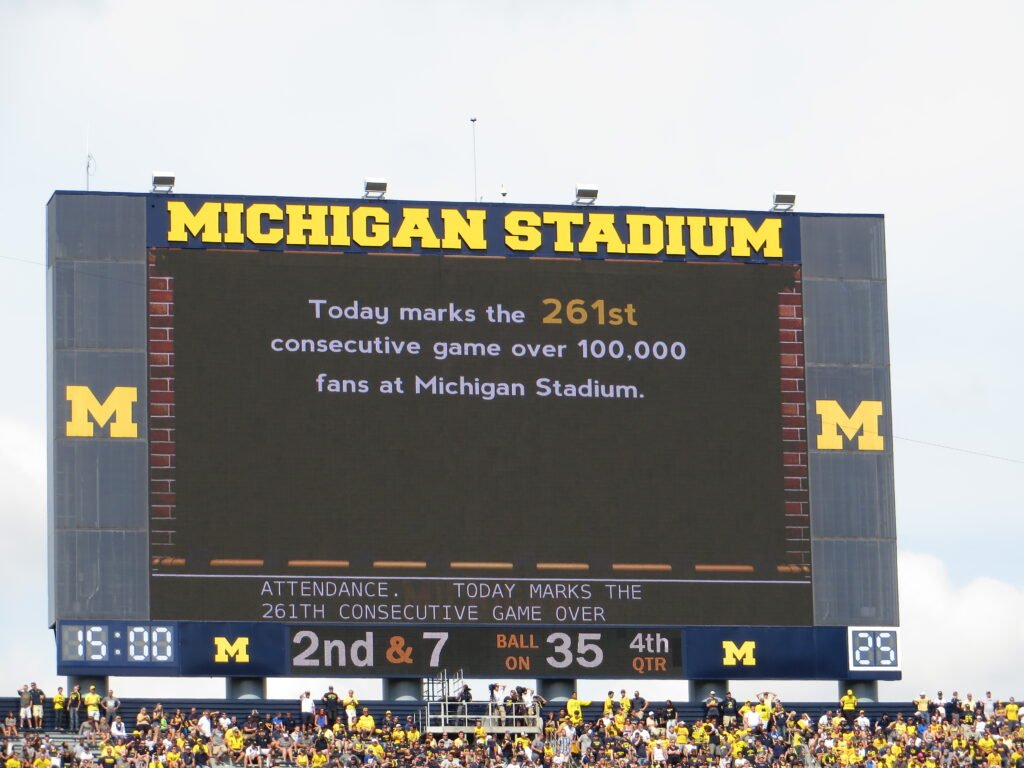
Overview Collegiate athletics administration involves managing sports programs within the specific context of higher education, where athletic departments must balance competitive ambitions against academic eligibility standards and the broader educational mission of the college or university they represent. Financial Structure At many institutions, revenue generated by prominent sports helps subsidize the costs of smaller athletic
Collegiate Athletics Administration Read More »
The management of sports programs within colleges and universities, balancing competitive, academic, and financial considerations.
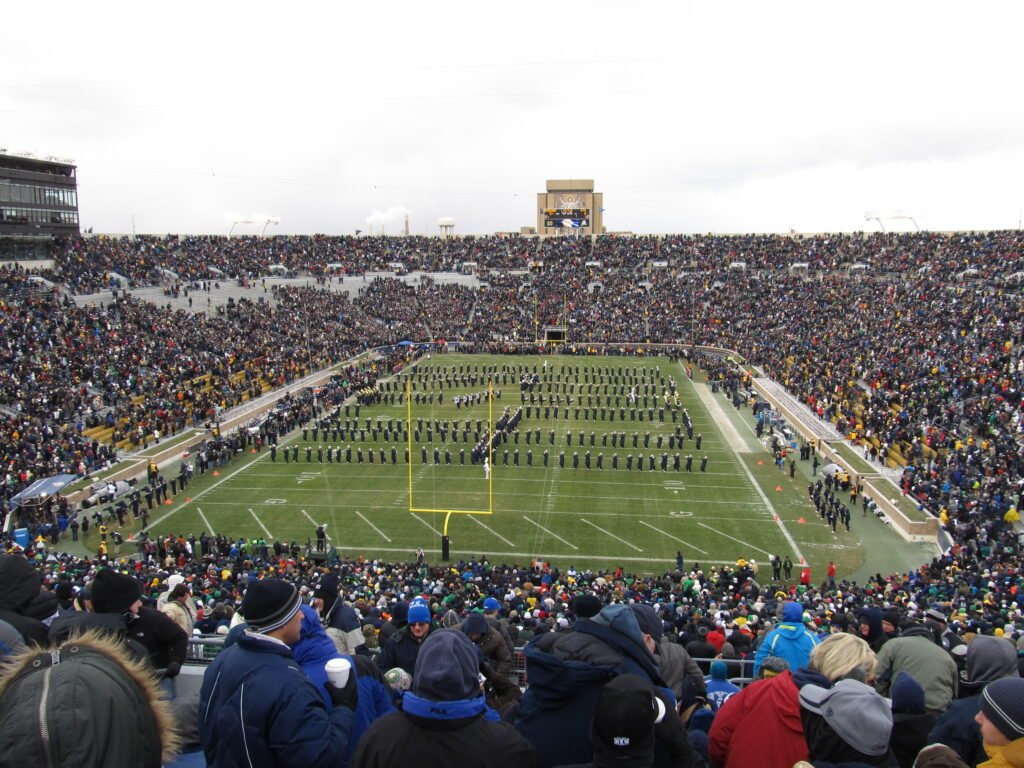
Overview Facility management in sport covers the full range of activities needed to keep stadiums, arenas, and training venues safe, functional, and financially viable, spanning everything from field and turf maintenance to ticketing systems, concessions, and emergency planning for large crowds. Operational Priorities Facility managers must balance the often-competing demands of athlete safety, spectator experience,
Facility Management in Sport Read More »
The planning, operation, and maintenance of stadiums, arenas, and other venues used for sporting events and activities.
Overview Sport event management encompasses the planning and execution of athletic competitions at every scale, from a single local youth tournament to a major international championship involving thousands of athletes, officials, and spectators across multiple venues. Core Planning Elements Event managers coordinate scheduling, venue logistics, staffing, ticketing, security, and transportation, often working years in advance
Sport Event Management Read More »
The planning, coordination, and execution of sporting competitions and events, from local tournaments to major international championships.
Overview Sport finance examines how teams, leagues, and sporting organizations generate revenue and manage expenses, drawing on general financial and economic principles while accounting for the unique characteristics of sport, such as fluctuating fan demand and the outsized financial importance of broadcasting deals. Major Revenue Streams Professional sports organizations typically rely on a mix of
Sport Finance Read More »
The study and management of revenue, expenses, and financial strategy within sports organizations, teams, and events.
Overview Sport marketing involves promoting teams, leagues, athletes, and events to build fan engagement, drive ticket and merchandise sales, and attract sponsorship revenue, drawing on consumer psychology principles while leaning heavily on the emotional identity fans often form with a team or athlete. Core Activities Practitioners manage ticket sales campaigns, social media content, licensed merchandise
Sport Marketing Read More »
The strategic promotion of sports teams, leagues, and events to attract fans, sponsors, and media attention.
Overview Sport sponsorship involves a company providing financial or in-kind support to a team, league, event, or individual athlete in exchange for marketing rights such as logo placement, naming rights, or official partner status, forming a core revenue stream across professional and amateur sport alike. Types of Sponsorship Deals Arrangements range from large-scale stadium naming
Sport Sponsorship Read More »
A business arrangement in which a company provides funding or resources to a sports team, event, or athlete in exchange for brand exposure and marketing rights.
Overview Sports broadcasting rights are the legal permissions to televise or stream a sporting event or competition, typically sold by leagues, federations, or event organizers to television networks and, increasingly, streaming platforms, often for sums reaching into the billions of dollars for the largest properties. Why Rights Command High Value Live sport retains uniquely strong
Sports Broadcasting Rights Read More »
The legal rights to televise or stream sporting events, often sold by leagues or event organizers to media companies for substantial sums.
Overview Sports governance refers to the organizations, rules, and oversight structures that regulate how sport is conducted, ranging from local club bylaws to international federations that set rules for an entire global sport, each operating with its own degree of authority and accountability. Key Governance Functions Governing bodies typically oversee rule-making, athlete eligibility and classification,
Sports Governance Read More »
The systems of rules, organizations, and oversight structures that regulate how sports are organized, administered, and held accountable.
Overview Sports law and compliance covers the legal frameworks governing contracts between athletes and organizations, labor relations in professional leagues, intellectual property protection for team brands and broadcasts, and liability concerns arising from injuries or safety failures within sporting activities. Key Legal Areas Major areas within sports law include player contracts and labor agreements, antitrust
Sports Law and Compliance Read More »
The body of legal rules and regulatory requirements governing contracts, eligibility, safety, and conduct within organized sport.