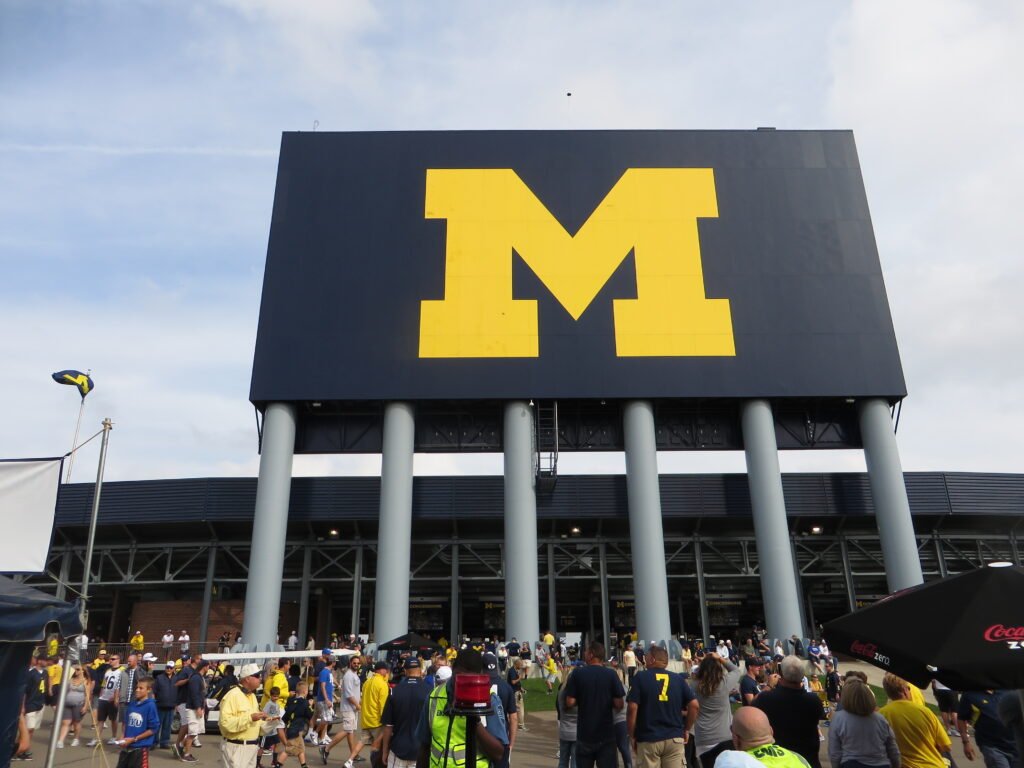
Overview
Collegiate athletics administration involves managing sports programs within the specific context of higher education, where athletic departments must balance competitive ambitions against academic eligibility standards and the broader educational mission of the college or university they represent.
Financial Structure
At many institutions, revenue generated by prominent sports helps subsidize the costs of smaller athletic programs that generate little revenue on their own, creating a financial interdependence across an athletic department that administrators must manage carefully.
Regulatory Environment
Collegiate athletics operates under rules set by governing bodies covering areas such as recruiting practices, athlete eligibility, and compensation, with these rules evolving considerably in recent years as debates over athlete compensation and transfer rules have reshaped the collegiate sports landscape.
The Transfer Portal and Compensation Shifts
Recent changes allowing college athletes to transfer between institutions more freely and to receive compensation for their name, image, and likeness have significantly reshaped collegiate athletics administration, requiring administrators to adapt recruiting, roster planning, and compliance practices to a rapidly evolving regulatory environment.
Balancing Competing Stakeholders
Collegiate athletics administrators must balance the interests of coaches, student-athletes, academic faculty, and institutional leadership, each of whom may have different priorities regarding how athletic programs should be run and resourced within the broader university structure.
Facility and Infrastructure Investment
Many universities have invested heavily in athletic facility upgrades to remain competitive in recruiting, a trend that has drawn scrutiny from critics who question whether such spending aligns with the core academic mission of higher education institutions.
Academic Support Services
Collegiate athletic departments typically maintain dedicated academic support services for student-athletes, helping them manage the demands of competition schedules alongside coursework, recognizing that athletic eligibility rules generally require maintaining adequate academic progress toward a degree.
Conference Realignment Pressures
Shifting conference alignments driven largely by broadcasting revenue considerations have reshaped travel demands and traditional rivalries for many collegiate athletic programs, requiring administrators to adapt scheduling and travel logistics to increasingly geographically dispersed conference memberships.
Mental Health and Student-Athlete Wellbeing
Growing attention to student-athlete mental health has led many collegiate athletic departments to expand counseling and wellness resources specifically tailored to the unique pressures athletes face balancing competition, travel, and academic demands simultaneously.
Title IX Compliance in College Sport
Collegiate athletic departments must demonstrate compliance with gender equity requirements across participation opportunities, scholarships, and resource allocation, an ongoing administrative responsibility that requires careful tracking and periodic review across every sport sponsored by the institution.
Facility Scheduling at Scale
Larger athletic departments managing dozens of varsity teams face substantial facility and travel scheduling complexity, often employing dedicated staff whose primary responsibility is coordinating the competing demands of practice time, competition travel, and shared facility access across the entire department.
Coach Contract Negotiations
Collegiate athletic administrators frequently negotiate complex coaching contracts involving performance bonuses, buyout clauses, and media rights provisions, requiring financial and legal expertise well beyond what simpler employment agreements in other university departments typically demand.
Recruiting Compliance Oversight
Collegiate athletic departments maintain dedicated compliance staff specifically focused on monitoring recruiting activities, ensuring coaches and programs follow detailed rules governing permissible contact with prospective student-athletes throughout the recruiting process.
Facility Naming and Donor Recognition
Many collegiate athletic facilities carry donor or sponsor names secured through substantial financial contributions, requiring administrators to balance fundraising benefits against maintaining appropriate institutional standards for which entities receive such prominent recognition.
Closing Perspective
Collegiate athletics administration continues to navigate a rapidly changing regulatory and financial landscape, requiring administrators to balance competitive, academic, and athlete-welfare priorities amid ongoing structural change.
Programs that adapt thoughtfully to these changes tend to remain both competitive and sustainable over the long run.
Balancing Tradition and Change
Collegiate athletics administrators often must balance deeply held fan and alumni traditions against necessary modernization, recognizing that while change is sometimes essential for financial or competitive reasons, moving too quickly without regard for an institution history can alienate exactly the community support the program depends upon.
Looking Ahead
As compensation and transfer rules continue evolving, collegiate athletics administration will likely keep adapting its practices considerably over the coming years as the broader collegiate sports landscape keeps shifting.
Few administrative roles in higher education carry this much public visibility and scrutiny.
That visibility keeps the role both demanding and consequential for the institutions these administrators serve.
Administrators who adapt thoughtfully to ongoing changes tend to keep their programs both competitive and institutionally respected.
This adaptability has become one of the clearest markers of a well-run modern athletic department.
Looking forward, programs that invest in transparent communication with their communities tend to maintain stronger support through inevitable periods of change.
That communication, sustained consistently over time, remains one of the most underrated tools available to collegiate athletic leadership.
Few tools remain as consistently underused as patient, transparent communication.
Sustained attention to communication remains the clearest path toward lasting institutional support.
It will likely remain essential as collegiate athletics continues its rapid evolution.
Few other investments pay dividends across quite so many stakeholder groups at once.
That broad payoff explains why thoughtful communication remains a hallmark of well-regarded athletic programs.
Programs that practice this consistently tend to retain stronger community backing through difficult seasons.
This consistency ultimately matters more to long-term program health than any single season outcome.
Programs that get this right tend to thrive even amid ongoing structural upheaval across collegiate sport, and administrators who master this balance tend to build the longest, most successful careers in the field.
Ultimately, the institutions that treat athletics as an integral part of their broader educational mission, rather than a separate enterprise, tend to navigate change most successfully.
Key facts
- Array
Quick checkWhat must collegiate athletics administrators balance alongside competitiveness?Show answer
Academic eligibility requirements and the broader educational mission of the institution.
Sources
- Array
Editorially reviewed by Specialty Digest Editorial TeamLast reviewed November 4, 2026Researched and drafted with AI assistanceReport an issue