Tailoring Protocols to Patient Risk
Veterinary anesthesia requires careful protocol selection tailored to each patient’s species, age, breed, and underlying health status, since a drug combination well-tolerated by a healthy young dog might pose significant risk to an elderly cat with kidney disease or a brachycephalic breed with airway challenges. Pre-anesthetic evaluation, typically including a physical examination and bloodwork to screen for organ dysfunction, helps veterinarians identify these risk factors in advance and adjust drug choices, dosages, and monitoring intensity accordingly, a practice that has become standard across most veterinary hospitals performing elective and emergency procedures alike.
Continuous Monitoring During Procedures
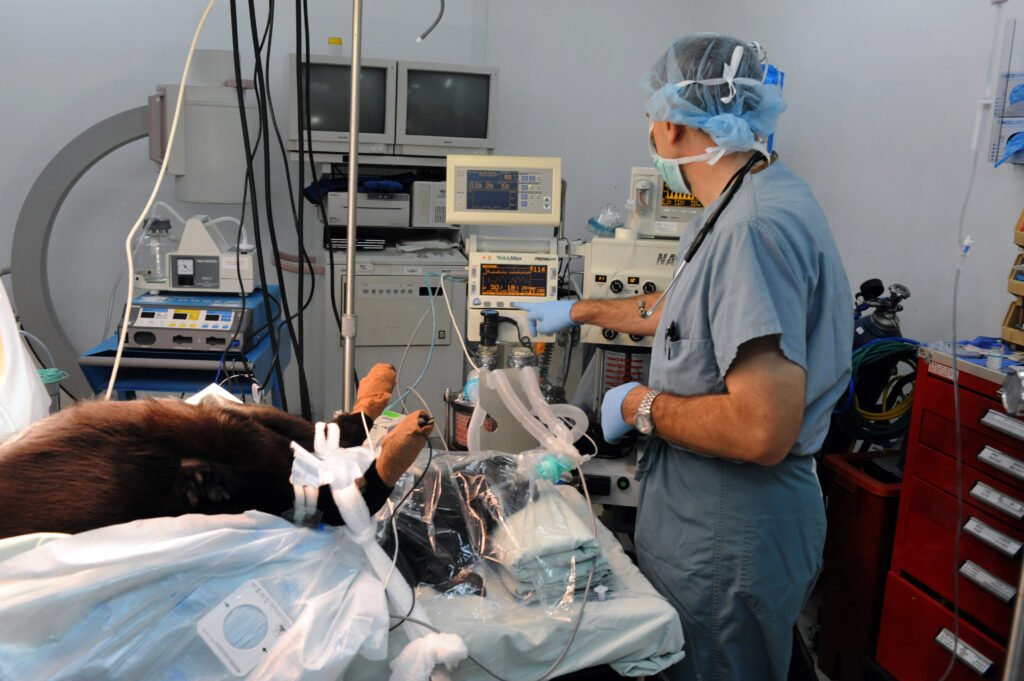
Throughout an anesthetic procedure, veterinary staff continuously monitor vital parameters including heart rate, blood pressure, oxygen saturation, and body temperature, since an anesthetized animal cannot report distress and subtle physiological changes can signal developing complications before they become critical. Modern veterinary hospitals increasingly use the same multi-parameter monitoring equipment found in human hospitals, adapted for the vital sign ranges and sensor placements appropriate to different animal species and sizes.
Recovery as a Critical Phase
The recovery period immediately following anesthesia carries its own distinct risks, including airway obstruction as an animal regains consciousness and muscle control gradually, hypothermia from extended exposure during a lengthy procedure, and pain that must be managed proactively rather than only after an animal shows obvious distress signs. Veterinary teams increasingly recognize that careful recovery monitoring is just as important to overall anesthetic safety as the induction and maintenance phases, leading many hospitals to staff dedicated recovery monitoring separate from the surgical team’s attention during the procedure itself.
Species-Specific Anesthetic Considerations
Anesthetic protocols differ considerably across species beyond just dogs and cats, with rabbits and other small exotic mammals presenting particular challenges due to their rapid metabolism, tendency toward stress-induced complications, and smaller margin for drug dosing error, while reptiles and birds require entirely different anesthetic drugs and monitoring approaches reflecting their distinct physiology from mammals. Veterinarians treating a broad mix of species, common in general exotic animal practice, must maintain working knowledge of multiple distinct anesthetic protocols rather than a single standard approach applicable across all patients.
Local and regional anesthesia techniques, including nerve blocks that numb a specific body region without full unconsciousness, have grown in use as a way to reduce the amount of general anesthetic drug required for certain procedures, lowering overall anesthetic risk particularly in higher-risk patients.
Monitoring Technology Advances
Advances in veterinary monitoring technology, including capnography to measure exhaled carbon dioxide and pulse oximetry to track blood oxygen saturation, have given veterinary anesthesiologists far more granular real-time information about patient status than was available in earlier decades, allowing earlier detection of developing complications and more precise adjustment of anesthetic depth throughout a procedure. Many specialty and emergency hospitals now employ dedicated veterinary anesthesia technicians or board-certified anesthesiologists specifically to manage complex or high-risk cases, reflecting growing recognition of anesthesia as a specialized discipline in its own right rather than simply a routine precursor to surgery.
Pre-anesthetic fasting guidelines, historically a blanket overnight fast for all patients, have grown more nuanced in recent years, with some protocols now recommending shorter fasting periods or species-specific adjustments based on evidence that prolonged fasting can itself create complications such as low blood sugar in small or young patients.
Malignant hyperthermia and other rare but serious anesthetic complications, while uncommon, require emergency veterinary staff to recognize early warning signs quickly, since these conditions can escalate rapidly without prompt intervention during an ongoing procedure.
Chronic Pain and Long-Term Analgesic Management
Beyond procedural anesthesia, veterinary anesthesiologists and pain specialists increasingly manage chronic pain conditions such as osteoarthritis through long-term analgesic strategies combining medication, weight management, and physical therapy, reflecting growing recognition that effective pain management extends well beyond the immediate surgical or procedural context into ongoing quality-of-life care for animals with chronic conditions.
Anesthesia-related mortality rates in veterinary patients, while generally low in healthy animals undergoing routine procedures at well-equipped facilities, have been studied extensively to identify risk factors and improve safety protocols, informing continuous refinement of anesthetic guidelines published by professional veterinary anesthesia organizations.
Field anesthesia protocols for wildlife and zoo species present distinct logistical and physiological challenges compared with domestic animal anesthesia, often requiring remote drug delivery methods and rapid-acting reversal agents given the field conditions involved.
Client cost discussions around anesthesia, particularly for higher-risk patients requiring more intensive monitoring, form an important part of informed consent conversations veterinary teams have with owners before proceeding with elective procedures.
Simulation-based training using mannequins and virtual scenarios has begun supplementing traditional hands-on anesthesia training for veterinary students, allowing safe practice of emergency response skills before encountering real critical situations.
Reversal agents capable of rapidly counteracting certain anesthetic and sedative drugs provide an important safety margin, allowing veterinary teams to quickly bring a patient back toward normal consciousness if a complication develops mid-procedure.
Dental Anesthesia Protocol Standardization
Standardized anesthesia protocols specifically developed for dental procedures balance the relatively brief duration of many dental cleanings against the need for a protected airway throughout the procedure.
Temperature management during longer procedures, using warming devices to prevent hypothermia, has become a standard component of comprehensive anesthetic monitoring protocols.
Veterinary nursing staff trained specifically in anesthesia monitoring play a critical hands-on role throughout most procedures, often serving as the first to notice subtle early warning signs.
Multimodal sedation protocols reduce the overall dose of any single drug required, lowering risk while still achieving adequate patient comfort and immobility.
Key facts
- Array
Quick checkWhat pre-anesthetic steps do veterinarians typically take to reduce risk?Show answer
Veterinarians typically review a patient's health history, perform a physical exam, and often run bloodwork to identify underlying conditions that could affect anesthesia safety, then tailor the drug protocol accordingly.
Sources
- Array
Editorially reviewed by Specialty Digest Editorial TeamLast reviewed November 4, 2026Researched and drafted with AI assistanceReport an issue