Triage and Rapid Assessment Veterinary emergency medicine relies on triage, a rapid initial assessment that prioritizes patients by the severity and urgency of their condition rather than simply treating animals in the order they arrive, ensuring that a patient in immediate danger, such as one experiencing severe breathing distress or uncontrolled bleeding, receives attention before
Emergency and Critical Care Veterinary Medicine Read More »
Emergency and critical care veterinary medicine is the specialized practice of stabilizing and treating animals with acute, life-threatening conditions requiring immediate intervention.
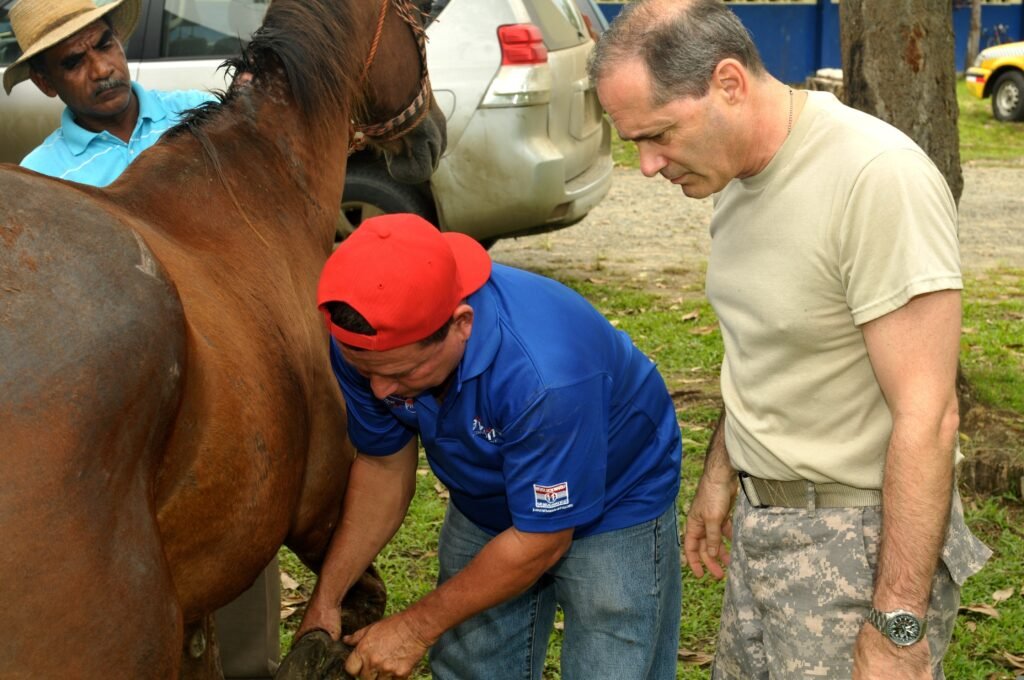
Colic as a Defining Emergency Colic, a general term for abdominal pain in horses, represents one of the most common and potentially serious emergencies equine veterinarians encounter, since the underlying cause can range from relatively mild and self-resolving gas buildup to severe conditions such as intestinal displacement or torsion that can become fatal within hours
Equine Veterinary Medicine Read More »
Equine veterinary medicine is the specialized branch of veterinary practice focused on the health, disease, and care of horses and other equids.
From Routine to Specialized Procedures The large majority of small animal surgeries performed in general veterinary practice are routine procedures such as spay and neuter operations, mass removals, and dental extractions, which most general practitioner veterinarians are trained to perform safely without requiring referral to a specialist. More complex procedures, including advanced orthopedic repairs, oncologic
Small Animal Surgery Read More »
Small animal surgery is the surgical treatment of companion animals, primarily dogs and cats, covering procedures from routine spay and neuter to complex orthopedic and soft tissue operations.
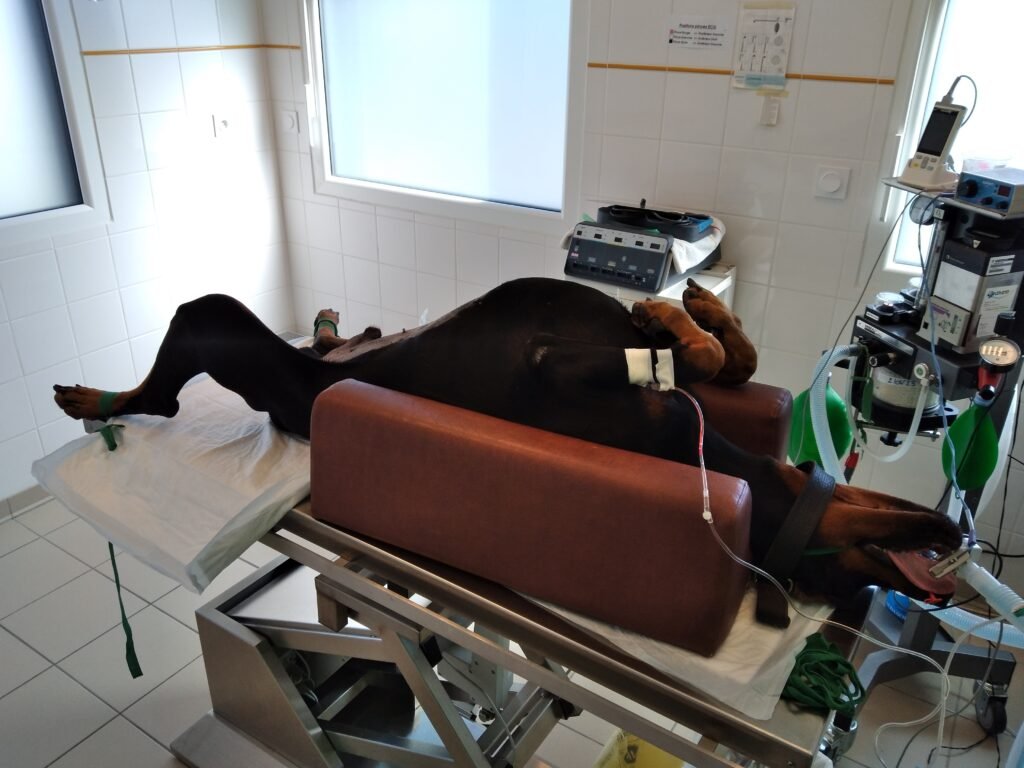
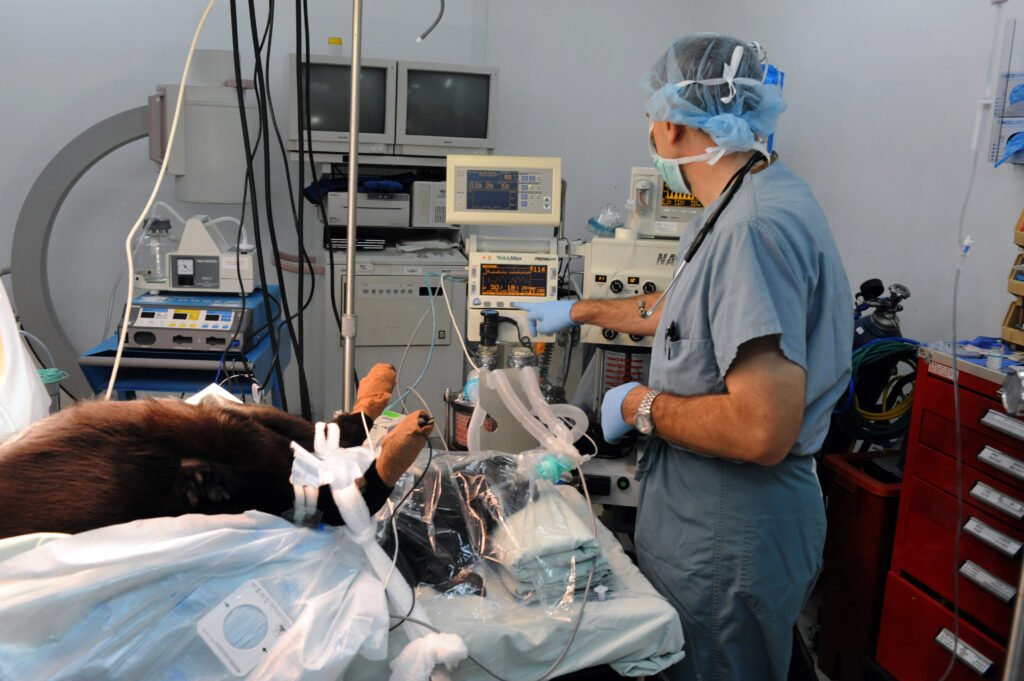
Tailoring Protocols to Patient Risk Veterinary anesthesia requires careful protocol selection tailored to each patient’s species, age, breed, and underlying health status, since a drug combination well-tolerated by a healthy young dog might pose significant risk to an elderly cat with kidney disease or a brachycephalic breed with airway challenges. Pre-anesthetic evaluation, typically including a
Veterinary Anesthesia Read More »
Veterinary anesthesia is the practice of safely inducing and maintaining unconsciousness or sedation in animal patients for surgery and other procedures.
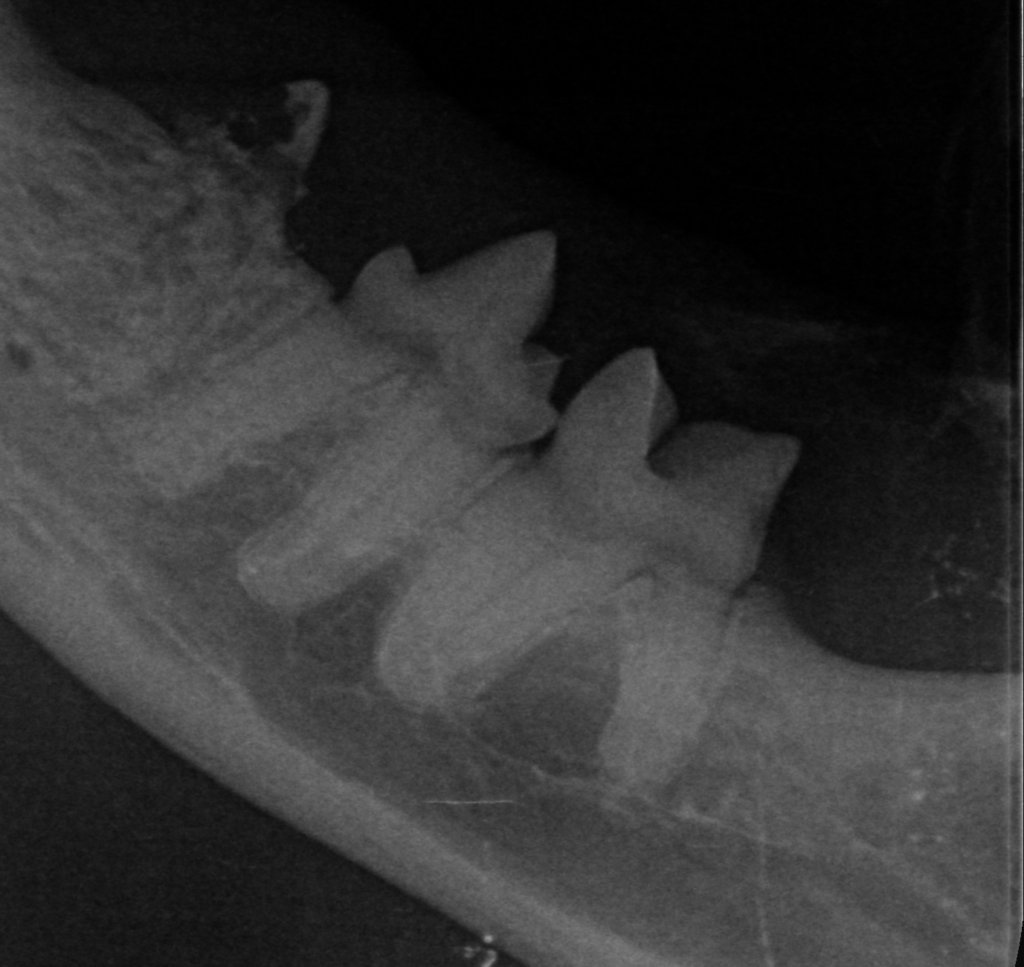
The Prevalence of Periodontal Disease Periodontal disease, inflammation and infection of the tissues supporting the teeth, affects a very large proportion of adult dogs and cats to some degree, making it among the most common conditions veterinarians encounter in companion animal practice, yet one that often goes unnoticed by owners since animals rarely show obvious
Veterinary Dentistry Read More »
Veterinary dentistry is the diagnosis, prevention, and treatment of oral and dental disease in animals, spanning routine cleanings to complex extractions and oral surgery.
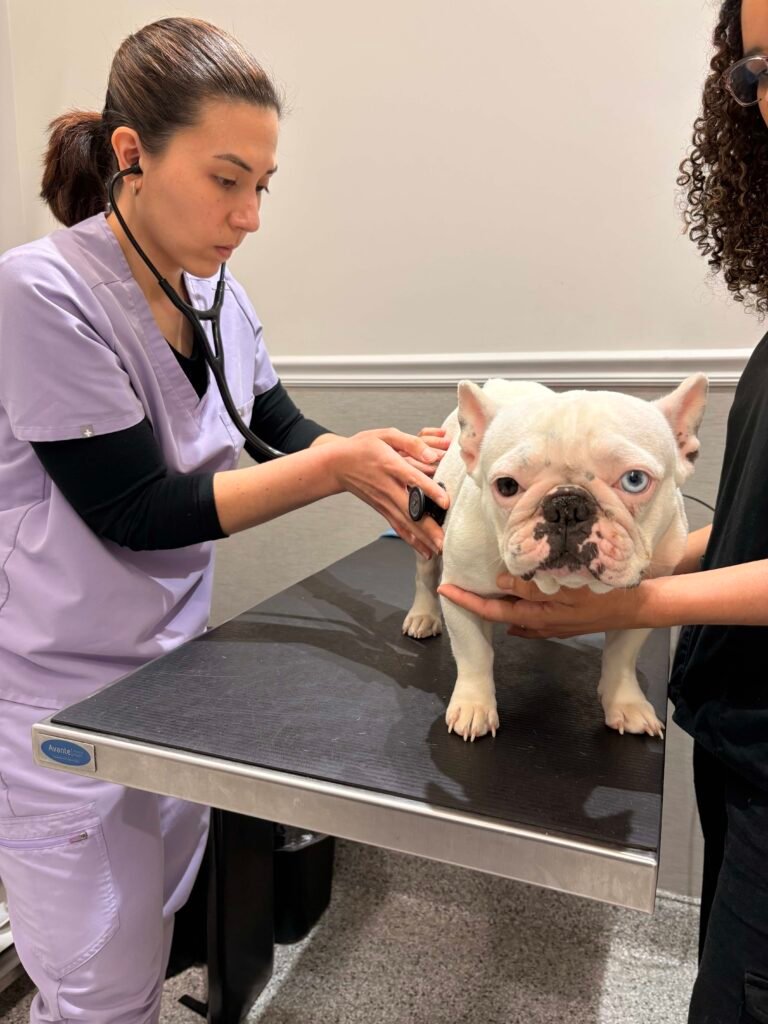
The Challenge of the Non-Verbal Patient Veterinary diagnostics faces a fundamental challenge absent from most human medicine: the patient cannot describe when or how symptoms began, where pain is located, or how a condition has progressed over time. Veterinarians must instead piece together a clinical picture from owner-reported history, which can be incomplete or inaccurate,
Veterinary Diagnostics Read More »
Veterinary diagnostics is the set of clinical tests and procedures used to identify disease and injury in animals, ranging from physical examination to advanced imaging and laboratory analysis.
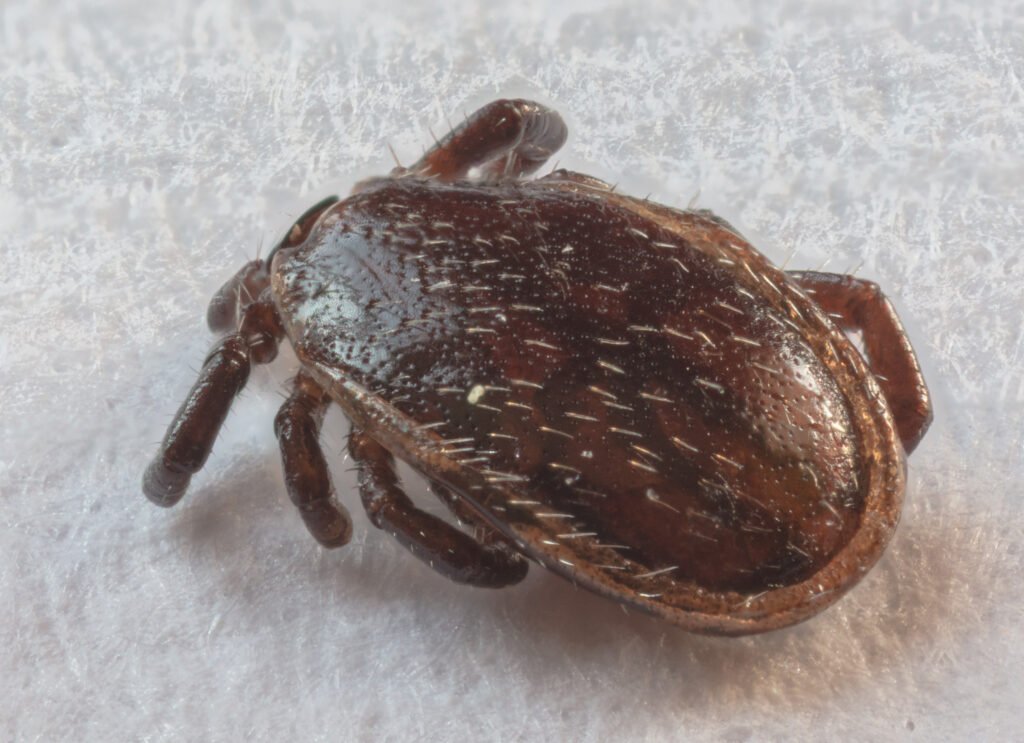
Categories of Veterinary Parasites Veterinary parasitology covers a wide range of organisms broadly divided into internal parasites, such as roundworms, tapeworms, heartworms, and protozoa, and external parasites, including fleas, ticks, and mites, each requiring different diagnostic approaches and treatment strategies. Internal parasites are typically identified through fecal examination or, for heartworm, a blood test, while
Veterinary Parasitology Read More »
Veterinary parasitology is the study and clinical management of parasitic organisms, including worms, protozoa, and external parasites, that infect domestic and wild animals.
Two Branches of the Discipline Veterinary pathology divides broadly into clinical pathology, which analyzes blood, urine, and other body fluids to assess organ function and detect abnormalities, and anatomic pathology, which examines tissue samples obtained through biopsy during life or necropsy after death to identify structural changes disease has caused. Both branches require specialized training
Veterinary Pathology Read More »
Veterinary pathology is the study of disease processes in animals through examination of tissues, organs, and body fluids, underpinning diagnosis and understanding of animal illness.
Cross-Species Metabolic Differences A central challenge in veterinary pharmacology is that drug metabolism varies substantially across animal species, driven by differences in liver enzyme activity, body composition, and physiology, meaning a dose and drug combination perfectly safe in one species can be ineffective or dangerous in another. Cats, in particular, have notably reduced activity of
Veterinary Pharmacology Read More »
Veterinary pharmacology is the study of how drugs affect animals, including dosing, metabolism, and safety considerations that differ significantly across species.
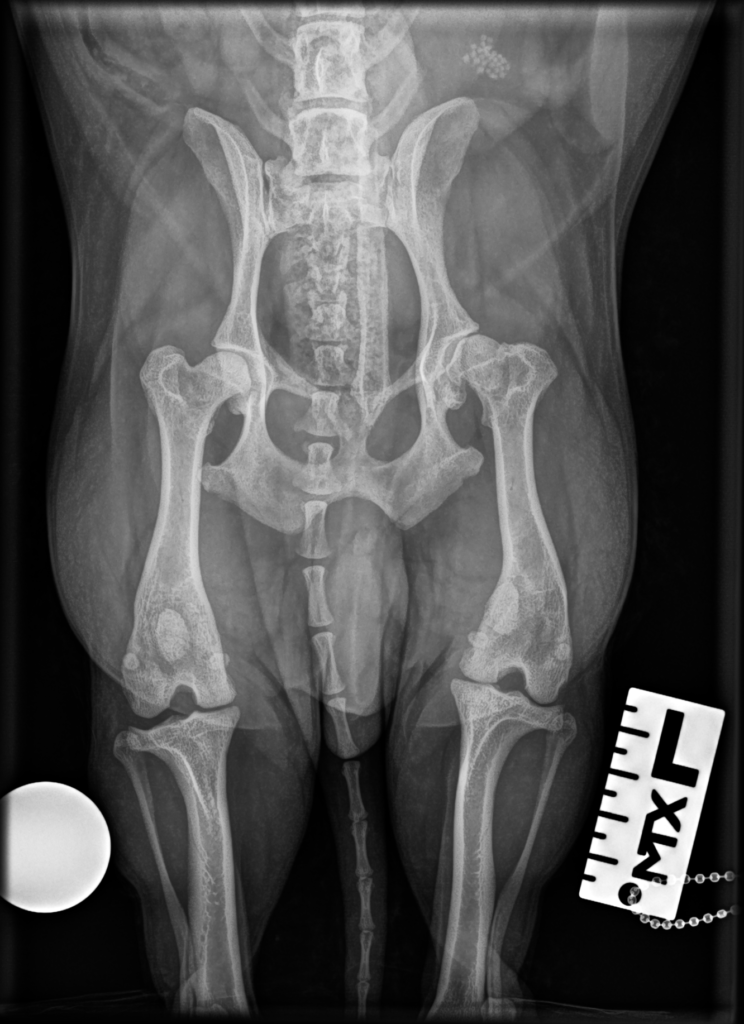
A Hierarchy of Imaging Modalities Veterinary radiology encompasses a range of imaging techniques of varying cost, availability, and diagnostic power, with conventional X-ray remaining the most widely available modality found in nearly every general practice clinic, while ultrasound, increasingly common even in general practice, provides detailed real-time views of soft tissue and abdominal organs that
Veterinary Radiology Read More »
Veterinary radiology is the use of imaging techniques including X-ray, ultrasound, CT, and MRI to diagnose disease and injury in animal patients.