Selection Indices and Multi-Trait Breeding Modern animal breeding programs typically rely on selection indices that combine multiple traits, such as growth rate, reproductive efficiency, disease resistance, and product quality, into a single composite breeding value, allowing breeders to balance competing priorities rather than optimizing for just one trait at the expense of others. These indices
Animal Breeding and Genetics Read More »
Animal breeding and genetics is the science of selecting and mating livestock to improve productivity, health, and other desired traits across successive generations.
Scope of Animal Cognition Research Animal cognition research investigates the mental capacities of non-human species, including perception, memory, learning, problem-solving, and social cognition, using experimental methods adapted from human cognitive psychology alongside species-appropriate behavioral paradigms. This research has revealed cognitive sophistication in a wide range of species, challenging earlier assumptions that complex cognition was largely
Animal Cognition and Sentience Read More »
The scientific study of animal mental capacities, including perception, learning, problem-solving, and the capacity for subjective experience, informing ethical and welfare debates.
Ruminant Versus Monogastric Digestion Animal nutrition must account for fundamental digestive differences between species, most notably the distinction between ruminants, such as cattle, sheep, and goats, whose multi-chambered stomachs host microbial fermentation capable of breaking down fibrous cellulose, and monogastric animals, including pigs and poultry, whose simpler single-chambered digestive systems require more easily digestible, energy-dense
Animal Nutrition Read More »
Animal nutrition is the science of formulating diets that meet the energy, protein, vitamin, and mineral requirements of livestock and other domesticated animals at different life stages.
Foundational Philosophical Approaches Animal rights philosophy encompasses several distinct ethical traditions examining the moral status of animals. Utilitarian approaches, most prominently associated with philosopher Peter Singer, argue that the capacity to suffer, not species membership, should determine moral consideration, concluding that practices causing substantial animal suffering for comparatively minor human benefit are difficult to justify.
Animal Rights Philosophy Read More »
The branch of ethical and political philosophy that examines whether and why animals possess moral status or entitlements that limit how humans may treat them.
Shelter System Structure Animal sheltering operates through a mix of municipal animal control agencies and private nonprofit rescue organizations, each with different mandates and funding structures. Municipal shelters often operate under open-admission policies requiring them to accept any animal from their service area, creating ongoing capacity challenges. Private rescues, by contrast, typically operate as limited-admission
Animal Shelter and Rescue Operations Read More »
The organized intake, care, and rehoming of homeless or surrendered companion animals through municipal shelters and nonprofit rescue organizations.
Foundations of Animal Protection Law Animal welfare legislation exists in some form across nearly every country, though the scope, enforcement rigor, and underlying philosophy vary enormously. Early anti-cruelty statutes, dating back to the nineteenth century in several Western countries, generally prohibited only the most egregious, intentional cruelty, while contemporary animal welfare law has expanded substantially
Animal Welfare Legislation Read More »
The body of law at national, state, and international levels establishing legal protections, minimum standards, and enforcement mechanisms for animal treatment.
Defining and Measuring Animal Welfare Animal welfare science applies rigorous empirical methods to assess the physical and psychological wellbeing of animals under human care, moving the concept of welfare from a purely philosophical or intuitive judgment toward a measurable, evidence-based discipline. Researchers in this field draw on physiology, ethology, and increasingly cognitive science to develop
Animal Welfare Science Read More »
The scientific discipline that studies and measures the physical and psychological wellbeing of animals under human care using evidence-based assessment methods.
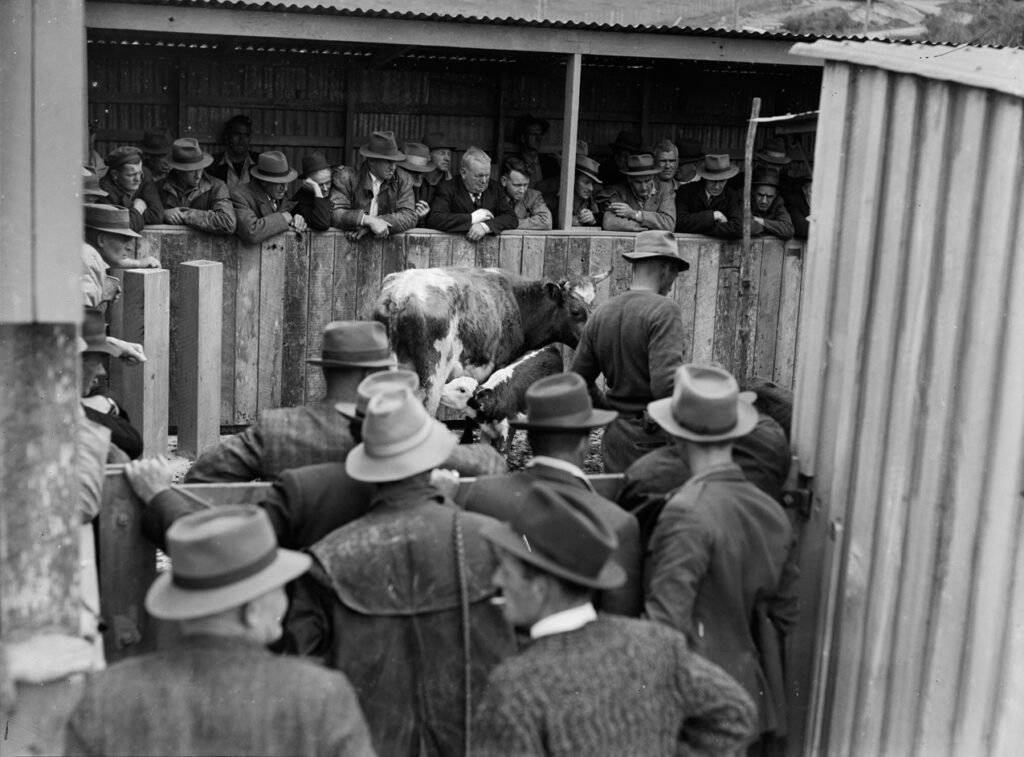
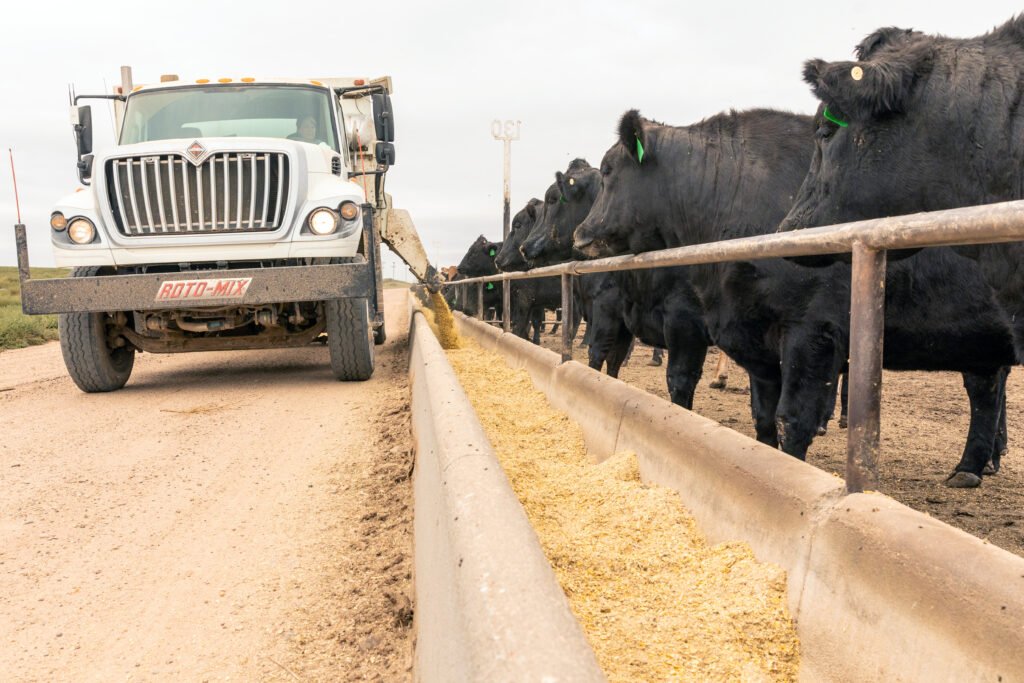
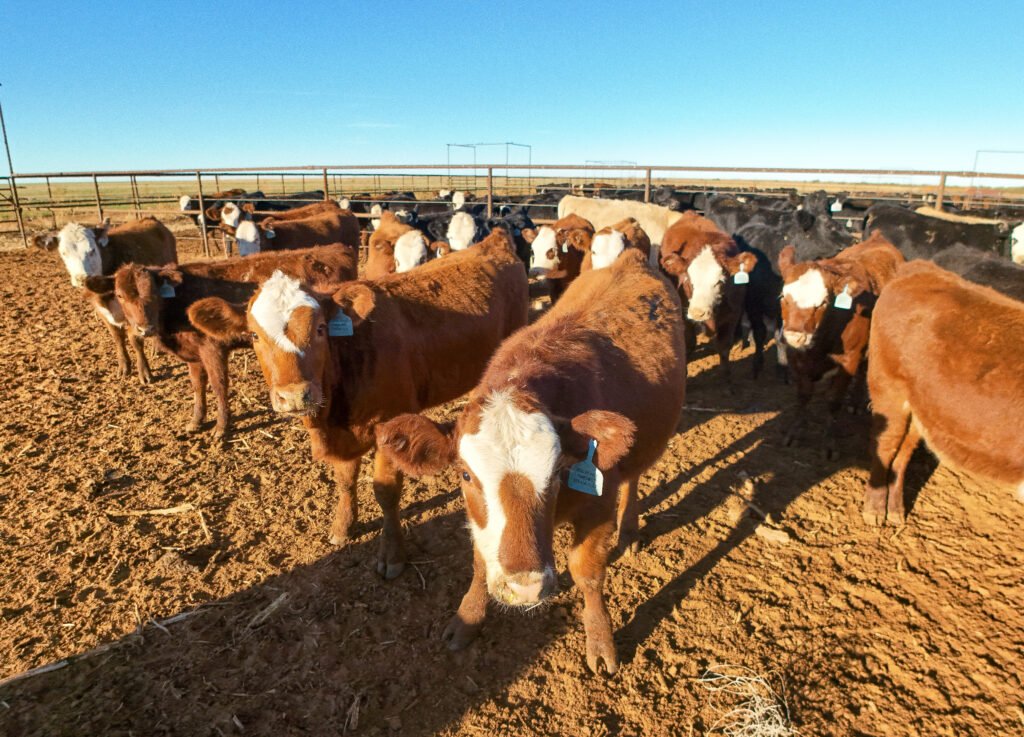
The Multi-Phase Production Chain Beef cattle production in most commercial systems moves through several distinct phases, beginning with cow-calf operations where breeding cows are maintained on pasture to produce and wean calves, followed by a stocker or backgrounding phase in which young cattle grow primarily on forage, and concluding with a feedlot finishing phase where
Beef Cattle Production Read More »
Beef cattle production is the raising of cattle specifically for meat, typically progressing through distinct cow-calf, stocker, and feedlot finishing phases before slaughter.
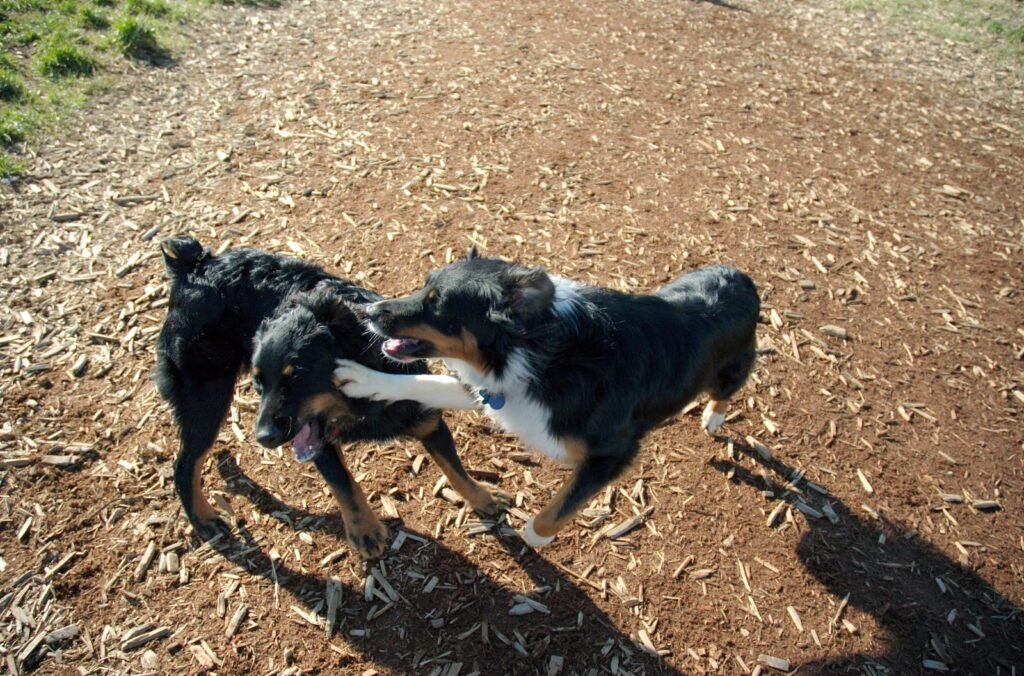
Domestication and Social Evolution Dogs share ancestry with wolves but diverged through a domestication process spanning thousands of years, during which selection favored individuals tolerant of human proximity and cooperative in shared environments. This history produced an animal uniquely attuned to human social cues, including the ability to follow pointing gestures and read human facial
Canine Behavior Read More »
The study of domestic dog behavior patterns, including social structure, communication, and the cooperative instincts shaped by a long history of co-evolution with humans.
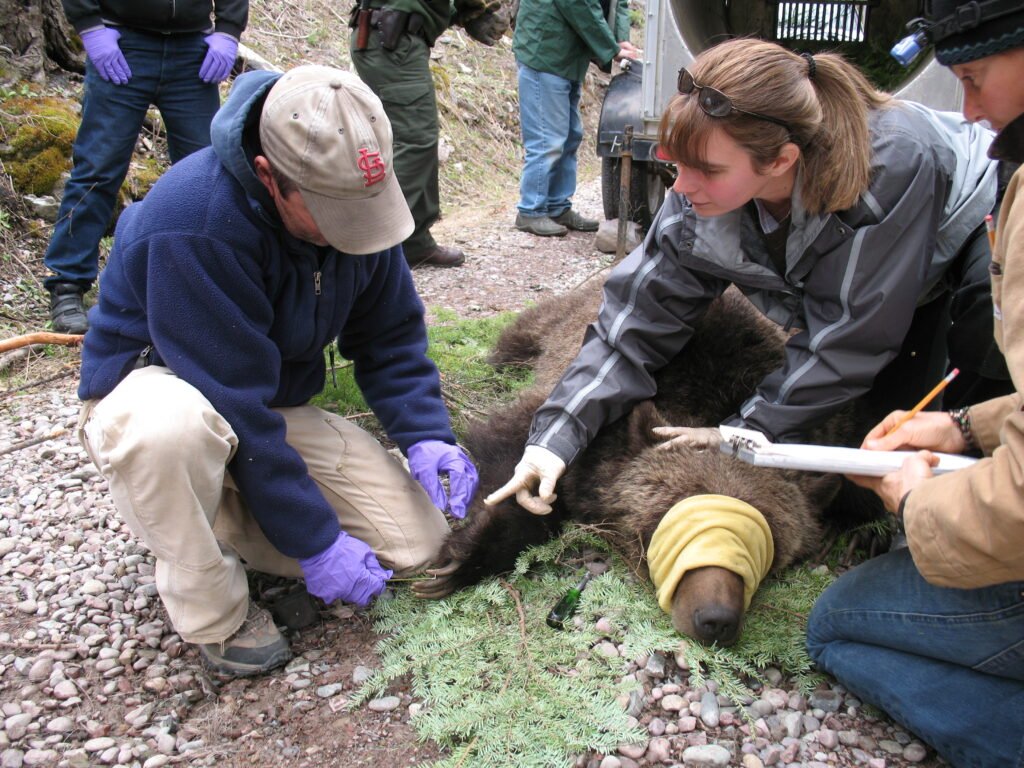
Origins of the Discipline Conservation biology crystallized as a distinct academic discipline in the 1980s, emerging from the recognition that existing fields such as wildlife management and ecology lacked an integrated framework explicitly oriented toward preventing biodiversity loss. Founding figures in the field argued that the accelerating extinction crisis required a crisis-discipline approach, analogous to
Conservation Biology Read More »
The scientific discipline that studies the dynamics of biodiversity loss and develops evidence-based methods to protect species, populations, and ecosystems.