Overview
Police accountability encompasses the range of mechanisms intended to ensure that officers and agencies exercise their authority lawfully and that misconduct, when it occurs, is identified and addressed. These mechanisms operate at multiple levels, from internal departmental review to external civilian oversight and the broader legal system.
Internal mechanisms
Most police departments maintain internal affairs units responsible for investigating complaints against officers, ranging from minor policy violations to serious allegations of excessive force or corruption. Internal mechanisms have faced criticism in some jurisdictions for a perceived lack of independence, since investigators are often fellow officers within the same department being investigated.
External oversight
Many jurisdictions have established civilian oversight boards, composed partly or entirely of individuals outside the police department, to review complaints and, in some cases, independently investigate serious incidents such as officer involved shootings. The authority and effectiveness of these boards varies considerably, with some possessing genuine disciplinary power and others serving a more advisory or review function.
Legal remedies and limitations
Individuals harmed by police misconduct can sometimes pursue civil lawsuits, though in the United States the doctrine of qualified immunity significantly limits the ability to hold individual officers personally liable unless their conduct violated a clearly established legal right, a doctrine that has become a central focus of ongoing debate over police reform.
Body worn cameras
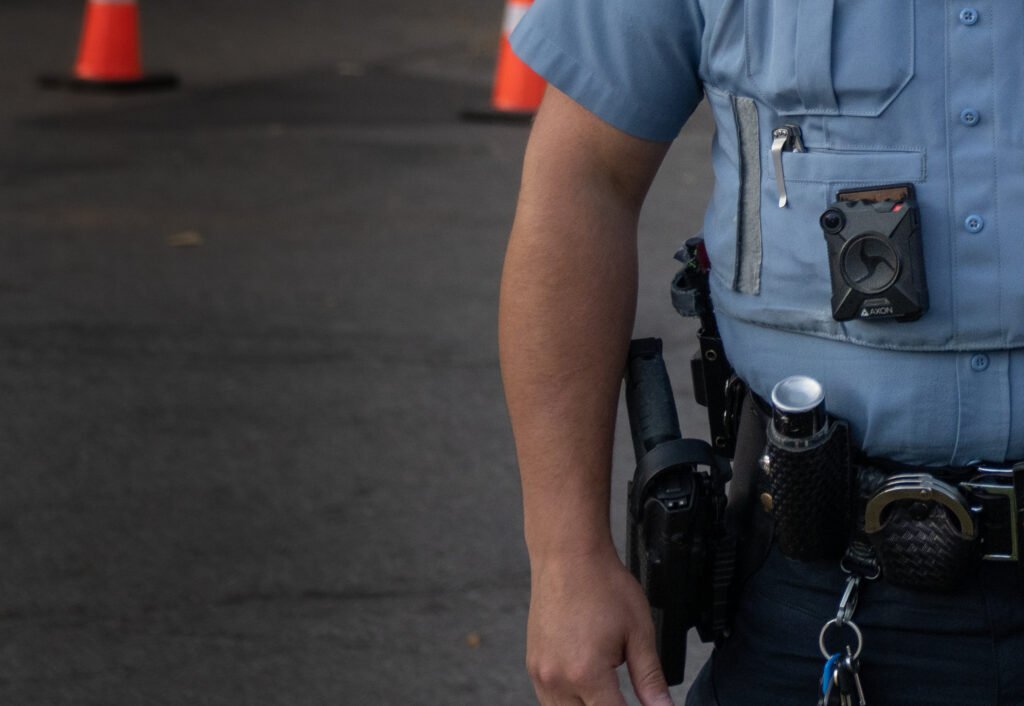
Body worn cameras have become one of the most widely adopted accountability tools in modern policing, intended to provide an objective record of officer interactions with the public that can be reviewed in the event of a complaint or controversial incident. Research on their effectiveness has produced mixed results, with some studies finding modest reductions in complaints and use of force, while others find limited measurable impact, depending heavily on how consistently departments implement and enforce camera usage policies.
Consent decrees
In cases of documented systemic misconduct, the federal government in the United States has sometimes entered into consent decrees with local police departments, court enforceable agreements requiring specific reforms to training, policy, and oversight, typically monitored by an independent party over a period of years until the department demonstrates sustained compliance with the agreed upon changes.
Union and political dynamics
Efforts to expand police accountability often intersect with police labor unions, which frequently negotiate contract provisions affecting disciplinary procedures, and with broader local political dynamics, since accountability reforms typically require support from elected officials, department leadership, and sometimes voter approval through ballot measures establishing or strengthening civilian oversight structures.
Early intervention systems
Some departments have adopted early intervention systems that track patterns in individual officer complaints, use of force reports, and other indicators over time, intended to identify officers who may be at elevated risk of future misconduct before a serious incident occurs, allowing supervisors to intervene with additional training or oversight proactively rather than only after a significant problem has already materialized.
Transparency and public records
Public access to police disciplinary records and use of force data varies considerably by jurisdiction, with some states maintaining strict confidentiality protections for officer personnel files while others have moved toward greater transparency, a divide that significantly shapes how much independent scrutiny journalists, researchers, and the public can bring to bear on patterns of police conduct within a given jurisdiction.
Comparative accountability models
Other countries have developed distinct accountability models, including fully independent national police complaints agencies with investigative and disciplinary authority entirely separate from the police departments they oversee, offering comparative examples that reform advocates sometimes point to when arguing for stronger independent oversight structures domestically.
Role of media and advocacy
Investigative journalism and advocacy organizations have played a significant role in surfacing patterns of police misconduct that might otherwise have remained hidden within internal department records, often prompting the policy reforms and external investigations that follow major public revelations about systemic problems within a particular department or unit.
Officer decertification
Some jurisdictions maintain decertification systems that can revoke an officers license to work in law enforcement following serious misconduct, intended to prevent officers terminated for cause at one department from simply being hired by another agency unaware of their disciplinary history, though the comprehensiveness and enforcement of these systems varies considerably across different states.
Closing observation
Police accountability remains an actively evolving area of policy, with ongoing debate over which combination of internal reform, external oversight, and legal remedy most effectively balances officer safety, public trust, and genuine redress for those harmed by misconduct.
These debates are likely to continue shaping policing policy and practice for years to come.
Final note
Researchers and policymakers continue to study which combinations of internal reform, external oversight, and legal consequence most effectively reduce misconduct while preserving officers ability to do their jobs safely and effectively under difficult circumstances.
This balance remains one of the central and unresolved challenges facing modern policing institutions.
No single reform has proven sufficient on its own, reinforcing the case for combining multiple complementary accountability mechanisms.
It continues to be one of the most actively debated areas of policing policy today.
It is likely to remain so for the foreseeable future given its direct bearing on public trust.
Few expect that debate to be resolved definitively anytime soon.
Few expect that debate to be resolved definitively anytime soon.
Its basic importance has outlasted many generations of changing policing strategy and oversight models alike.
It is studied closely by scholars, journalists, and policymakers across many different jurisdictions and political contexts.
This scrutiny is expected to continue well into the future.
It remains an active area of research and reform.
Key facts
- Array
Quick checkWhat mechanisms are commonly used to hold police officers accountable for misconduct?Show answer
Common mechanisms include internal affairs investigations within police departments, independent civilian oversight boards, criminal prosecution for serious misconduct, and civil lawsuits brought by individuals harmed by police actions.
Sources
- Array
Editorially reviewed by Specialty Digest Editorial TeamLast reviewed November 4, 2026Researched and drafted with AI assistanceReport an issue