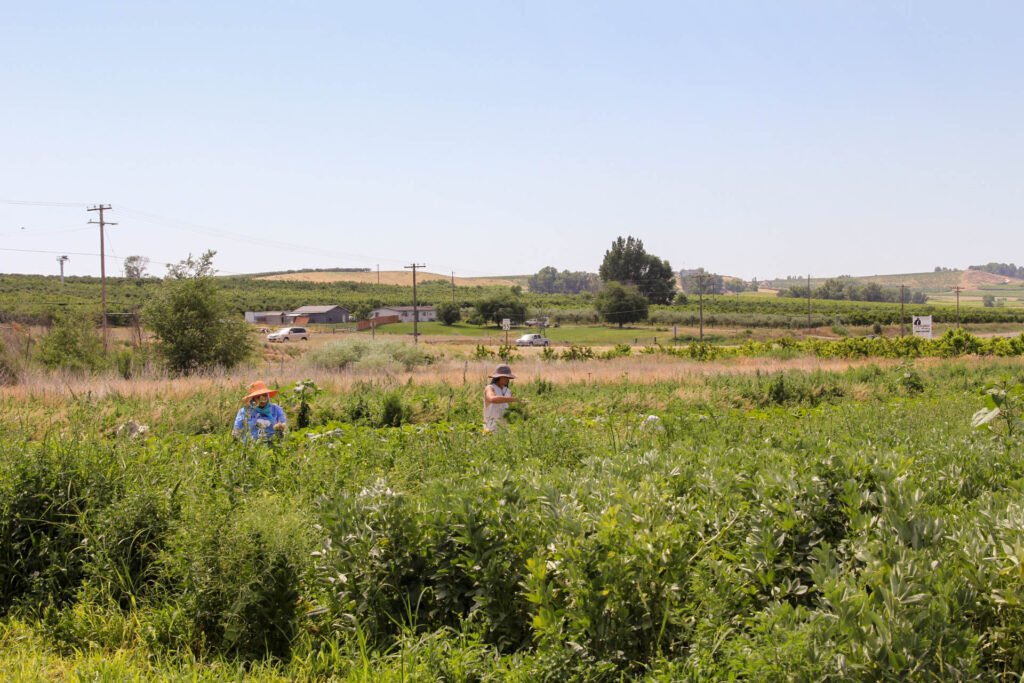
Organic farming is a method of growing crops and raising livestock that avoids most synthetic fertilizers, pesticides, growth hormones, and genetically modified organisms, relying instead on practices such as crop rotation, composting, and biological pest control to maintain soil fertility and manage pests. The term carries a specific legal meaning in most major markets, where a product can only be labeled and sold as organic after meeting defined standards verified by an accredited certifying body, rather than being a loosely descriptive term farmers can apply to their own products at will.
Core practices
Organic farmers typically build soil fertility through compost, animal manure, and cover crops rather than synthetic fertilizers, and they rely on crop rotation, a long-established practice that alternates different crops on the same land across seasons, to disrupt pest and disease cycles and help maintain soil nutrients naturally. Pest and weed management relies on techniques such as introducing or encouraging beneficial insects that prey on crop pests, physical barriers, and approved natural substances, rather than most synthetic pesticides and herbicides used in conventional farming. Organic livestock standards typically require animals to have outdoor access, be fed organically grown feed, and go without routine antibiotics or synthetic growth hormones, reflecting the same underlying philosophy of working with biological processes rather than overriding them with synthetic inputs.
Certification systems
Major markets maintain their own legal organic certification programs with their own specific standards: the United States Department of Agriculture’s National Organic Program sets the rules for the USDA Organic label in the United States, the European Union maintains its own organic regulation and logo, and many other countries operate comparable systems, often with mutual recognition agreements that let certified organic products from one system qualify for sale under another’s label without a separate certification process. Certification generally requires a transition period, commonly three years, during which land must be farmed according to organic standards before its output can actually be sold as certified organic, reflecting the time needed for synthetic chemical residues to clear and for the described biological practices to take over the role those chemicals previously played.
Global scale of organic farming
Organic farming has grown from a niche practice into a meaningful, though still comparatively small, share of global agriculture. The Research Institute of Organic Agriculture’s 2024 data placed global certified organic farmland at about 98.9 million hectares, farmed by roughly 4.8 million producers worldwide, while the global retail market for organic products reached about 145.0 billion euros that year, up 6.9 billion euros from the previous year. Even with that steady growth, certified organic land remains a small fraction of total global agricultural land, concentrated disproportionately in regions such as Australia, Europe, and Latin America, where organic grazing land and pasture make up a particularly large share of the certified total.
Yields, costs, and the debate over organic farming
Organic farming most often produces lower yields per unit of land than comparable conventional farming, though the size of that yield gap varies considerably by crop, region, and specific farming practices, and some well-managed organic systems narrow the gap substantially compared with the worst-case comparisons sometimes cited in the debate. Organic products also typically cost more to buy, reflecting both generally higher production costs and price premiums that organic certification itself commands in many markets. Supporters argue organic farming reduces chemical runoff into waterways, which helps limit the water pollution and eutrophication conventional fertilizer and pesticide use can contribute to, and that it can improve long-term soil health, while critics counter that if organic farming’s typically lower yields were applied at the full scale of current global food demand, more total land would need to be farmed to produce the same amount of food, which could offset some of its environmental benefits per unit of land with a larger total farmed area.
A brief history
Organic farming as a deliberate movement predates the modern certification systems that now define it by several decades, emerging in the early-to-mid twentieth century partly as a reaction against the rapid postwar expansion of synthetic fertilizers and pesticides following the Second World War. Early advocates argued that synthetic inputs, while boosting short-term yields, could degrade soil structure and biological activity over the long run if used without the kind of rotation and organic matter replenishment traditional farming had relied on for centuries. It took until the 1990s and 2000s for most major governments to formalize legal organic standards and labeling rules, turning what had largely been a loose set of farming philosophies into the verifiable certification systems in use today.
Why the distinction matters to consumers
For many consumers, choosing organic products is motivated by a combination of perceived environmental benefits, animal welfare standards, and a preference for avoiding synthetic chemical residues, even though nutritional differences between organic and conventionally grown food have generally been found to be modest at most in controlled comparisons. The legal certification requirement matters here specifically because it gives the organic label a verifiable, standardized meaning that consumers can rely on across different products and retailers, rather than leaving the term open to informal or inconsistent use.
FAQs
Does organic food have to come from a farm using no chemicals at all? No. Organic standards restrict most synthetic fertilizers, pesticides, and genetically modified inputs, but they do permit a specific, approved list of natural substances and some non-synthetic treatments, so organic farming is better understood as working within defined rules rather than using absolutely no external inputs of any kind.
Why does organic farming generally produce lower yields than conventional farming? Without synthetic fertilizers and pesticides, organic systems typically rely on slower-acting biological processes to supply nutrients and control pests, which can leave less margin for error and generally produces somewhat less output per unit of land, though the size of that gap varies widely depending on the crop and how well the specific organic system is managed.
Key facts
- Organic certification is a legal standard verified by an accredited body, such as the USDA National Organic Program, not an informal descriptive term.
- Land typically requires a multi-year transition period, often three years, farmed to organic standards before its output can be sold as certified organic.
- Global certified organic farmland reached about 98.9 million hectares in 2024, farmed by roughly 4.8 million producers, per the Research Institute of Organic Agriculture.
- The global organic retail market reached about 145.0 billion euros in 2024, up 6.9 billion euros from the prior year.
- Organic farming typically produces lower yields per unit of land than conventional farming, with the size of the gap varying by crop and management.
Related concepts
Quick checkWhy can't a farmer simply market their produce as "organic" without going through certification?Show answer
In most major markets, "organic" is a legally defined label tied to specific, verified standards enforced by an accredited certifying body, such as the USDA National Organic Program, so using the term for a product that has not completed that certification process, including the required land transition period, would misrepresent the product under those legal standards.
Sources
- Research Institute of Organic Agriculture (FiBL). Global organic market hits all-time high in 2024. 2025 (accessed 2026-11-01)
Editorially reviewed by Specialty Digest Editorial TeamLast reviewed November 1, 2026Researched and drafted with AI assistanceReport an issue