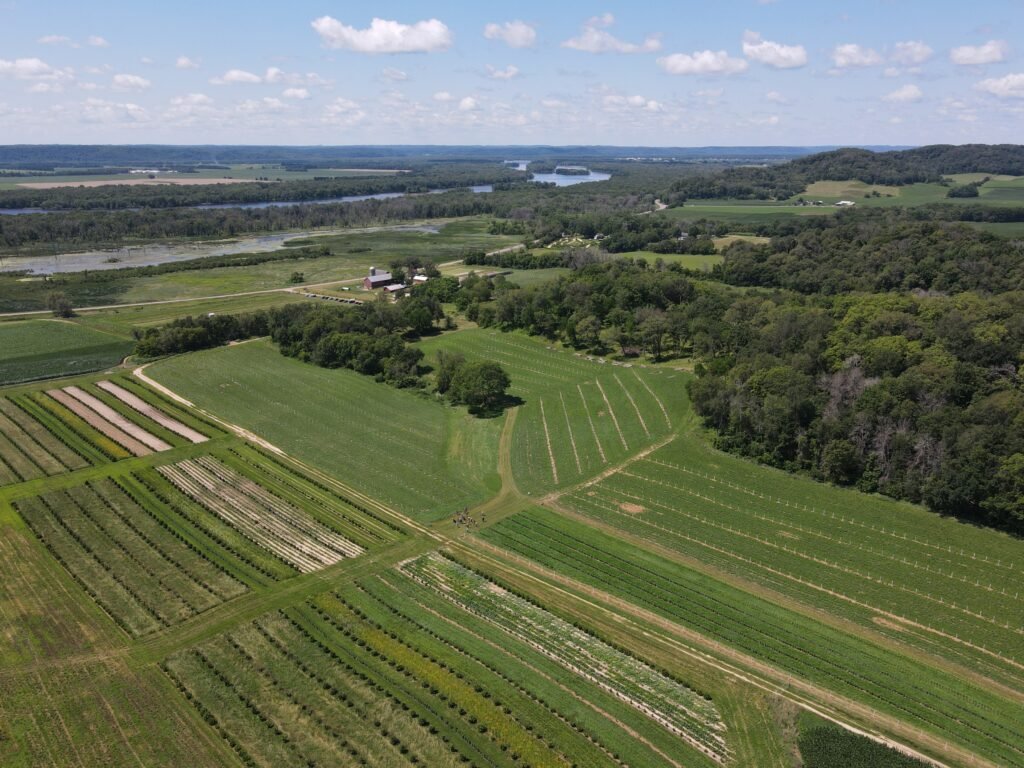
Agroforestry is a land management approach that deliberately combines woody perennial plants, such as trees, shrubs, palms, or bamboo, with crops, livestock, or both on the same piece of land, so that the different components interact with and benefit one another ecologically and economically rather than being grown in complete isolation. According to the United
Agroforestry Read More »
A land management approach that deliberately combines trees or shrubs with crops and/or livestock on the same land (FAO).
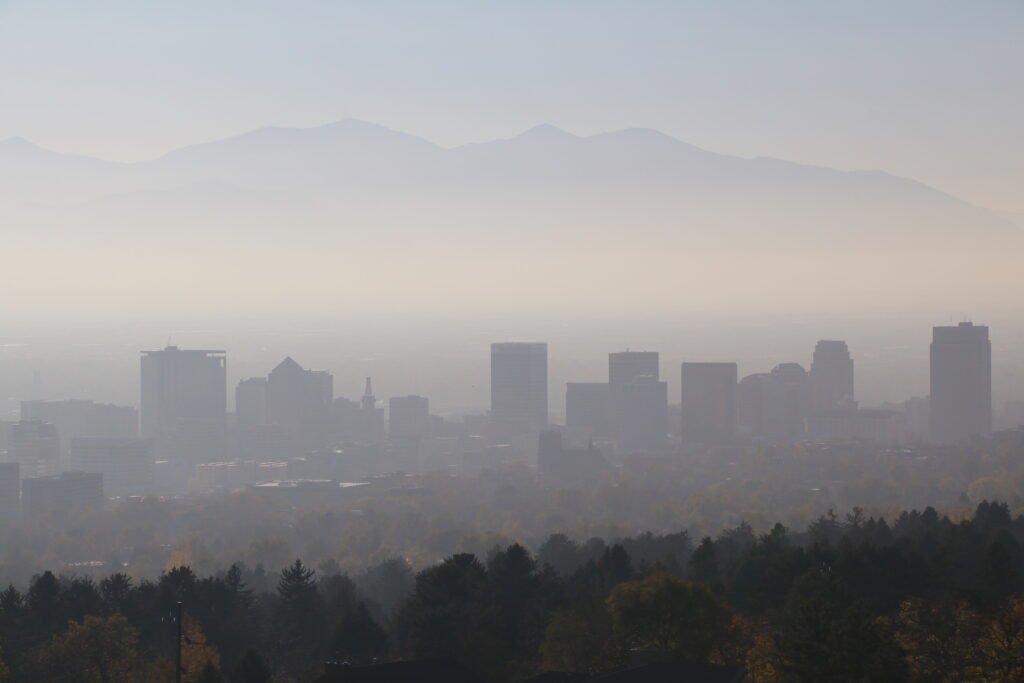
Air pollution is the contamination of indoor or outdoor air by chemical, physical, or biological agents that alter its natural characteristics, in ways that can harm human health, damage ecosystems, and affect the climate. The World Health Organization treats it as one of the largest single environmental risks to health worldwide, estimating that nearly everyone
Air pollution Read More »
Air pollution is the contamination of indoor or outdoor air by harmful agents, linked to about 7 million premature deaths worldwide each year.
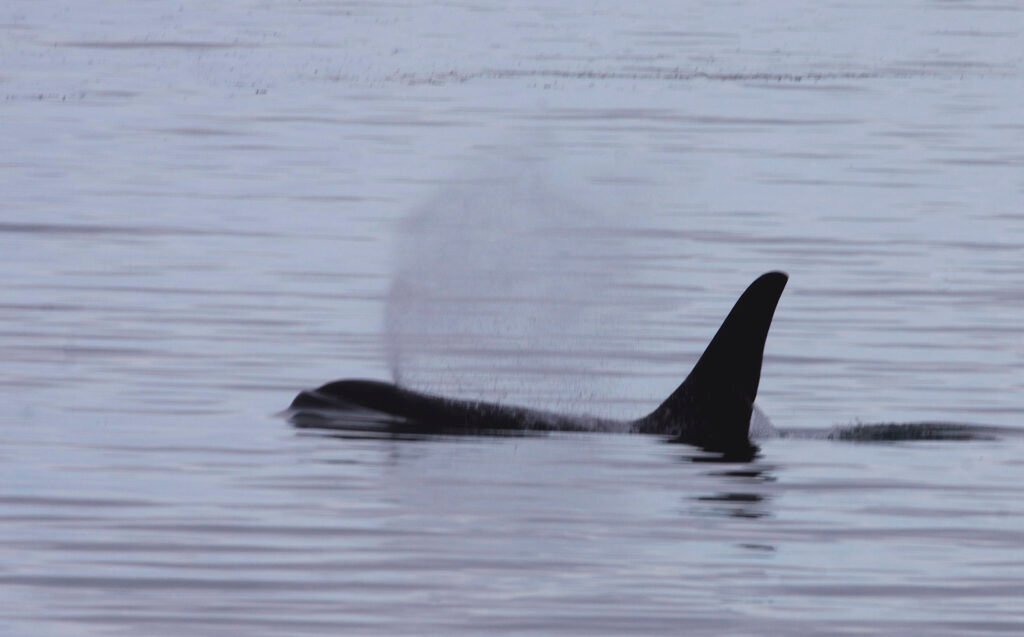
An apex predator is a predator that occupies the top of its ecosystem’s food chain and has no natural predators of its own as an adult, making it the final destination for the flow of energy through that particular chain. The term describes a species’ position within a food web rather than any specific behavior,
Apex predator Read More »
An apex predator sits at the top of its food chain with no natural predator of its own as an adult.
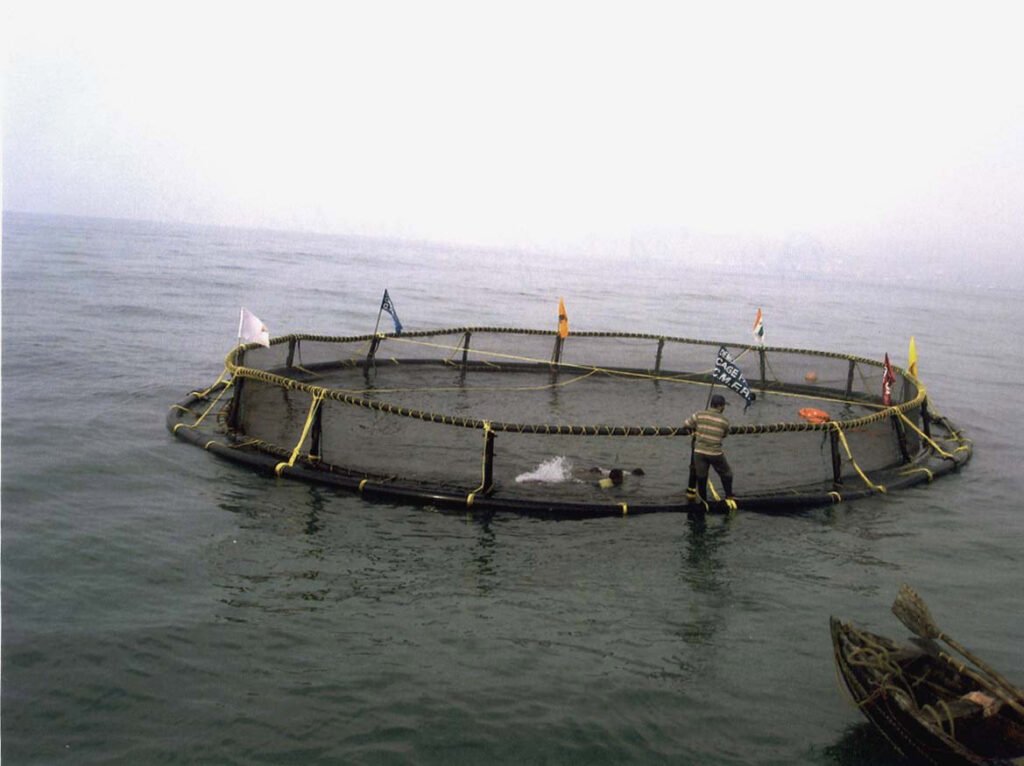
Aquaculture is the farming of fish, shellfish, and aquatic plants under controlled conditions, as distinct from capture fisheries, which harvest wild populations from oceans, rivers, and lakes. It ranges from small freshwater fish ponds and coastal shrimp farms to large offshore cages holding hundreds of thousands of salmon, and it has grown from a relatively
Aquaculture Read More »
The farming of fish, shellfish and aquatic plants, which in 2022 overtook wild-catch fisheries as the main source of aquatic animal production.
Biodiversity is the full variety of life on Earth, encompassing the diversity within a species, the diversity between different species, and the diversity of entire ecosystems. The UN Convention on Biological Diversity defines it this way to capture that biodiversity is not just a count of how many species exist, but a layered measure covering
Biodiversity Read More »
Biodiversity is the full variety of life on Earth across genes, species, and ecosystems, and a key natural defense against climate change.
In simple terms A biodiversity hotspot is a region that packs in an extraordinary concentration of plant species found nowhere else on Earth, and that has already lost most of the natural habitat those species depend on. [1] The designation flags places where both the stakes and the urgency of conservation are unusually high at
Biodiversity hotspot Read More »
A biodiversity hotspot is a region with an exceptionally large number of plant species found nowhere else on Earth that has already lost most of its original natural habitat.
Biofuel is fuel produced from recently living biological material, chiefly plants, algae, or organic waste, rather than from fossil fuel deposits formed over millions of years. Because the carbon released when a biofuel is burned was captured from the atmosphere relatively recently, biofuels are generally promoted as a lower-carbon alternative to gasoline, diesel, and other
Biofuel Read More »
Biofuel is fuel produced from recently living biological material, such as crops or waste, rather than from fossil fuel deposits.
A carbon footprint is the total amount of carbon dioxide, and often other greenhouse gases converted into a carbon dioxide equivalent, linked to the activities of a person, organization, product, or country, usually measured in tons of CO2 or CO2 equivalent per year. It covers both direct emissions, such as fuel burned in a car,
Carbon footprint Read More »
A carbon footprint is the total greenhouse gas emissions, measured in tons of CO2 equivalent, linked to a person, organization, or activity.
In simple terms A carbon sink is anything that takes in more carbon than it gives back, so its net effect is to pull carbon dioxide out of the air and hold it somewhere else. The ocean, forests and soils are the large natural ones. The opposite is a carbon source, which releases more than
Carbon sink Read More »
A carbon sink is anything that absorbs and stores more carbon than it releases, such as the ocean, forests or soils.
Carrying capacity is the maximum population size of a species that a given environment can sustain indefinitely, given the food, water, habitat, and other resources actually available to it. The concept applies across scales, from a single pond’s fish population to an entire planet’s human population, and it sits at the center of how ecologists
Carrying capacity Read More »
Carrying capacity is the maximum population size an environment can sustain indefinitely, given its available resources.