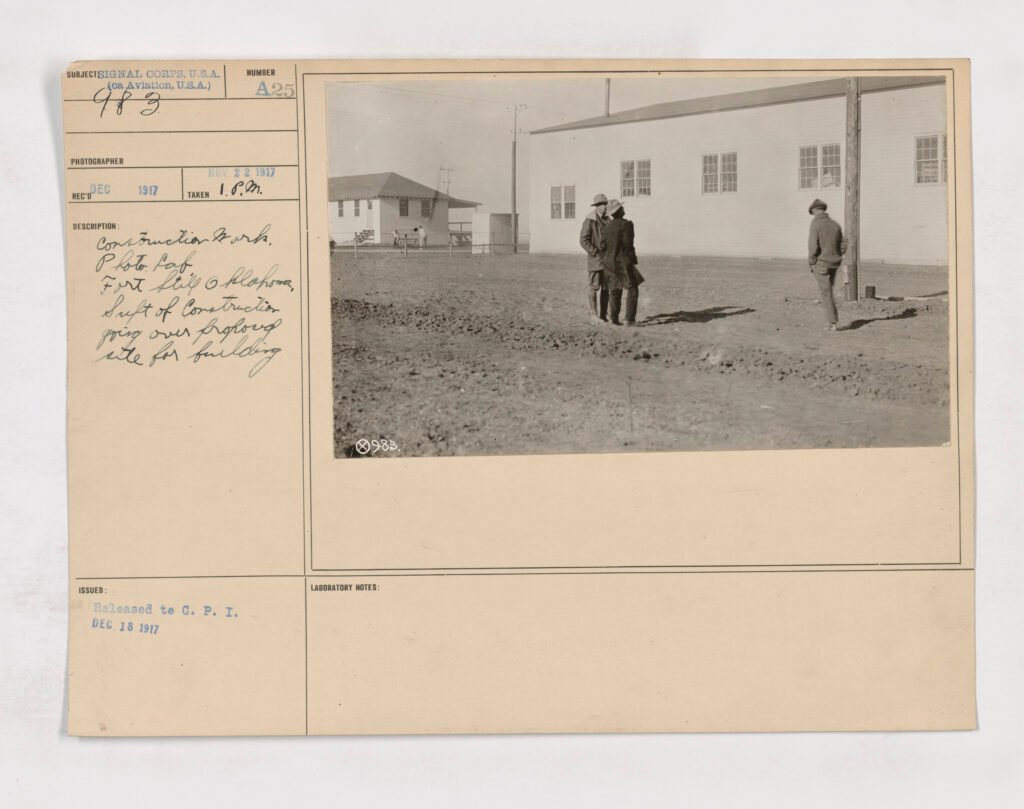
Construction management is the professional discipline of planning, coordinating, and overseeing a building project from early design through completion, ensuring that work proceeds on schedule, within budget, and to the required quality and safety standards. A construction manager serves as the central coordinating figure between the project owner, architects and engineers, and the many specialized subcontractors, such as electricians, plumbers, and steel erectors, who each perform a portion of the physical construction work, translating design documents into a coordinated, sequenced plan of action on the ground.
Core Responsibilities
Construction managers develop and continuously update project schedules, typically using critical path method scheduling software to identify which specific tasks, if delayed, would delay the entire project, allowing the manager to focus limited attention on the sequence of activities most likely to cause costly overruns. Budget management runs throughout the project as well, tracking actual costs against original estimates, processing subcontractor payment applications, and managing the formal change order process whenever a client request or unforeseen site condition requires work beyond the original contract scope. Quality control and safety oversight round out the core responsibilities, requiring construction managers to inspect completed work against design specifications and applicable codes, and to enforce jobsite safety programs that protect workers from the injuries and fatalities that remain disproportionately common in construction compared to most other industries.
Project Delivery Methods
How a construction manager’s role is structured varies by project delivery method. In design-bid-build, the traditional approach, an owner hires an architect to complete a full design before competitively bidding the construction work to contractors, and a construction manager may be hired either to represent the owner’s interests throughout or simply to serve as the winning general contractor executing an already-finished design. Design-build consolidates design and construction responsibility under a single contracted entity, which can shorten overall project timelines by allowing construction to begin on early phases before every design detail elsewhere in the building is finalized. Construction manager at-risk arrangements bring a construction manager on board early during design, contributing cost and scheduling expertise before construction documents are complete, while still ultimately guaranteeing a maximum price for the finished work, combining some of design-build’s early collaboration with the owner protections of a more traditional guaranteed-price contract.
Risk and Contract Structures
Construction contracts allocate risk between owner and contractor in several recognizable ways, and understanding this allocation is central to construction management practice. Lump-sum, or fixed-price, contracts set one total price for the defined scope of work, placing cost-overrun risk primarily on the contractor, who must absorb unexpected costs unless they result from an owner-directed change. Cost-plus contracts instead reimburse the contractor’s actual costs plus an agreed fee, shifting overrun risk toward the owner but offering more flexibility when a project’s scope cannot be fully defined in advance. Guaranteed maximum price contracts attempt a middle path, reimbursing actual costs up to a capped ceiling beyond which the contractor bears any further overrun, giving an owner budget certainty while still allowing some of the flexibility of a cost-plus arrangement below that cap.
Technology and Professional Practice
Construction management has absorbed considerable digital technology in recent decades, including Building Information Modeling for design coordination, cloud-based project management platforms that let geographically dispersed teams track documents, schedules, and inspection reports in real time, and drone photography that lets a manager monitor site progress and verify quantities of earthwork or stockpiled material without a manual site walk for every measurement. Professional certification, such as the Certified Construction Manager credential offered through the Construction Management Association of America, has grown alongside this technical sophistication, reflecting an industry-wide push to formalize construction management as a distinct profession with its own body of knowledge, separate from the architecture and engineering disciplines it coordinates but has traditionally been considered subordinate to.
Safety as a Management Priority
Construction remains one of the more hazardous industries in most countries, and jobsite safety management has grown from a secondary concern into a central construction management responsibility carrying significant legal and financial consequences when it fails. Construction managers typically implement formal safety programs covering fall protection, excavation shoring, crane operation protocols, and personal protective equipment requirements, often going beyond the legal minimum set by occupational safety regulators because the cost of a serious jobsite injury, in human terms as well as liability and insurance premium increases, far exceeds the cost of robust preventive safety programs. Many large construction firms now track detailed safety metrics, such as recordable incident rates, across every active project specifically because owners increasingly evaluate prospective contractors on safety performance alongside price and schedule when awarding future work.
Career Pathways
Construction managers typically enter the field through a bachelor’s degree in construction management or civil engineering, though a substantial share still rise through the trades, starting as a tradesperson or field superintendent and moving into management roles as they accumulate practical site experience. Large contractors often run formal management trainee programs that rotate new graduates through estimating, scheduling, and field roles over their first few years specifically to build the broad, cross-functional knowledge the job demands before giving them independent project responsibility. This dual pathway, academic credential or field-earned experience, means construction management remains one of the more accessible paths into a well-compensated technical career without necessarily requiring a traditional engineering or architecture license, though licensure requirements for certain project types and jurisdictions continue to expand.
Professional certification continues to grow in importance alongside these pathways, as owners on larger projects increasingly expect a lead construction manager to hold a recognized credential.
Key facts
- Array
Quick checkWhat is the difference between a lump-sum contract and a cost-plus contract?Show answer
A lump-sum contract sets one fixed total price, placing overrun risk mainly on the contractor, while a cost-plus contract reimburses actual costs plus a fee, shifting more overrun risk toward the owner in exchange for greater flexibility.
Sources
- Array
Editorially reviewed by Specialty Digest Editorial TeamLast reviewed November 3, 2026Researched and drafted with AI assistanceReport an issue