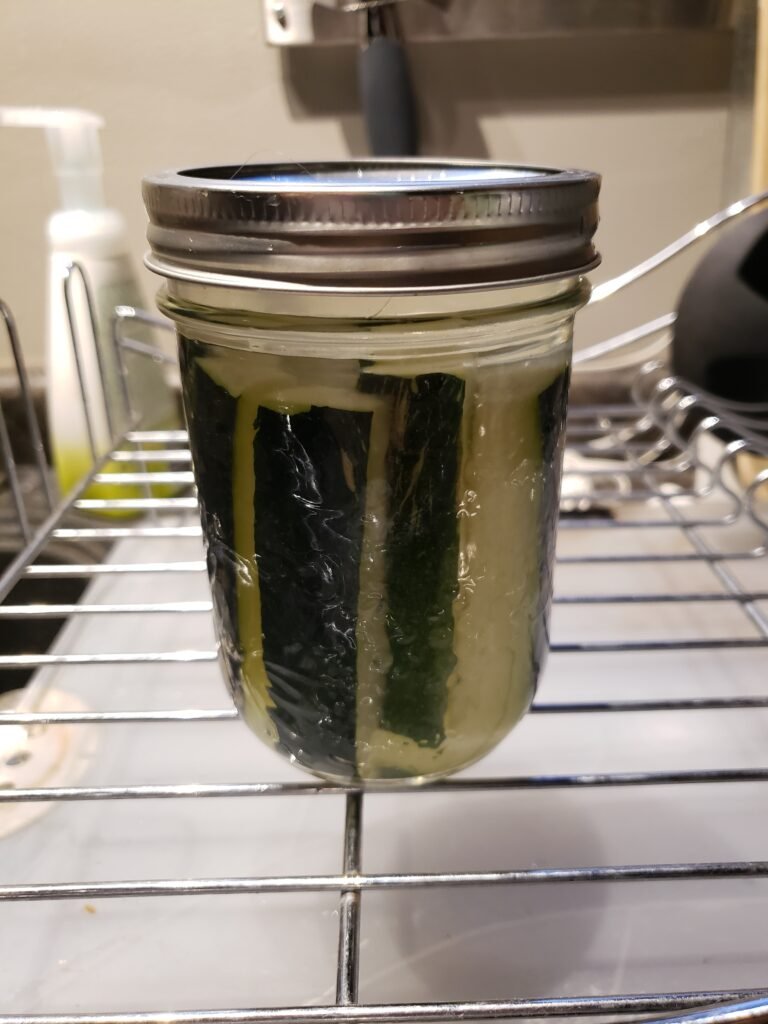
Food preservation encompasses the methods used to prevent or slow the spoilage of food caused by microbial growth, enzymatic activity, and oxidation, extending how long food remains safe and palatable to eat beyond its naturally perishable state. Humans have practiced food preservation for thousands of years through techniques such as drying, salting, and fermenting, and modern food science has both refined these traditional methods and developed entirely new preservation technologies suited to large-scale commercial food production and distribution.
Traditional Preservation Methods
Drying removes the moisture microorganisms need to grow, historically achieved through sun exposure or smoking and now often accomplished with controlled mechanical dehydration that produces more consistent results. Salting and curing draw water out of food through osmosis while also creating an environment inhospitable to many spoilage organisms, a method long used for preserving meats and fish before refrigeration became widely available. Fermentation, in which beneficial microorganisms convert sugars into acids, alcohol, or other compounds, both preserves food and often improves its flavor and nutritional profile, producing items such as sauerkraut, yogurt, and cured sausages that remain popular well beyond their original preservation purpose.
Thermal and Chemical Preservation
Pasteurization and canning use heat to destroy microorganisms and inactivate spoilage enzymes, with canning additionally sealing food in an airtight container to prevent recontamination, a combination that has made canned goods safely shelf-stable for years at room temperature. Chemical preservatives, including various acids, antioxidants, and antimicrobial compounds, are added directly to food in carefully regulated concentrations to inhibit microbial growth or oxidation, extending shelf life without necessarily requiring refrigeration, though consumer interest in minimally processed food has pushed some manufacturers toward natural preservative alternatives such as rosemary extract or vinegar.
Refrigeration, Freezing, and Modern Technologies
Refrigeration slows microbial growth and enzymatic activity by lowering temperature without necessarily stopping these processes entirely, making it suitable for shorter-term preservation, while freezing halts most biological activity almost completely, enabling food to remain safe for months or years, though ice crystal formation during freezing can affect texture in some foods, prompting techniques like flash freezing that minimize crystal size. Modern preservation technologies include modified atmosphere packaging, which alters the gas composition surrounding food to slow spoilage, high-pressure processing, which uses extreme pressure rather than heat to destroy microorganisms while better preserving flavor and nutrients, and irradiation, which uses controlled doses of ionizing radiation to eliminate pathogens, each offering different tradeoffs between shelf life extension, nutrient retention, and consumer acceptance.
Balancing Preservation with Quality and Safety
Every preservation method involves tradeoffs between extending shelf life, maintaining nutritional value, preserving sensory qualities such as taste and texture, and meeting consumer expectations for minimally processed food, and food scientists continually research new approaches that better balance these sometimes competing goals. Regulatory agencies in most countries set standards for preservation methods and additive use specifically to ensure that extending food shelf life does not come at the cost of consumer safety, requiring extensive testing before new preservation technologies or chemical preservatives can be approved for commercial food production and sale to the public.
Preservation and Global Food Security
Effective food preservation plays a critical role in reducing post-harvest food loss, a significant problem in many regions where inadequate storage, processing, and transportation infrastructure allows a substantial share of harvested food to spoil before it ever reaches consumers. Investment in preservation technology, ranging from simple improved drying and storage methods in smallholder farming contexts to advanced cold chain infrastructure in commercial supply chains, has become a recognized strategy for improving food security and reducing waste, particularly in regions where seasonal harvests must be preserved to provide food access throughout the year rather than only during brief harvest windows. International development organizations frequently fund preservation infrastructure projects specifically because relatively modest investments in storage and processing capacity can meaningfully reduce food loss rates that otherwise undermine broader agricultural productivity gains.
Packaging as an Extension of Preservation
Packaging works alongside preservation techniques to protect food from physical damage, contamination, and environmental exposure that could otherwise undermine even a well-executed preservation method, with materials engineered to control moisture transfer, block light that can degrade certain nutrients and flavors, and in some cases actively interact with the food itself, as with oxygen-absorbing or antimicrobial packaging materials designed to extend shelf life further. The combination of preservation method and packaging design is generally considered together during product development, since a preservation technique effective on its own can be undermined by inappropriate packaging that allows recontamination, moisture loss, or oxidation to occur after processing despite the preservation step having been performed correctly.
Consumer Trends Reshaping Preservation Choices
Consumer demand for fresher-tasting, less heavily processed food has pushed manufacturers toward gentler preservation methods that better retain the sensory and nutritional qualities of fresh food, even when these methods are more costly or technically demanding than older approaches. High-pressure processing and modified atmosphere packaging have both grown in commercial use partly for this reason, offering meaningful shelf life extension while avoiding the flavor and nutrient changes that heavier thermal processing or heavy preservative use can introduce. This consumer-driven shift continues to influence which preservation technologies food manufacturers invest in developing and scaling for broader commercial use.
These shifting priorities continue to shape research funding and commercial investment across the global food preservation industry.
Ongoing advances are likely to keep narrowing the gap between shelf life and fresh-food quality for many years to come.
Key facts
- Array
Quick checkWhat is the main difference between refrigeration and freezing for food preservation?Show answer
Refrigeration slows microbial growth and enzymatic activity, while freezing halts most biological activity almost completely for much longer preservation.
Sources
- Array
Editorially reviewed by Specialty Digest Editorial TeamLast reviewed November 3, 2026Researched and drafted with AI assistanceReport an issue