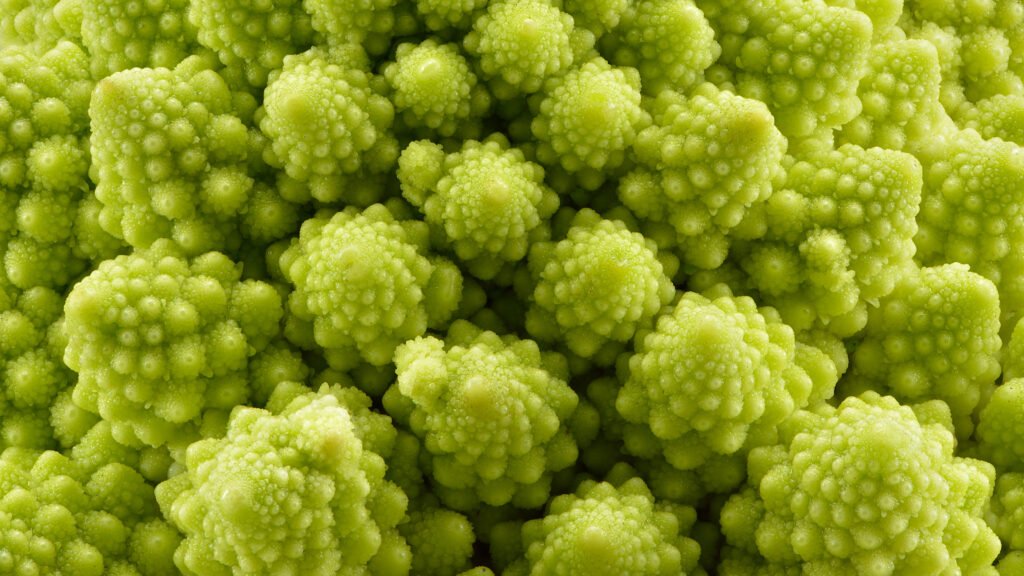
Food texture refers to the physical and structural properties of food that can be perceived through touch, including the mouth, as well as sight and sound, encompassing qualities such as crispness, chewiness, smoothness, and juiciness that significantly shape how a food is experienced and enjoyed independent of its flavor or aroma. Texture plays a critical role in food acceptance and preference, with research showing that even foods with identical flavor can be perceived very differently, and rated very differently for quality and enjoyment, based on textural differences alone.
Components of Food Texture Perception
Food texture perception involves multiple senses working together, including tactile sensation in the mouth that detects properties such as hardness, viscosity, and particle size, auditory cues such as the sound of crunching or snapping that contribute significantly to perceived freshness and quality in foods like chips and crackers, and visual cues that create expectations about texture before a food is even tasted. Food scientists use the term mouthfeel specifically to describe the overall tactile sensation experienced while eating, a concept that captures texture complexity beyond any single measurable physical property.
Measuring Texture Scientifically
Food scientists use specialized instruments to objectively measure texture properties that would otherwise rely entirely on subjective human perception, including texture analyzers that measure force required to compress, cut, or puncture a food sample, providing quantitative data on properties like hardness, brittleness, and chewiness that can be compared consistently across different product batches or formulations. These objective measurements are typically validated against trained human sensory panels, since the ultimate goal of texture measurement is predicting how real consumers will perceive and respond to a given food texture, not simply generating numbers disconnected from actual eating experience.
Factors That Shape Texture
Food texture results from a complex interplay of ingredient composition, processing method, and storage conditions, with factors such as protein structure, starch gelatinization, fat content and distribution, and moisture level all contributing to the final textural outcome of a given food product. Processing techniques such as cooking temperature and time, mechanical processing like grinding or homogenization, and packaging choices that affect moisture retention or loss during storage can all significantly alter texture, sometimes in ways that food manufacturers must carefully control to maintain consistent product quality across different production batches and over a product entire shelf life.
Texture Modification in Food Product Development
Food manufacturers frequently use texture-modifying ingredients, including various starches, gums, and proteins, to achieve specific desired textural outcomes, whether creating a creamy mouthfeel in a reduced-fat product that would otherwise feel thin and watery, or achieving a specific crispness or chewiness target in a snack or confection product. Texture modification has become increasingly sophisticated as food science has developed deeper understanding of the molecular and structural basis of different textural properties, enabling manufacturers to engineer specific textures for applications ranging from plant-based meat alternatives seeking to replicate traditional meat texture to reduced-sugar products aiming to maintain the mouthfeel consumers expect despite significant formulation changes.
Texture and Food Choice Across Life Stages
Texture preferences and requirements shift considerably across different life stages and populations, with infants and elderly individuals in particular often requiring modified textures, whether softer, smoother foods for those with chewing or swallowing difficulties, or specifically designed textures that support safe swallowing for individuals with certain medical conditions affecting this process. Food manufacturers serving these populations invest significant research into texture modification specifically to ensure nutritional adequacy and eating safety without unnecessarily sacrificing the sensory enjoyment that appropriate texture contributes to any eating experience, regardless of a consumer specific physical needs or life stage.
Plant-Based Alternatives and Texture Challenges
Replicating the texture of traditional animal-based products, particularly meat, has emerged as one of the most significant technical challenges facing plant-based food development, since achieving a convincingly meat-like fibrous structure and chew from plant proteins requires sophisticated processing techniques such as high-moisture extrusion, which aligns plant proteins into fibrous structures that better mimic traditional meat texture than earlier, less structurally sophisticated plant protein products achieved. Continued advances in this area reflect how central texture has become to consumer acceptance of alternative protein products, often mattering as much to overall product success as flavor formulation itself.
Cultural and Individual Variation in Texture Preference
Texture preferences vary considerably across cultures and individuals, with some culinary traditions favoring crisp, crunchy textures in certain dishes while others favor smooth or soft textures for comparable foods, reflecting deep cultural conditioning around what represents a desirable eating experience for any given food category. This variation means food manufacturers developing products for international markets must often adjust texture, not just flavor, to match regional preferences, recognizing that a texture profile successful in one market may be perceived as unappealing or even off-putting by consumers accustomed to different textural norms in their traditional cuisine.
Understanding these cultural and individual differences remains essential for any food company seeking success in diverse or international consumer markets.
Ongoing advances in texture science are expected to keep improving both plant-based alternatives and products formulated for special dietary and medical needs.
This growing sophistication reflects texture increasing recognition as a defining factor in food product success across nearly every category.
Companies that invest in texture research alongside flavor development tend to see stronger consumer acceptance for their newest product launches.
Key facts
- Array
Quick checkWhat does the term mouthfeel describe in food science?Show answer
Mouthfeel describes the overall tactile sensation experienced while eating, capturing texture complexity beyond any single measurable property.
Sources
- Array
Editorially reviewed by Specialty Digest Editorial TeamLast reviewed November 3, 2026Researched and drafted with AI assistanceReport an issue