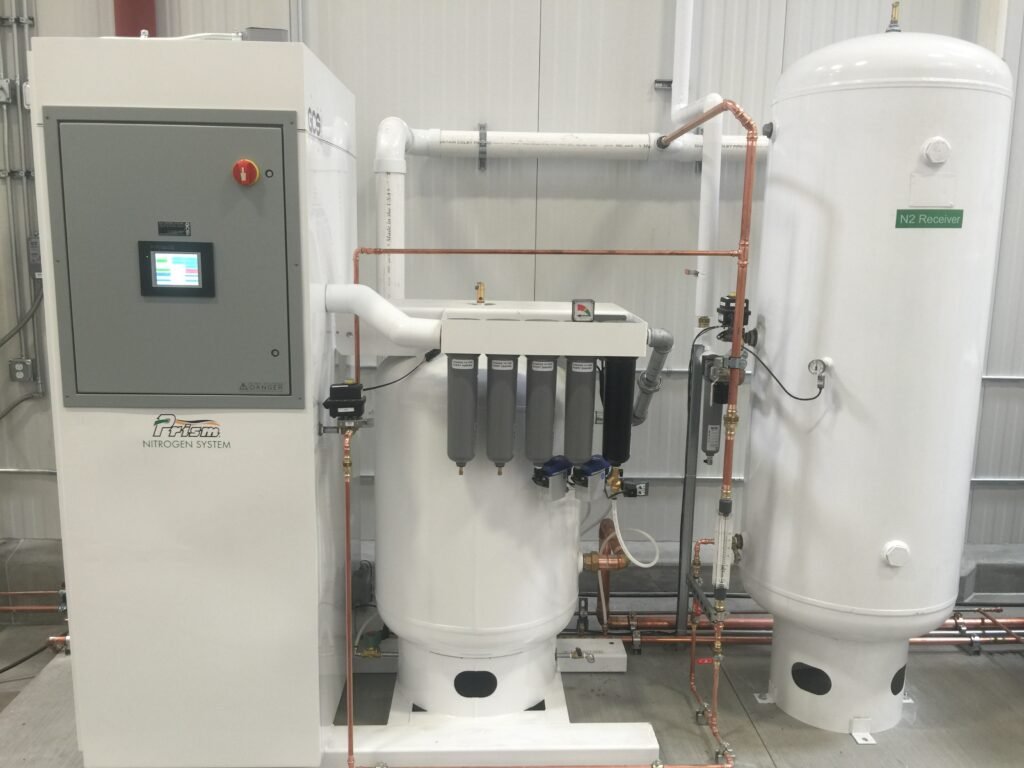
Modified atmosphere packaging is a food preservation technique that alters the composition of gases surrounding a food product inside its package, typically reducing oxygen levels and increasing carbon dioxide or nitrogen levels, to slow the growth of spoilage microorganisms and reduce oxidative reactions that degrade food quality over time. Widely used for fresh produce, meat, baked goods, and ready-to-eat salads, modified atmosphere packaging extends shelf life and maintains visual appeal without relying primarily on chemical preservatives or heat treatment.
How Gas Composition Affects Food Preservation
Reducing oxygen levels within a package slows the growth of aerobic spoilage bacteria and molds that require oxygen to thrive, while also reducing oxidative rancidity in fatty foods and preventing the browning reactions that occur when certain cut fruits and vegetables are exposed to normal atmospheric oxygen levels. Increased carbon dioxide levels have an additional antimicrobial effect against many common spoilage organisms, while nitrogen, an inert gas, is often used simply to displace oxygen and provide physical cushioning within flexible packaging without itself contributing any specific antimicrobial or chemical preservation effect.
Package Design and Gas Barrier Materials
Effective modified atmosphere packaging requires packaging materials with carefully engineered gas permeability, since a package that allows outside oxygen to gradually penetrate or internal gases to escape too quickly would undermine the intended preservation benefit regardless of how carefully the initial gas mixture was calculated. Different foods require different gas transmission rates through their packaging, since some products, such as fresh produce that continues to respire after harvest, need some ongoing gas exchange to avoid problems like excessive carbon dioxide buildup, while other products benefit from packaging that maintains the initial sealed atmosphere as completely as possible throughout the product shelf life.
Applications Across Different Food Categories
Fresh-cut produce packaging must balance reduced oxygen to slow browning and spoilage against maintaining enough oxygen for the produce continued low-level respiration, a more complex balancing act than packaging for products that are no longer biologically active, such as cooked meats or baked goods, which can tolerate more aggressive oxygen reduction without the complications that living plant tissue respiration introduces. Red meat packaging often uses specific gas mixtures designed to maintain the bright red color consumers associate with freshness, since meat color is directly affected by the chemical state of myoglobin, which responds differently to varying oxygen levels within the package atmosphere.
Benefits and Limitations
Modified atmosphere packaging offers significant shelf life extension, often doubling or more than doubling how long a product remains marketable compared to conventional air packaging, while generally avoiding the need for chemical preservatives or intensive heat processing that might otherwise be required to achieve similar shelf life gains. The technique does have limitations, however, including the requirement for refrigerated storage and distribution for most applications, since modified atmosphere packaging slows but does not eliminate spoilage processes, and the fact that once a package is opened, its protective atmosphere is lost and the product begins deteriorating at a normal rate from that point forward.
Comparing MAP to Vacuum Packaging
Modified atmosphere packaging is sometimes confused with vacuum packaging, a related but distinct technique that removes air entirely from a package rather than replacing it with a specific gas mixture, a difference that matters because some products benefit more from a specific protective gas atmosphere than from simple air removal alone, particularly delicate items that could be physically crushed or deformed under the pressure differential vacuum packaging creates. Manufacturers choose between these approaches, or sometimes combine elements of both, based on the specific product characteristics, desired shelf life, and how sensitive a given food is to physical compression or oxygen exposure during storage and distribution.
Retail and Supply Chain Considerations
Modified atmosphere packaging has become especially valuable for retailers managing fresh food supply chains, since extended shelf life reduces the frequency of restocking and lowers the rate of product waste from items that would otherwise spoil on store shelves before being purchased, a meaningful economic benefit given how costly food waste is throughout the retail supply chain. Many grocery retailers now rely heavily on modified atmosphere packaged products specifically to reduce this waste while still offering consumers fresh-tasting produce, meat, and prepared foods that maintain acceptable quality for a longer window than conventionally packaged alternatives would allow under typical retail storage and handling conditions.
Consumer Perception and Labeling
Consumers sometimes express concern about modified atmosphere packaging, occasionally mistaking the gas-filled headspace visible in some packages for excess air or packaging designed to appear larger than its actual contents, when in reality the specific gas composition serves a genuine preservation function validated through extensive food science research. Some manufacturers have responded by adding clearer labeling explaining the packaging purpose, helping consumers understand that the technique serves food safety and quality goals rather than simply increasing apparent package size without added product content.
Clearer communication about packaging purpose continues to help build consumer trust in modified atmosphere technology across the retail food industry.
As retailers continue prioritizing waste reduction, modified atmosphere packaging is likely to remain a standard tool across fresh food categories for years to come.
Continued innovation in gas barrier materials and packaging design is likely to further extend the benefits this technology already delivers across the food supply chain.
Key facts
- Array
Quick checkWhat gases are typically used in modified atmosphere packaging?Show answer
Reduced oxygen combined with increased carbon dioxide or nitrogen are the gas combinations typically used to slow spoilage.
Sources
- Array
Editorially reviewed by Specialty Digest Editorial TeamLast reviewed November 3, 2026Researched and drafted with AI assistanceReport an issue