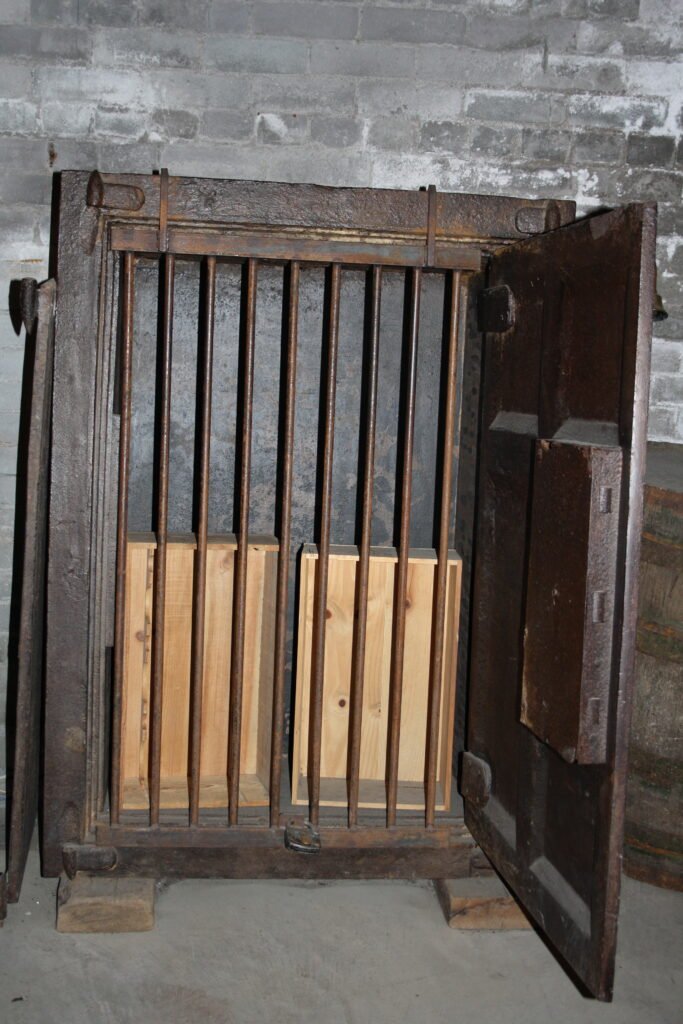
A sommelier is a trained wine professional responsible for curating, managing, and presenting a restaurant or retailer’s wine program.
Role and Responsibilities
Sommeliers build wine lists, train service staff, manage cellar inventory and storage conditions, and guide guests toward selections that suit their tastes and the food being served. In fine dining settings, the role extends to tableside service: opening and decanting bottles, describing character and provenance, and making pairing recommendations that complement each course.
Pairing Philosophy
Food and wine pairing rests on principles of complement and contrast: matching weight and intensity, echoing or cutting through fat and acidity, and considering how tannin, sweetness, and salt interact on the palate. A skilled sommelier adapts these principles rather than applying rigid rules, since regional and personal preferences vary widely.
Certification Pathways
Professional credentials such as those from the Court of Master Sommeliers or the Wine & Spirit Education Trust formalize the knowledge required, testing blind tasting ability, service technique, and theoretical knowledge of viticulture and winemaking across major regions.
Training and Blind Tasting
Sommelier training centers heavily on blind tasting, a disciplined method of identifying a wine’s grape variety, region, and approximate vintage without seeing the label, using a structured grid that moves from visual appearance through aroma and palate to a final conclusion. Candidates practice this skill for years, tasting thousands of wines across varied regions and styles to build the pattern recognition needed to reason through unfamiliar samples under exam pressure.
Cellar Management and Service
Beyond tasting skill, sommeliers manage physical cellar operations: maintaining stable temperature and humidity, tracking inventory turnover, and deciding which bottles are ready to drink versus which need further aging. During service, proper technique for opening, decanting, and pouring protects a wine’s presentation and avoids common errors such as excessive agitation that can prematurely blow off delicate aromatics in an older, fragile bottle.
Career Paths and Industry Role
Sommeliers work across restaurants, hotels, importers, and retail shops, with career paths ranging from floor-level wine service to director of wine roles overseeing multi-property beverage programs and purchasing decisions. Many sommeliers also work as consultants, educators, or competition judges, and the most prominent credential holders, such as Master Sommeliers, often command significant influence over which producers and regions gain visibility in a given market.
Challenges of the Profession
The role demands continuous education, since wine regions, vintages, and producer lineups change constantly, requiring sommeliers to retaste and update their knowledge far more often than a one-time certification would suggest. The profession has also faced scrutiny over accessibility and inclusivity within historically exclusive certification bodies, prompting newer organizations and mentorship programs aimed at diversifying who enters and advances within the field.
Global Reach and Cultural Exchange
Sommeliers increasingly work across international markets, interpreting wine lists that span dozens of countries and translating unfamiliar regional styles for guests accustomed to a narrower range of reference points. This global orientation has encouraged sommeliers to champion lesser-known regions, indigenous grape varieties, and emerging producers, broadening consumer palates beyond the small set of famous regions that historically dominated fine dining wine lists.
Technology in Wine Service
Digital inventory systems, wine-pairing software, and point-of-sale integrations now help sommeliers track thousands of bottles across storage locations, flagging aging windows and reordering needs automatically. Some restaurants use tablet-based wine lists with tasting notes and pairing suggestions that extend a sommelier’s guidance to tables they cannot personally visit during a busy service, supplementing rather than replacing direct human expertise.
Mentorship and Knowledge Transfer
Much sommelier knowledge still passes through informal mentorship, with senior sommeliers guiding junior staff through tasting sessions, cellar walks, and real service scenarios that no textbook can fully replicate. Wine competitions and tasting groups outside formal workplaces also provide ongoing peer learning environments where sommeliers at different career stages exchange notes, challenge one another’s palates, and stay current on emerging producers and vintages across constantly shifting markets.
Compensation and Gratuity Models
Sommelier compensation varies widely by market and establishment, often combining a base salary with gratuity-sharing arrangements tied to wine sales, which can create tension between guiding guests toward genuinely suitable pairings and steering them toward higher-margin bottles. Leading restaurants increasingly address this by separating service incentives from upselling pressure, recognizing that long-term guest trust depends on recommendations guests believe are made in their own interest rather than the house’s bottom line.
Lasting Relevance of the Role
Despite predictions that algorithmic recommendation engines might someday replace human wine guidance, the sommelier role has persisted and even grown in prestige, since the nuanced judgment required to read a guest’s mood, budget, and taste preferences in real time remains difficult to automate convincingly, and the theatrical, hospitable element of tableside service continues to be something diners specifically seek out and value at fine restaurants.
As dining trends continue toward storytelling and personalized experience, the sommelier remains a key bridge between a bottle’s technical and historical detail and the simple human pleasure of sharing a well-chosen glass of wine.
Guests who once viewed wine ordering as intimidating increasingly rely on this guidance to explore unfamiliar styles with confidence, reinforcing the value a knowledgeable sommelier adds well beyond simply fetching a bottle from the cellar.
This blend of technical mastery, hospitality instinct, and constant curiosity is what separates a competent wine server from a true sommelier.
Guests fortunate enough to work with one leave the table having learned something new, often returning specifically to taste what else that sommelier might recommend next time.
That blend of knowledge and genuine hospitality is what guests remember long after the bottle itself is finished.
Key facts
- Advises on wine selection and pairing;Manages restaurant wine programs and cellars;Certified through bodies like the Court of Master Sommeliers
Quick checkWhat is the primary role of a sommelier in a restaurant?Show answer
Curating and managing the wine program and guiding guests toward suitable pairings
Sources
- Court of Master Sommeliers; Wine & Spirit Education Trust
Editorially reviewed by Specialty Digest Editorial TeamLast reviewed November 3, 2026Researched and drafted with AI assistanceReport an issue