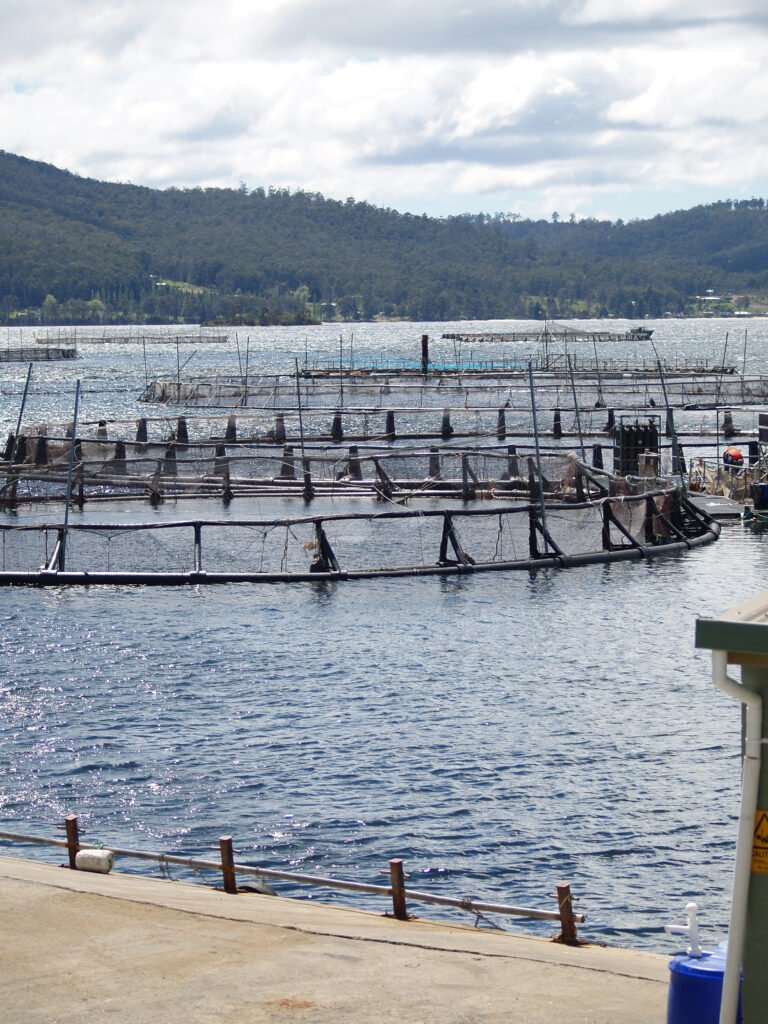
Fish farming, also called aquaculture when applied to finfish, is the practice of raising fish in controlled environments such as ponds, tanks, cages, or enclosed sections of lakes and coastal waters, rather than catching them from wild populations. It now supplies more than half of all fish consumed by people worldwide, a dramatic shift from a few decades ago when most seafood came entirely from wild capture.
Main Production Systems
Pond-based fish farming remains the most widespread method globally, particularly for species like carp and tilapia in Asia, while net pen systems suspend cages in open water bodies such as coastal bays or lakes to raise species like salmon. Land-based tank systems offer the greatest control over water quality and biosecurity but require more energy and infrastructure investment than simpler pond or cage systems.
Common Farmed Species
Carp species dominate global fish farming production by volume, especially in China, while tilapia has become one of the most widely farmed fish internationally due to its fast growth, tolerance of varied water conditions, and mild flavor that suits many cuisines. Salmon farming, concentrated in Norway, Chile, and a handful of other coastal nations, represents a smaller share of global production by weight but a disproportionately large share by economic value.
Feed and Growth Management
Farmed fish are typically fed manufactured pellets formulated to match each species’ nutritional needs at different life stages, and feed costs often represent the single largest ongoing expense in fish farming operations. Farmers carefully manage stocking density, water oxygen levels, and temperature, since each affects growth rates and overall fish health within the confined conditions of a farm.
Environmental and Disease Considerations
Fish farms concentrated in a small area can produce waste and uneaten feed that affect surrounding water quality if not properly managed, and dense stocking can make farmed populations more vulnerable to rapidly spreading disease or parasites compared with naturally dispersed wild fish. Many farms now use health monitoring, selective breeding for disease resistance, and improved site management to reduce these risks.
Role in Global Food Supply
Fish farming has grown faster than almost any other major food production sector over the past several decades, helping meet rising global demand for protein without placing all of that pressure on already strained wild fish stocks. Continued growth is expected, particularly in Asia and parts of Africa, as governments and development organizations increasingly view aquaculture as central to future food security.
Regional Production Patterns
China produces by far the largest volume of farmed fish in the world, followed by other major Asian producers including India, Indonesia, and Vietnam, reflecting the long history and well-developed infrastructure for fish farming across the region. Norway and Chile lead global production of farmed salmon specifically, benefiting from coastal geography well suited to net pen aquaculture and decades of accumulated technical expertise in that particular species.
Market and Trade Dynamics
Farmed fish increasingly compete directly with wild-caught seafood in major consumer markets, and in many cases farmed products now offer more price stability and predictable year-round supply than wild fisheries, which can fluctuate significantly based on natural population cycles and weather. International trade in farmed seafood, particularly salmon and shrimp, has grown into a substantial global industry linking production regions with major consumer markets in North America, Europe, and increasingly Asia itself.
Certification and Consumer Trust
Third-party certification programs for farmed fish, similar to those used for wild-caught seafood, have emerged to give consumers assurance about environmental practices, feed sourcing, and fish welfare on certified farms. Major retailers in North America and Europe increasingly require such certification from their seafood suppliers, creating commercial pressure for farms to adopt improved practices even where no legal mandate exists.
Looking Ahead
Continued genetic improvement, more sustainable feed formulations, and expansion of recirculating and offshore systems are all expected to shape the next phase of fish farming growth, as the industry works to meet rising global seafood demand while addressing environmental and welfare concerns. Many analysts expect farmed fish to supply an even larger share of global seafood consumption in the coming decades as wild fisheries face natural limits on how much additional catch they can sustainably provide.
Related Specialties
Fish farming draws on veterinary science, nutrition research, and environmental engineering together, reflecting how broad a discipline aquaculture has become as it has matured from a relatively simple practice into a technically sophisticated global industry.
Economic Considerations
Fish farming economics hinge heavily on feed costs, which typically make up fifty to seventy percent of total production expenses depending on the species and system. Capital costs vary enormously by method: a simple earthen pond operation requires far less upfront investment than a recirculating system or an offshore cage array, but the more intensive systems often deliver higher yields per unit of water and land, which can offset their higher starting costs over time. Market access matters just as much as production efficiency, since fish are perishable and farms located far from processing plants or urban markets often struggle to capture the same prices as those with shorter supply chains. Currency fluctuations and feed ingredient prices, many of which are traded internationally, add another layer of risk that farm operators have to manage alongside the biological challenges of raising a healthy crop. Insurance products for aquaculture remain less developed than for traditional agriculture in many regions, leaving many farmers more exposed to disease outbreaks or extreme weather events than their land-based counterparts.
Workforce and Training
Running a modern fish farm increasingly calls for a mix of traditional husbandry skill and technical know-how, since operators must monitor water chemistry, interpret sensor data, and manage feeding systems alongside the day-to-day work of handling stock. Many countries have developed dedicated aquaculture training programs through agricultural colleges and technical institutes to help meet this growing demand for skilled farm labor and site managers.
Key facts
- Now supplies more than half of global fish consumption.|Common systems include ponds, net pens, and land-based tanks.|Carp and tilapia dominate global production by volume.|Feed typically represents the largest ongoing cost.
Quick checkWhat is the difference between fish farming and wild fishing?Show answer
Fish farming raises fish in controlled environments like ponds or tanks, while wild fishing catches fish directly from natural, unmanaged populations.
Sources
- FAO Fisheries and Aquaculture Department
Editorially reviewed by Specialty Digest Editorial TeamLast reviewed November 3, 2026Researched and drafted with AI assistanceReport an issue