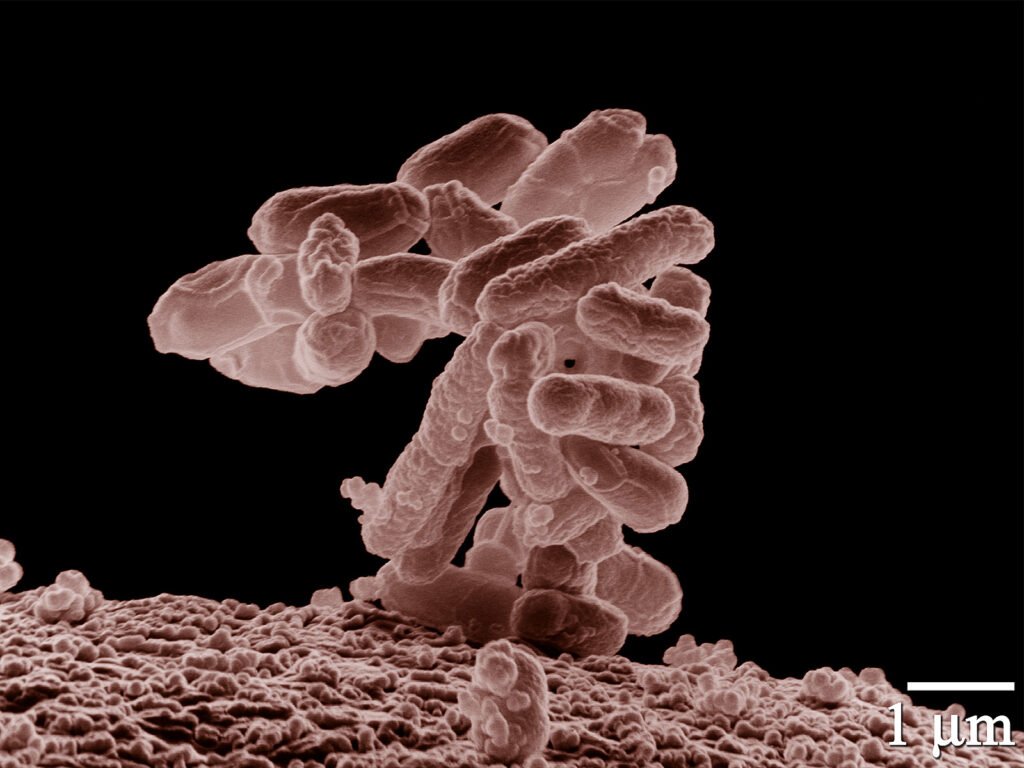
The human body is home to trillions of microbes, and the largest community lives in the digestive tract. Together they form the gut microbiome. Earlier methods relied heavily on growing microbes in a lab, which missed much of the picture. Modern DNA sequencing changed that, and one project in particular mapped the territory: the Human Microbiome Project run by the U.S. National Institutes of Health.
What is the gut microbiome?
The microbiome is the community of microorganisms that lives in and on the body. In the gut it is made up mostly of bacteria, alongside other microbes. The community behaves like a small ecosystem, with species competing, cooperating and responding to what the host eats. The project’s finding that the gut favors the breakdown of complex carbohydrates points to one of its main jobs, which is processing food the body cannot handle alone.
What was the Human Microbiome Project?
The NIH Human Microbiome Project, described in a 2009 overview in Genome Research, set out to characterize the human microbiome with high-throughput sequencing. Its stated goals were to:
- Sample multiple body sites from at least 250 normal volunteers
- Test for links between changes in the microbiome and health or disease across several medical conditions
- Provide a standardized data resource and new technology for the wider scientific community
- Study the ethical, legal and social implications of the research
The ultimate objective, in the project’s own words, was to demonstrate that there are opportunities to improve human health through monitoring or manipulating the microbiome.
How did researchers study it?
A 2012 paper in PLoS Biology by Gevers and colleagues describes the community resource that came out of the project. Researchers sampled five major body areas: the airways, skin, oral cavity, gastrointestinal tract and vagina. They used standardized protocols for collecting and handling samples, then ran two kinds of sequencing. The first, 16S profiling, identifies which bacteria are present. The second, deep metagenomic sequencing, reads the DNA of whole communities.
Sequencing took place at four centers: Baylor College of Medicine, the Broad Institute, the J. Craig Venter Institute and Washington University Genome Institute. The project deposited 7.44 terabases of shotgun sequence data in a public archive. About 49 percent of it comes from the human host and is available only through protected access, a reminder that the ethical and social questions listed among the project’s goals were practical, not abstract. The collection is an early example of big data in biology.
What did the project find?
Three findings stand out from the 2012 paper.
- High variation between people: the study confirmed high inter-individual variation, so no two microbiomes look alike
- No tidy categories: gut communities rarely form discrete types, and key organisms instead show smooth gradients of abundance
- A shared functional core: the metabolic pathways microbes need to live were consistently present at all body sites, though the specific genes carrying them out varied between people
The paper also noted that rare organisms are important reservoirs of genetic diversity, which means that species present in tiny numbers still add to what the community can do.
How does the gut differ from other body sites?
Each site has a distinct job for its microbes, shaped by what is available to eat. The paper reports that the oral cavity favors the use of simple sugars, the gut favors the breakdown of complex carbohydrates, and the vagina favors the breakdown of glycogen and peptidoglycan. Complex carbohydrates include the plant material known as dietary fiber, which human enzymes cannot fully digest. That is why gut microbes matter for how the body gets energy from food.
Why does the gut microbiome vary between people?
The Gevers paper attributes fine-grained differences to genetics, early-life events, diet, and medication and immunological exposures. The paper does not rank these factors, and researchers continue to study how much each one matters. Because the same metabolic functions appear in everyone while the genes behind them differ, two people can have quite different microbes that still do similar work. This is one reason scientists look at function as well as species names.
What is still unknown?
The project confirmed that communities vary widely between healthy people, which makes it hard to define a single normal gut microbiome. That is why claims that a specific microbiome profile causes or cures a disease deserve caution. The project’s goal of testing links between microbiome changes and disease was a starting point, not a final answer, and evidence on individual conditions differs in strength. Anyone with digestive symptoms or a health decision to make should speak with a qualified clinician instead of relying on general descriptions like this one.
Microbiome vs. microbiota
The two words are often used interchangeably in the press. Many scientists use microbiota for the organisms themselves and microbiome for the organisms together with their genes and surroundings, but usage varies between papers, so it is worth reading how each author defines the term.
Frequently asked questions
Where in the body is the microbiome found?
The project sampled five major areas: airways, skin, oral cavity, gastrointestinal tract and vagina.
Is everyone’s gut microbiome the same?
No. The Human Microbiome Project confirmed high variation between individuals.
What is 16S profiling?
It is a sequencing method that identifies which bacteria are present in a sample. Deep metagenomic sequencing goes further and reads the DNA of whole communities.
What affects the microbiome?
The 2012 paper points to genetics, early-life events, diet, medication and immunological exposures.
Can the microbiome be changed?
The project’s ultimate goal was to explore ways to monitor or manipulate it to improve health. What works for which condition is still being studied.