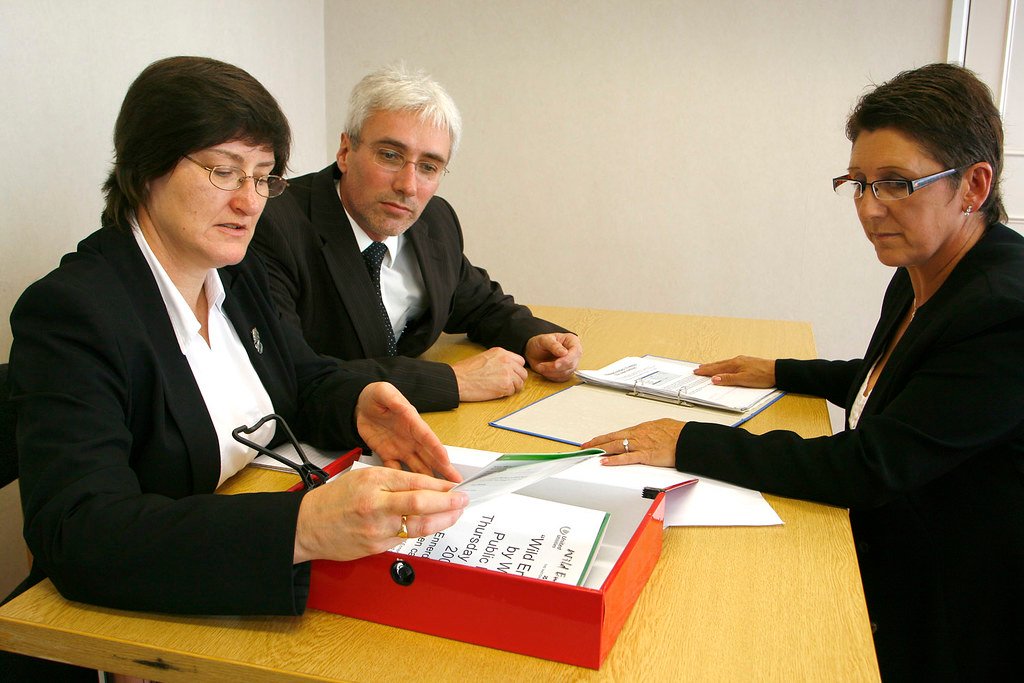
Effective feedback is specific, close to the moment it describes, and structured around a concrete behavior rather than a general judgment — not more frequent one-on-ones for their own sake. Ask employees what they want most from their managers, and “more feedback” almost always makes the list, yet only about one in four say the feedback they actually get is valuable. The gap is in how it’s built, not how often it’s scheduled.
Why so much feedback falls flat
Vague praise (“great job on that”) and vague criticism (“you need to be more strategic”) both fail for the same reason: they describe a judgment, not a behavior. The person hearing it has no idea what to repeat or what to change. Research summarized by Harvard Business Review notes that organizations leaning too hard on strengths-based coaching can accidentally convince people they have nothing left to improve, which quietly stalls development. Good feedback, by contrast, is concrete enough that two different people watching the same moment would describe it the same way.
The SBI method: situation, behavior, impact
One of the most widely taught frameworks for structuring feedback is Situation-Behavior-Impact, or SBI. First, name the specific situation — the meeting, the client call, the deadline. Second, describe the observable behavior: only what was said or done, not your interpretation of intent. Third, explain the impact — how that behavior affected the project, the team, or how you felt. “In yesterday’s client call, when you interrupted Maria twice before she finished her point, I noticed the client stopped offering opinions” is far more useful than “you dominated that call.” The structure keeps feedback anchored in fact instead of character judgment, which is what makes it land without triggering a defensive reaction.
Why timing matters almost as much as wording
Gallup research on workplace feedback has found that employees who receive feedback weekly are far more likely to be engaged than those who hear from their manager only once a year — not a small edge, but closer to a tenfold gap in engagement rates. Employees who say the feedback they get is genuinely valuable are also markedly less likely to report burnout or to be job hunting. None of that requires overhauling a performance review system; it just means treating feedback as a running conversation instead of an annual event.
Pair it with recognition, and end it as a question
Constructive feedback works best when it isn’t the only thing an employee hears. Gallup’s data shows engagement climbs highest among employees who get both regular feedback and regular recognition — meaningfully higher than feedback alone. That doesn’t mean softening honest input; it means making sure people also hear specifically what’s working, in the same SBI structure, so the relationship isn’t defined only by correction.
The best feedback exchanges also end with a question, not a verdict. Asking “how did that land?” or “what got in the way?” turns a one-directional judgment into a two-way exchange, and gives the manager a chance to catch when their own read of a situation was incomplete. Delivered this way — specific, timely, paired with recognition, and open to response — feedback stops feeling like a performance review and starts doing what it’s actually for: helping someone do their best work.