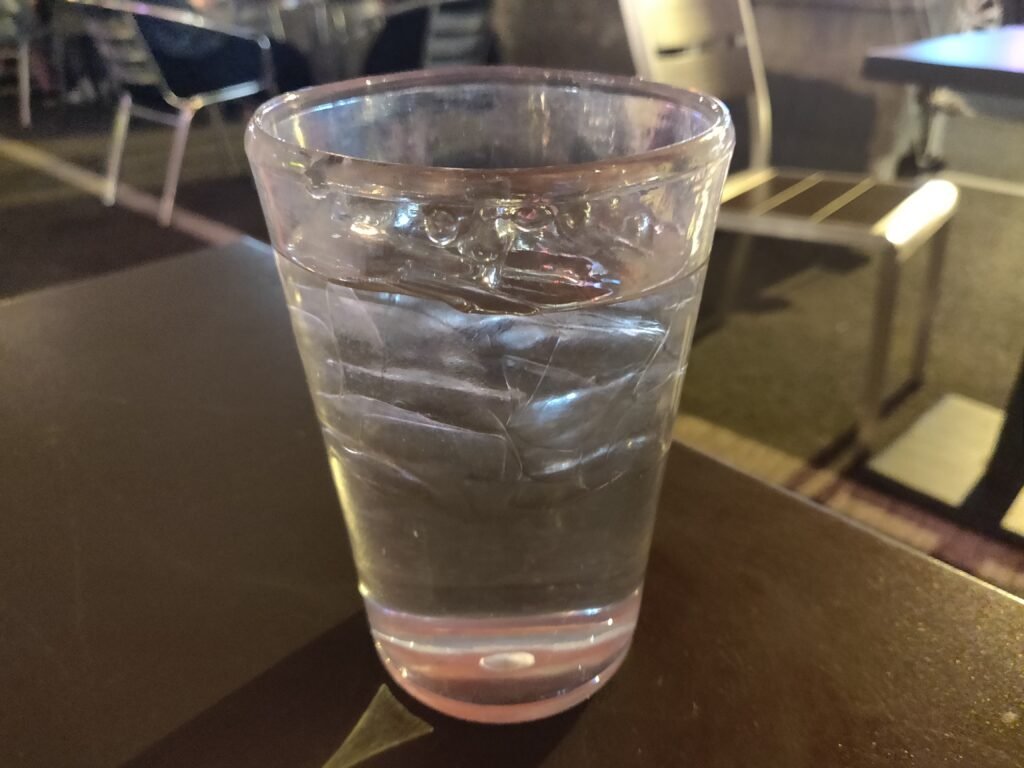
Not exactly — and the science behind daily water needs is more specific than “eight glasses a day” suggests. There’s no single hydration rule that fits every body, but major health bodies have worked out ranges that are considerably more useful than the old rule of thumb — and those ranges count more than just the water you drink from a glass.
Where “8 Glasses a Day” Actually Came From
The advice to drink eight 8-ounce glasses of water daily traces back to a 1945 U.S. Food and Nutrition Board recommendation that was misquoted for decades. That original guidance also noted that most of that water is already contained in prepared food — a detail that got lost as the “8×8” rule spread on its own. It survives because it’s simple and memorable, not because it was ever designed as a precise target for every adult.
What the Real Numbers Look Like
The U.S. National Academies of Sciences, Engineering, and Medicine estimates adequate daily fluid intake at about 15.5 cups (3.7 liters) for men and 11.5 cups (2.7 liters) for women, counting fluid from all beverages and food combined. The University of Rochester Medical Center translates that to roughly 92 to 124 ounces a day for the average adult in a temperate climate, before accounting for exercise, heat or health conditions. Mayo Clinic offers a similar range: about 11.5 to 15.5 cups of total fluid for a healthy adult. None of these figures is a strict quota — they’re starting points that shift with the person and the day.
Food and Drinks Other Than Water Count Too
A meaningful share of daily hydration doesn’t come from a glass at all. Mayo Clinic notes that food supplies about 20% of total water intake, with fruits and vegetables like watermelon, cucumber and lettuce running well over 90% water by weight. Coffee, tea, milk and other beverages count as well. Caffeinated drinks have a mild diuretic effect, but because they’re still mostly water, that effect is largely offset in people who drink them at ordinary levels — meaning a morning coffee isn’t working against your hydration in any significant way.
When Your Body Needs More
Water needs climb with heat, humidity, altitude, illness and physical activity. As a rough guide, the University of Rochester Medical Center suggests drinking about 24 ounces of water for every pound of body weight lost during exercise. Heavy sweating that leaves visible salt stains on clothing can also signal a need for electrolyte replacement — sports drinks or salty snacks, not just plain water. Pregnancy, breastfeeding, fever, vomiting and diarrhea likewise raise fluid needs, and Mayo Clinic notes that certain bladder or urinary tract infections may call for additional fluids as well.
The Simplest Way to Check You’re Getting Enough
Rather than tracking ounces all day, both institutions point to two practical signals: mild or absent thirst, and urine that’s colorless to light yellow. Persistent thirst, headache, fatigue, dizziness and dark yellow urine are common markers of inadequate hydration. Thirst is a useful cue, but it tends to lag slightly behind the body’s actual needs — which is one reason plain awareness of urine color and general well-being remains a more reliable everyday gauge than any fixed number of glasses.