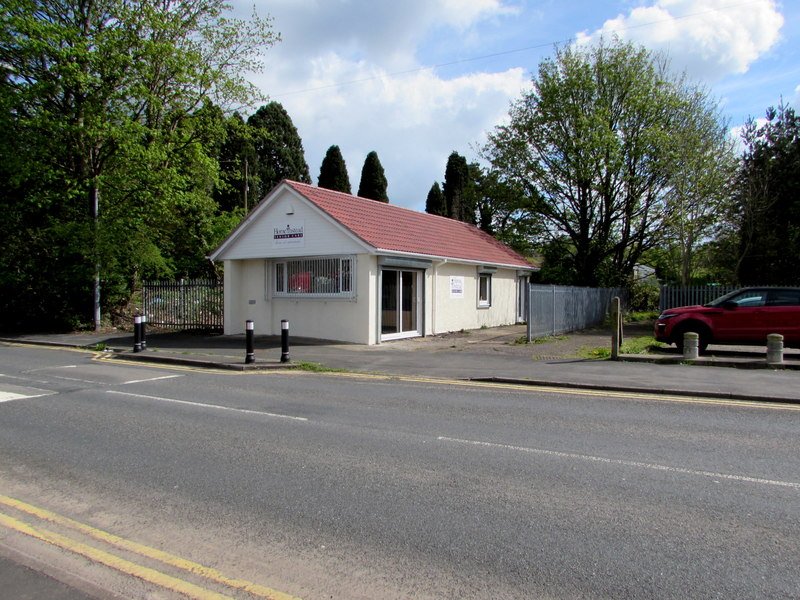
Aging in place describes the ability to live safely and independently in ones own home and community as one grows older, rather than relocating to an institutional care setting such as a nursing facility. Surveys of older adults consistently find this to be the strongly preferred option, driving demand for services and home modifications that support it.
Home Modifications
Common modifications that support aging in place include installing grab bars in bathrooms, adding ramps to eliminate steps, widening doorways for wheelchair access, and improving lighting to reduce fall risk. These modifications are often far less costly than a move to residential care, making them an attractive investment for many families planning for long-term needs.
Supporting Services
Aging in place typically relies on a network of supporting services beyond the physical home itself, including home-delivered meal programs, transportation assistance for medical appointments and errands, and in-home personal care aides who help with bathing, dressing, and other daily activities that become more difficult over time.
Technology Supporting Aging in Place
A growing range of technology supports aging in place, including medical alert systems that connect to emergency services with the press of a button, medication reminder devices, and remote monitoring systems that can alert family members to unusual changes in activity patterns that might indicate a fall or health decline. Adoption of these tools varies widely based on cost, ease of use, and an older adults comfort with technology.
When Aging in Place Is Not Feasible
Despite its popularity, aging in place is not always feasible, particularly when an individuals care needs exceed what home-based services and family support can safely provide, or when a home itself cannot be adequately modified for mobility or safety needs, prompting a transition to a residential care setting that families often approach with considerable emotional difficulty.
Universal Design Principles
Universal design principles, which aim to make homes usable by people of all ages and ability levels without requiring later retrofitting, have gained attention among builders and renovators as a proactive approach to aging in place, incorporating features like step-free entries and wider hallways into new construction rather than adding them reactively after a mobility change occurs.
Community-Level Support
Beyond individual homes, some communities have adopted broader aging-in-place initiatives, including villages or naturally occurring retirement community programs that coordinate volunteer and paid services across a neighborhood, recognizing that aging in place depends not just on a persons own home but on the surrounding community remaining supportive and accessible as residents age.
Transportation as a Key Barrier
Transportation is consistently identified as one of the most significant practical barriers to aging in place, since giving up driving, whether voluntarily or due to a medical condition, can dramatically reduce an older adults ability to access medical care, groceries, and social activities unless reliable alternative transportation is available in their community.
Policy Support for Aging in Place
Some state and local governments have expanded funding for aging-in-place support services, recognizing that enabling older adults to remain at home is often less costly to public systems than institutional care, a cost argument that has helped build political support for expanding home and community-based services even in a generally constrained public budget environment.
The Role of Neighbors and Informal Networks
Beyond formal services, informal support from neighbors, friends, and community members plays a significant and often underappreciated role in enabling older adults to remain at home safely, from simply checking in regularly to helping with occasional tasks, a form of support that formal aging-in-place programs increasingly try to cultivate and organize rather than leave entirely to chance.
Fall Prevention as a Central Concern
Fall prevention sits at the center of most aging-in-place safety planning, since a serious fall is one of the most common events that forces an otherwise successful aging-in-place arrangement to end abruptly, prompting many programs to combine home modification with balance and strength exercise programs specifically designed to reduce fall risk before an incident occurs rather than only reacting afterward.
For many families, the combination of thoughtful home modification, reliable support services, and an engaged community makes aging in place a realistic goal well into advanced age.
Social Connection and Mental Health
Aging-in-place programs increasingly recognize that physical safety alone does not guarantee wellbeing, since isolation remains a serious risk for older adults living alone even in a well-modified, safe home, prompting many programs to intentionally build in social contact, such as regular friendly visitor check-ins, rather than focusing exclusively on physical safety and practical task support.
Looking Ahead
As aging-in-place becomes the preferred option for a growing share of older adults, communities and policymakers are rethinking infrastructure, zoning, and service delivery to support it. Innovations such as telehealth, remote monitoring sensors, and on-demand transportation services are expanding what is possible without relocation, while accessory dwelling unit reforms and universal design building codes aim to make more housing stock naturally accommodating for aging residents. At the same time, advocates caution that aging in place is not a one-size-fits-all solution, and that adequate support services, caregiver respite, and fallback plans for higher-need periods remain essential companions to any aging-in-place strategy.
Families weighing aging in place against a move to a care community often benefit from a trial period, such as arranging temporary in-home support, before committing to a long-term plan.
Home modification assessments conducted by occupational therapists can identify specific fall hazards and recommend targeted changes, often proving more cost-effective than a full renovation undertaken without professional guidance.
Neighbors and local volunteer networks can also play a meaningful role, offering informal check-ins that supplement formal services and help older adults maintain social connection while remaining in their own homes.
Key facts
- Array
In the news
Quick checkWhat do surveys consistently find about older adults preferences for where to live as they age?Show answer
Most older adults prefer to remain in their own home and community rather than move to an institutional care setting.
Sources
- Array
Editorially reviewed by Specialty Digest Editorial TeamLast reviewed November 4, 2026Researched and drafted with AI assistanceReport an issue