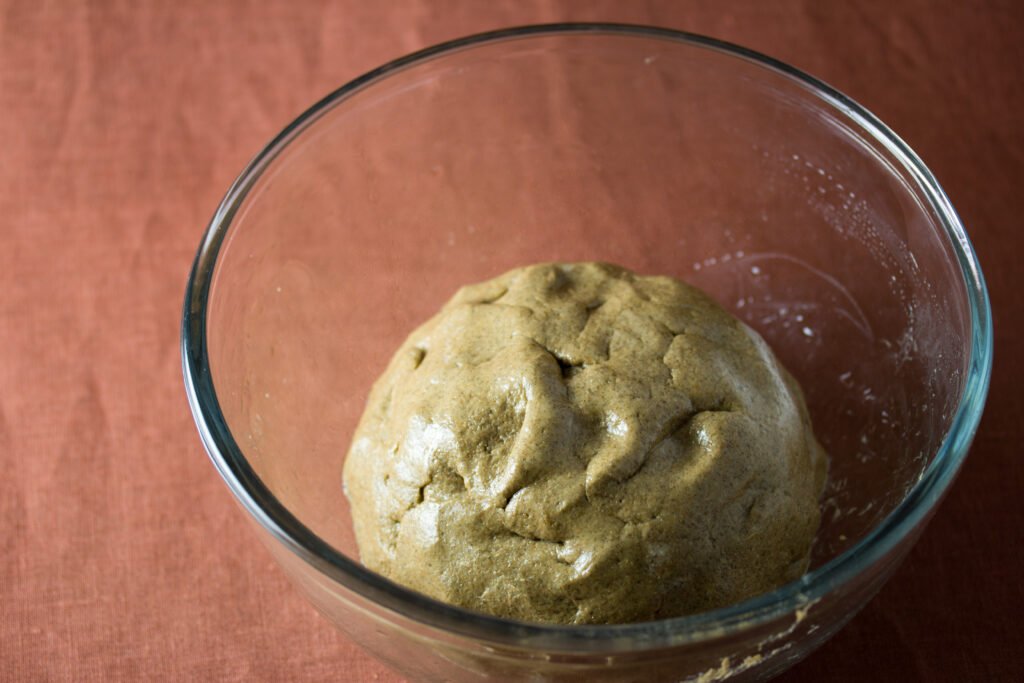
Baking science is the study of the chemical and physical reactions that transform raw doughs and batters into finished baked goods, explaining why precise measurement and technique matter more in baking than in most other cooking. Because baked goods rely on exact ratios of flour, fat, liquid, leavening, and sugar to set their final structure, small deviations can change texture dramatically in ways a simmered stew would never show.
Gluten and Structure
Gluten is a network of proteins, glutenin and gliadin, that forms when wheat flour is hydrated and mixed, giving dough elasticity and strength. Kneading develops this network further, which is desirable in bread, where a strong gluten structure traps gas and creates chew, but undesirable in cakes and pastries, where a tender crumb requires minimal gluten development. Bakers control gluten by choosing flour protein content, limiting mixing time, and adding fats that coat flour particles and physically block gluten strands from linking, a technique called shortening.
Leavening Agents
Chemical leaveners, baking soda and baking powder, release carbon dioxide through acid-base reactions, baking soda requiring an acidic ingredient to activate while baking powder contains its own acid. Biological leavening uses yeast, which ferments sugars and releases carbon dioxide along with flavor compounds, giving bread its characteristic taste over hours of fermentation. Mechanical leavening traps air through physical action, such as whipping egg whites into a meringue or creaming butter and sugar together, incorporating bubbles that expand with heat in the oven.
Heat Transformations
Starches gelatinize as they absorb water and heat, thickening batters and setting the crumb of cakes and breads. The Maillard reaction browns crusts and develops complex flavor when proteins and sugars react under heat, while caramelization separately browns sugars alone at higher temperatures. Gluten and egg proteins coagulate and set permanently once they pass a certain temperature, which is why an underbaked cake collapses but a properly baked one holds its structure after cooling. Oven temperature and humidity also affect outcomes directly, since too much heat sets a crust before the interior finishes rising, trapping an underbaked center beneath a hardened shell.
Common Baking Failures Explained
A dense, gummy cake often results from overmixing after flour is added, which develops gluten the recipe was not designed to contain, toughening what should be a tender crumb. A bread that fails to rise may have used yeast killed by water that was too hot, since yeast dies above roughly 140 degrees Fahrenheit, or may simply have been under-proofed, not given enough time for fermentation to produce sufficient gas. A collapsed souffle or cake usually means the structure, built from whipped egg foam or gluten, was not strong enough to support itself once it cooled and the trapped gas contracted. Understanding the underlying chemistry lets bakers diagnose these failures rather than guessing at fixes.
Altitude and Environmental Effects
At high altitude, lower air pressure causes leavening gases to expand faster and escape more easily, which is why recipes often fail unmodified above roughly three thousand feet and require adjustments such as reduced leavening, increased liquid, or a slightly higher oven temperature to set structure before gas escapes. Humidity affects baking as well, since flour absorbs ambient moisture and can behave differently in a humid kitchen than in a dry one, sometimes requiring bakers to adjust liquid amounts slightly based on conditions rather than following a recipe’s exact measurements every time.
Professional Baking Education
Because baking rewards precision, professional pastry programs emphasize weighing ingredients by mass rather than measuring by volume, since a cup of flour can vary significantly in weight depending on how it was scooped, while a gram of flour is always the same regardless of technique. This emphasis on exact measurement, alongside a strong grounding in the underlying chemistry covered above, is what distinguishes formal pastry education from home baking, where approximate measurement and trial-and-error adjustment are far more common and tolerated.
Sugar’s Structural Role
Beyond sweetness, sugar performs structural functions in baking that are easy to overlook, including tenderizing crumb by competing with flour for available water, promoting browning through caramelization and the Maillard reaction, and helping stabilize whipped egg foams in cakes and meringues by strengthening the protein film around each air bubble. Reducing sugar in a recipe without adjusting other ingredients often produces a drier, tougher, less browned result than the sugar content alone would suggest, which is why substituting sugar in baking is considerably more complicated than substituting it in a beverage or sauce.
Fat’s Role in Texture
Fat contributes to tenderness by coating flour proteins and physically limiting gluten formation, while also carrying flavor and contributing to moistness that persists after baking. Butter, solid at room temperature, traps air when creamed with sugar, aiding mechanical leavening, while liquid oils cannot trap air the same way but produce an especially moist, tender crumb since they coat flour more thoroughly than solid fat worked into a dough. The choice between butter, oil, and shortening in a given recipe reflects a deliberate tradeoff between flavor, texture, and structural behavior that professional bakers learn to predict rather than discover by accident.
Egg Proteins and Emulsions in Baking
Eggs serve several distinct structural roles simultaneously, binding ingredients together, providing moisture, emulsifying fat and water-based components, and contributing to leavening when whipped. Egg whites alone whip into a stable foam that can leaven angel food cake almost entirely on its own, without any chemical leavening agent at all, demonstrating how thoroughly baking science depends on manipulating protein structure rather than simply combining flavorful ingredients.
Key facts
- Gluten gives dough elasticity; bakers control its development by mixing time and fat.nBaking soda, baking powder, and yeast are the three main leavening categories.nStarch gelatinization and protein coagulation set a baked good's final structure.nPrecise measurement matters more in baking than in most other cooking.
Quick checkWhat is the difference between baking soda and baking powder?Show answer
Baking soda needs an added acidic ingredient to release carbon dioxide, while baking powder already contains its own acid and activates with just liquid and heat.
Sources
- On Food and Cooking by Harold McGee, Culinary Institute of America
Editorially reviewed by Specialty Digest Editorial TeamLast reviewed November 3, 2026Researched and drafted with AI assistanceReport an issue