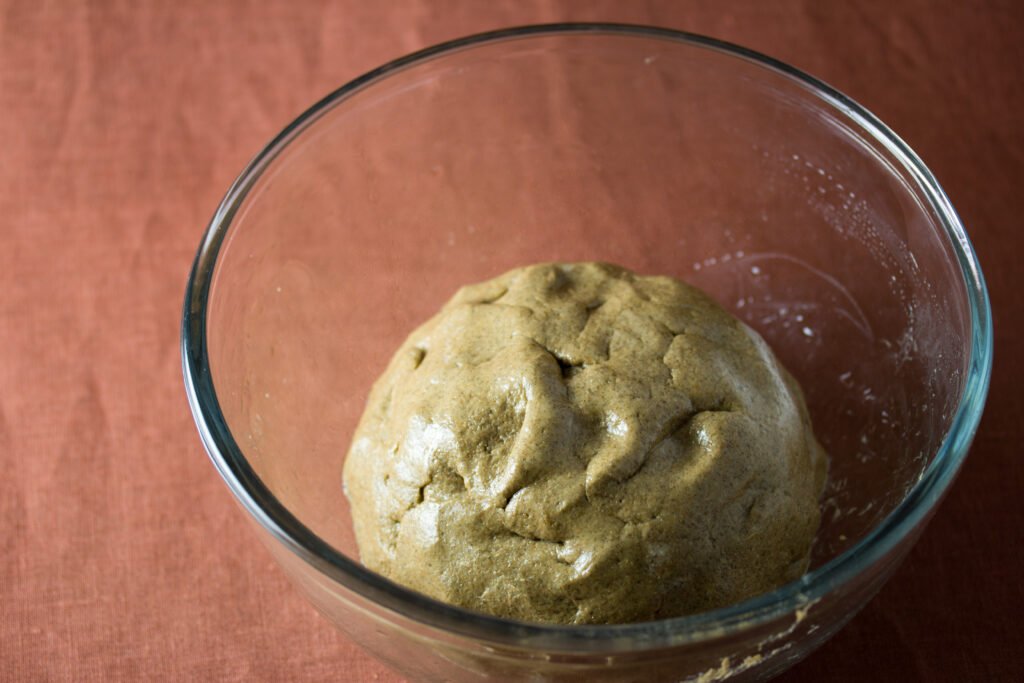
Baking science is the study of the chemical and physical reactions that transform raw doughs and batters into finished baked goods, explaining why precise measurement and technique matter more in baking than in most other cooking. Because baked goods rely on exact ratios of flour, fat, liquid, leavening, and sugar to set their final structure,
Baking Science Read More »
The study of chemical and physical reactions that transform doughs and batters into finished baked goods.
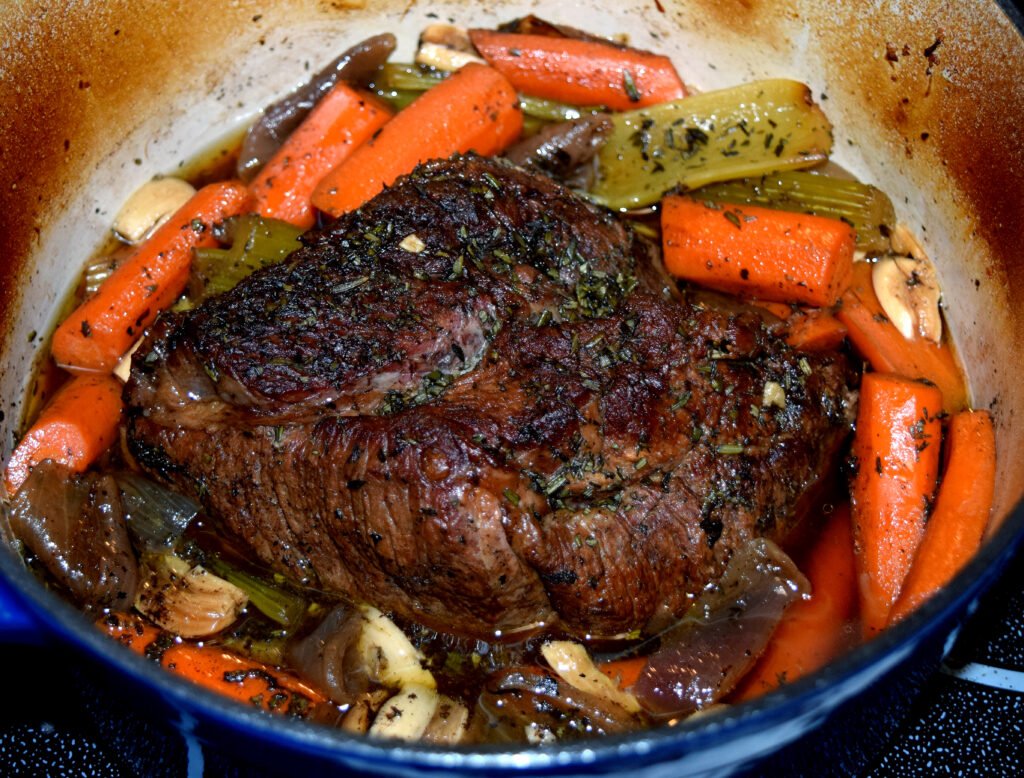
Braising is a combination cooking method that sears food at high heat and then finishes it slowly in a small amount of liquid at low temperature, typically in a covered pot. The technique is especially suited to tough cuts of meat and fibrous vegetables, since prolonged moist heat breaks down connective tissue that dry, quick
Braising Read More »
A cooking method that sears food, then finishes it slowly in liquid at low heat to tenderize tough cuts.
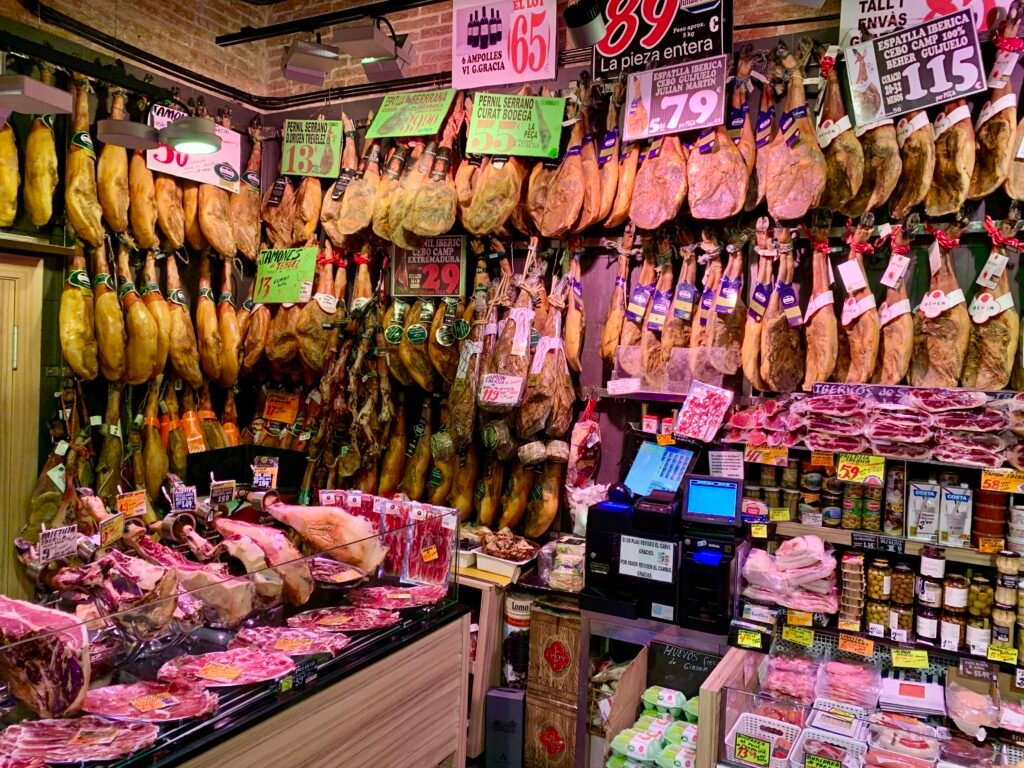
Charcuterie is the branch of culinary practice devoted to preparing and preserving meat, most often pork, through techniques such as curing, smoking, and sausage-making. The word comes from French, combining chair, meaning flesh, and cuit, meaning cooked, and originally described the shops that specialized in prepared pork products before refrigeration existed. Core Preservation Methods Curing
Charcuterie Read More »
The culinary practice of preparing and preserving meat, usually pork, through curing, smoking, and sausage-making.
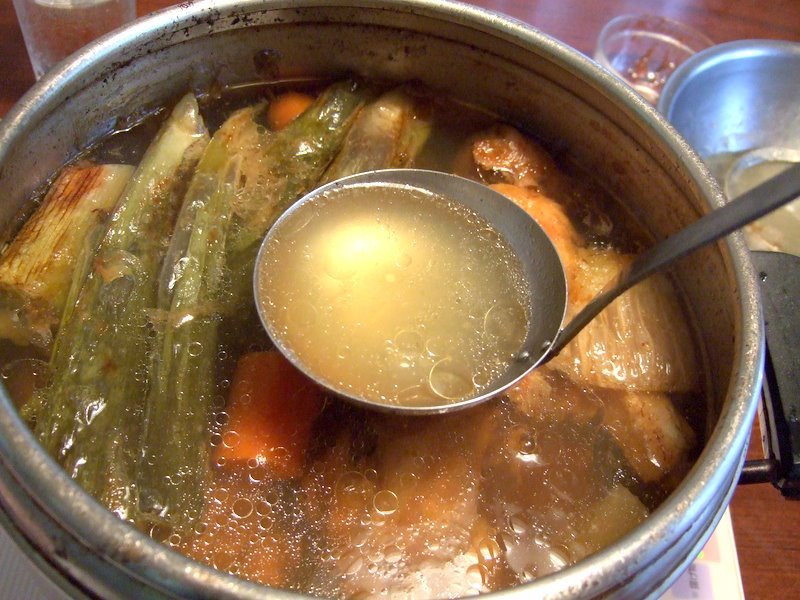
Culinary stock is a flavorful liquid made by simmering bones, meat, vegetables, or seafood in water, forming the foundation for soups, sauces, and braises across most professional kitchens. Unlike broth, which is typically seasoned and served as is, stock is left unseasoned so it can be reduced or combined freely without concentrating excess salt. Types
Culinary Stock Read More »
A flavorful, unseasoned liquid made by simmering bones, meat, or vegetables, used as a base for sauces and soups.
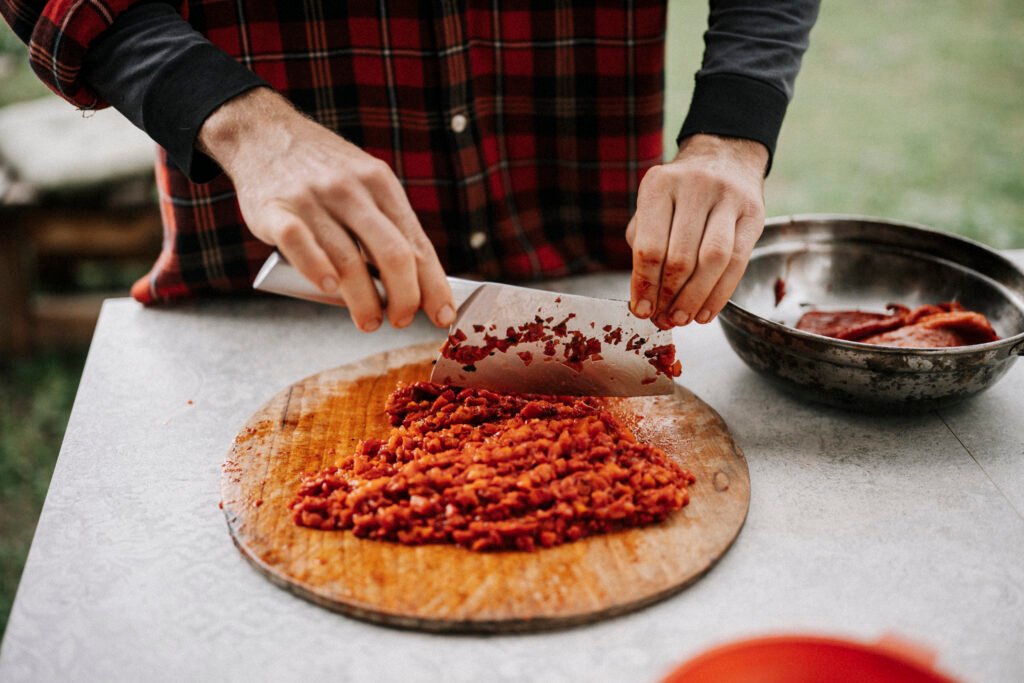
Knife skills are the set of grip, cutting, and safety techniques cooks use to turn whole ingredients into precise, consistent pieces. The discipline covers how a cook holds a knife, how the guiding hand controls the food, and the cuts named for their resulting shape, from a fine brunoise to a rough chop. Grip and
Knife Skills Read More »
The grip, cutting, and safety techniques cooks use to turn ingredients into precise, consistent shapes.
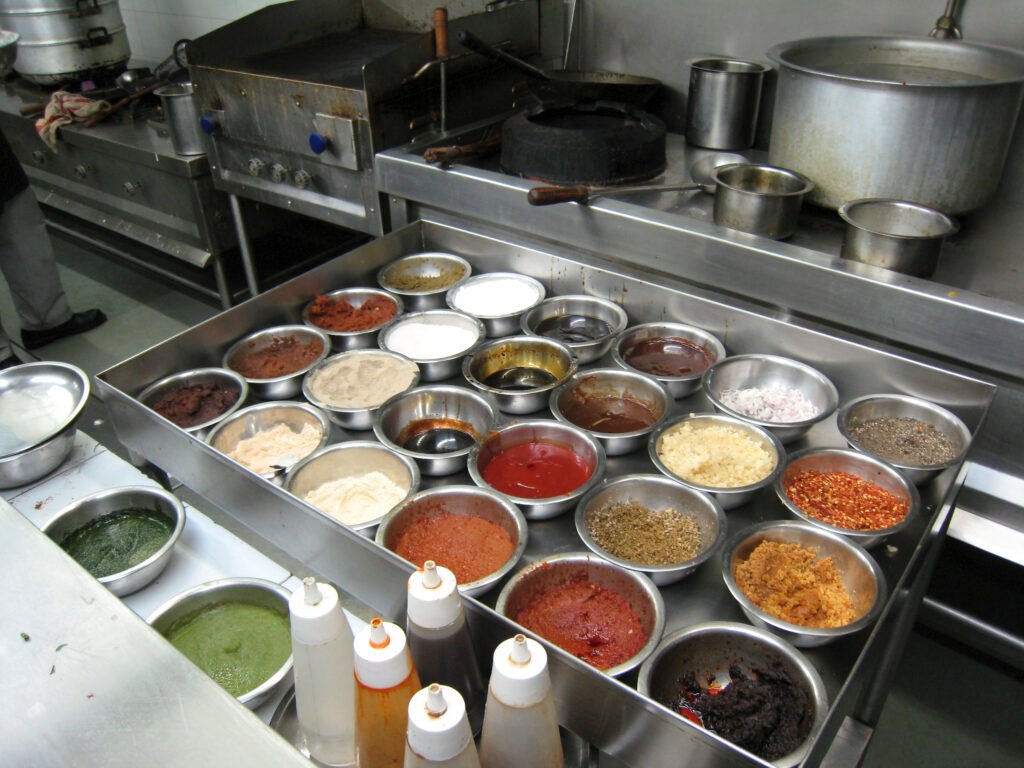
Mise en place, a French culinary term meaning putting in place, refers to the practice of organizing and preparing all ingredients, tools, and equipment needed for a cooking task before actual cooking begins, a foundational discipline taught in professional culinary training that underlies efficient, organized kitchen operation at every level from home cooking to high-volume
Mise en Place Read More »
A French culinary term for organizing and preparing all ingredients, tools, and equipment before cooking begins.
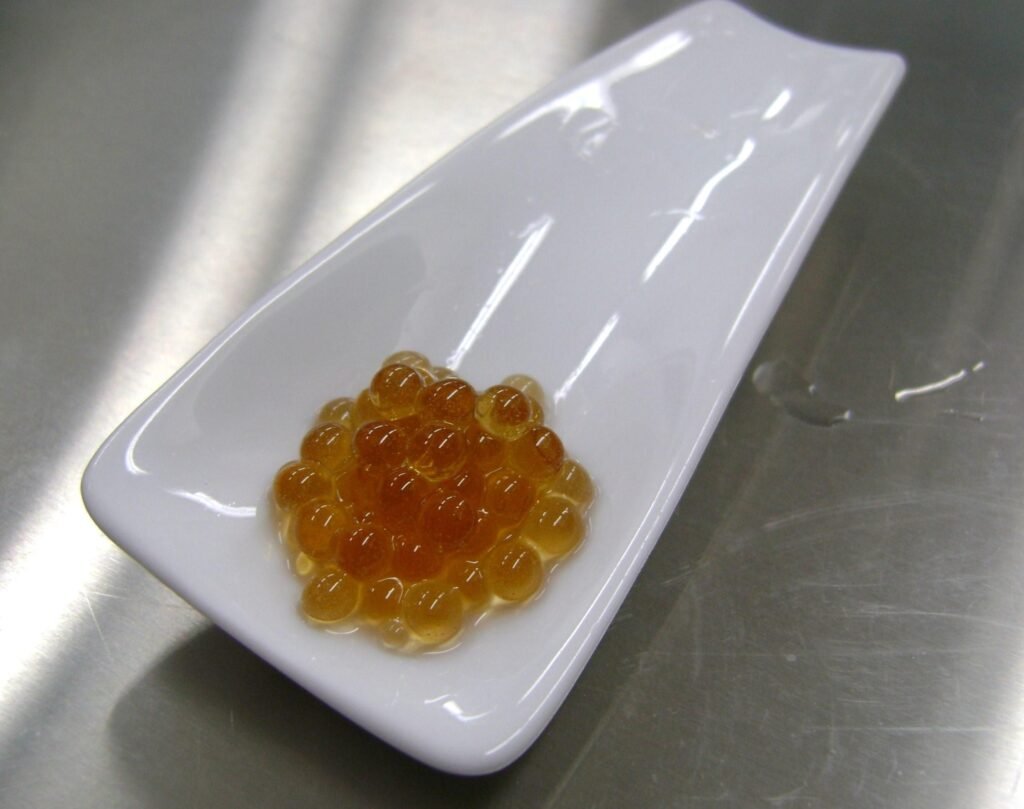
Molecular gastronomy is the scientific study of the physical and chemical transformations that occur during cooking, applied by chefs to create dishes that play with texture, temperature, and form. The term was coined in 1988 by physicist Nicholas Kurti and chemist Herve This, who wanted a formal discipline to explain why classic techniques worked and
Molecular Gastronomy Read More »
The scientific study of physical and chemical changes in cooking, used to create novel textures and dishes.
A mother sauce is one of a small set of foundational sauces in classical French cuisine from which many smaller, derivative sauces are built. The chef Auguste Escoffier codified the system in the early twentieth century, organizing French sauce-making into a teachable structure still used in culinary schools today. The Five Mother Sauces Bechamel is
Mother Sauce Read More »
One of five foundational French sauces, codified by Escoffier, from which many derivative sauces are built.
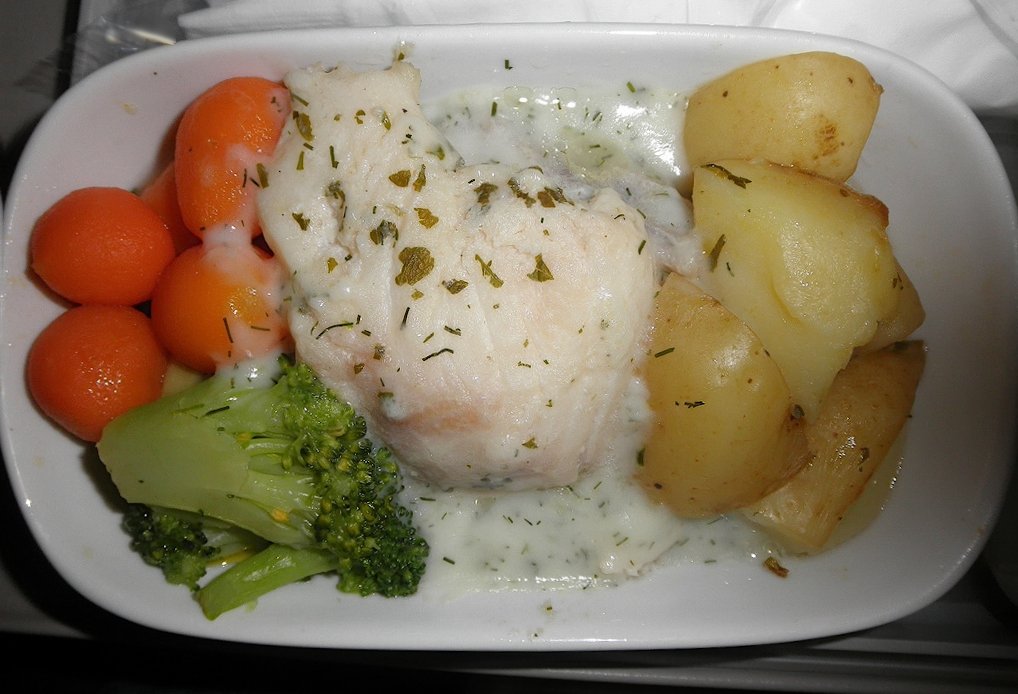
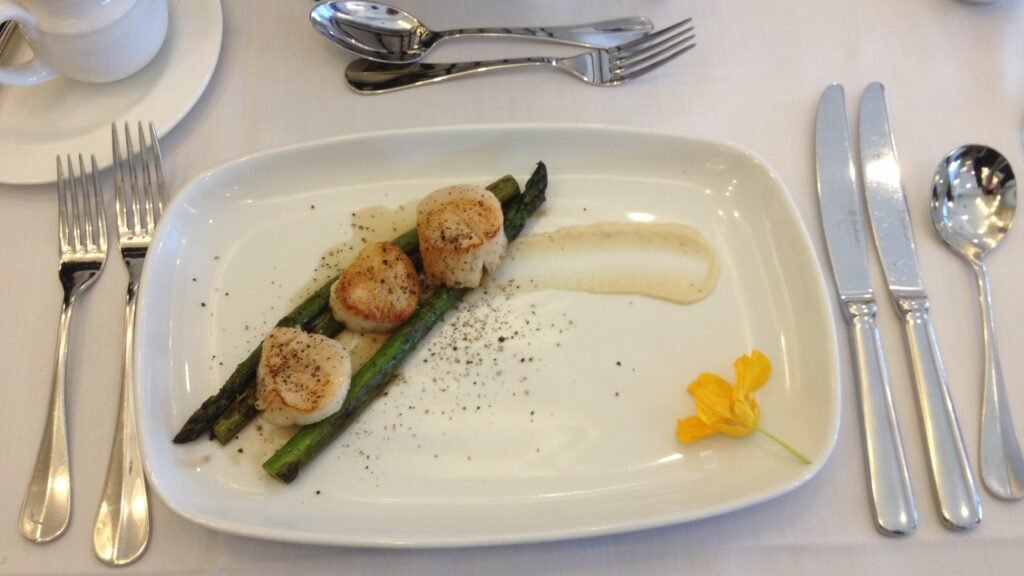
Plating is the art and technique of arranging food on a plate before it reaches a diner, balancing visual appeal with practical concerns like temperature, portion control, and ease of eating. Professional kitchens treat plating as the final stage of cooking, since even a technically perfect dish can underperform if it looks careless or confusing
Plating Read More »
The technique of arranging food on a plate to balance visual appeal with practicality before service.
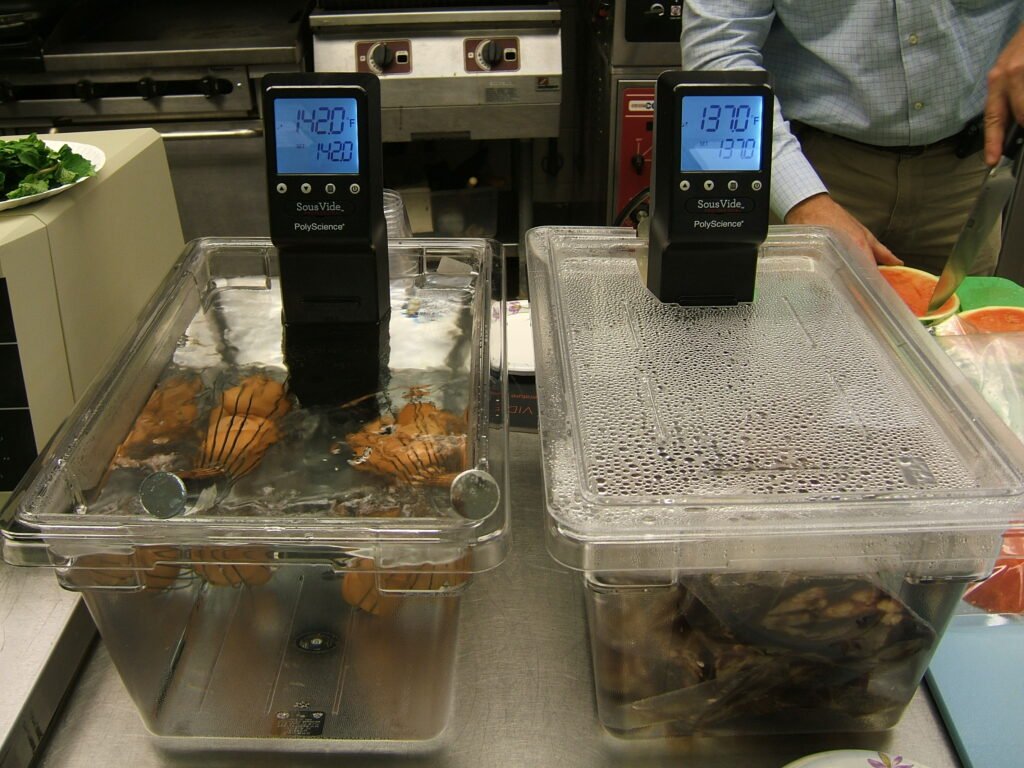
Sous vide, French for under vacuum, is a cooking technique in which food is sealed in an airtight bag and cooked for an extended period in a precisely controlled water bath held at a specific, relatively low temperature, allowing food to cook evenly throughout to an exact desired level of doneness without the risk of
Sous Vide Read More »
A cooking technique using a sealed bag and a precisely controlled water bath to cook food evenly to an exact doneness.