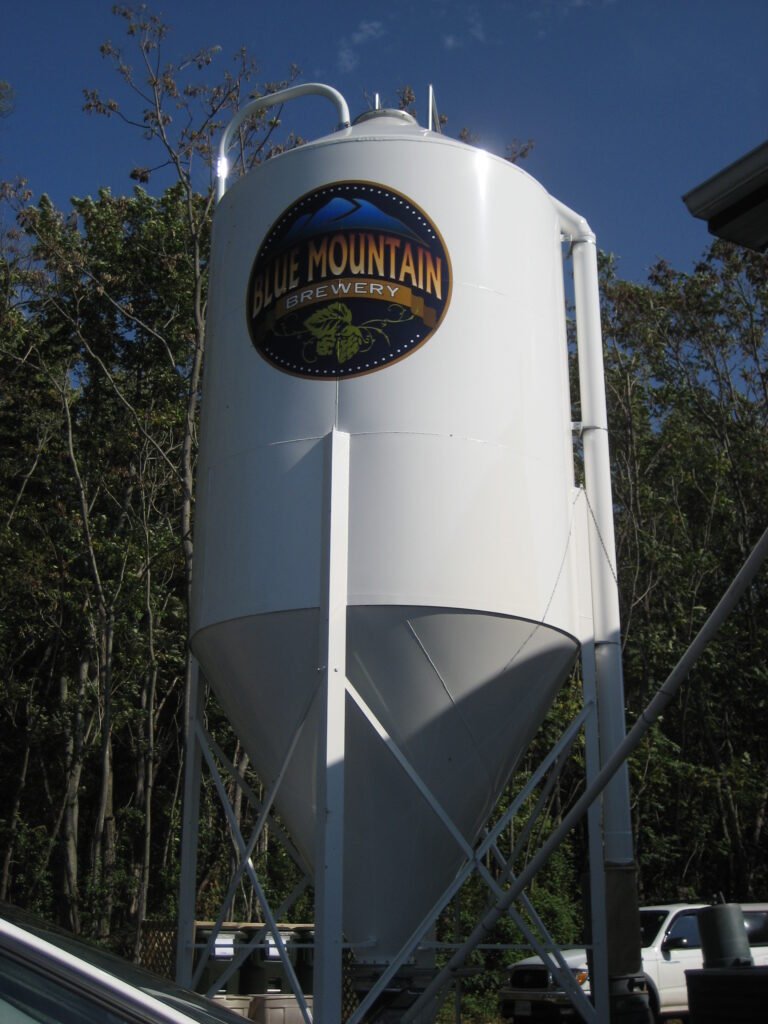
Beer brewing is the process of producing beer by converting starches, typically from malted grain, into fermentable sugars and then fermenting those sugars with yeast to produce alcohol and carbonation. The fundamental process has remained conceptually similar for thousands of years even as equipment and scientific understanding have advanced considerably.
The Core Brewing Process
Malting germinates grain, usually barley, just enough to activate enzymes that will later convert starch to sugar, then halts germination through kiln drying, which also develops the grain’s color and flavor depending on how dark the roast. Mashing steeps crushed malted grain in hot water, activating those enzymes to convert starch into fermentable sugar, producing a sweet liquid called wort. Boiling the wort with hops sterilizes it while extracting bitterness, flavor, and aroma compounds from the hops, with hop additions at different boiling stages producing different effects, early additions contributing mainly bitterness and late additions contributing more aroma.
Fermentation and Conditioning
Cooled wort is transferred to a fermentation vessel where yeast is added, consuming the sugars and producing ethanol and carbon dioxide over a period ranging from days to weeks depending on beer style and yeast strain. Ale yeast ferments at warmer temperatures and produces fruitier, more complex flavors, while lager yeast ferments cooler and slower, producing a cleaner, crisper result, a distinction that defines the two broad beer families underlying nearly every specific style. After primary fermentation, beer is conditioned, a resting period that allows flavors to mellow and carbonation to develop, either naturally through residual yeast activity or through forced carbonation in modern commercial production.
Historical and Modern Scale
Brewing has been practiced for thousands of years, with archaeological evidence suggesting it may predate written history, and was historically closely tied to monastery and household production before industrialization consolidated most commercial brewing into large factory operations by the twentieth century. The craft beer movement beginning in the late twentieth century reversed some of this consolidation, reviving small-batch and highly varied brewing styles that had nearly disappeared under decades of industrial standardization toward a narrow range of mass-market lager styles.
Water Chemistry and Hops
Brewing water, often called liquor, contributes minerals that affect mash efficiency and final flavor; brewers frequently adjust water chemistry to match historical styles, such as the sulfate-rich profile associated with pale ales from Burton upon Trent. Hops contribute bitterness, aroma, and preservative qualities, with alpha acids providing bitterness during the boil and volatile oils contributing aroma when added late or after fermentation in a technique called dry hopping.
Styles Across Cultures
Brewing traditions vary enormously by region: German purity laws historically restricted ingredients to malt, hops, water, and yeast, while Belgian brewers embraced wild yeast strains and spontaneous fermentation to produce sour and funky styles like lambic. British cask ales favor lower carbonation and cellar-temperature serving, whereas American craft brewers popularized intensely hopped styles that showcase citrus and pine aromatics from new hop varieties bred specifically for flavor.
Quality Control and Off-Flavors
Breweries monitor for off-flavors such as diacetyl, which imparts a buttery taste from incomplete fermentation, and oxidation, which produces cardboard-like staleness in aged beer. Sanitation is critical throughout the process, since wild bacteria or unwanted yeast strains can introduce sourness or unpleasant aromas. Quality assurance labs test gravity, pH, and dissolved oxygen levels to ensure consistency from batch to batch, a discipline that scales from homebrewing to large production facilities.
Packaging and Serving
After fermentation and conditioning, beer is packaged into kegs, bottles, or cans, each method carrying tradeoffs in shelf stability, light exposure, and carbonation retention. Cans protect beer from light-induced off-flavors entirely and have become increasingly popular with craft brewers for this reason, while bottles remain traditional for styles meant to age, such as strong ales and barrel-aged beers that continue developing character over months or years. Serving temperature and glassware also shape perception: delicate pilsners are typically served cold in tall, narrow glasses that preserve carbonation and showcase clarity, while big, boozy stouts and barleywines are often served warmer in wider glasses that release aromatic compounds. Draft systems add another layer of complexity, requiring clean lines and correct gas pressure to avoid off-flavors from wild yeast contamination or improperly balanced carbonation, which is why well-run bars treat draft line cleaning as a routine, non-negotiable maintenance task central to beer quality.
Homebrewing and Its Influence
Homebrewing, legalized in the United States in 1978, gave enthusiasts direct access to brewing experimentation that fed directly into the rise of the craft beer movement, with many celebrated commercial brewers tracing their start to kitchen-scale batches. Homebrew clubs and competitions continue to serve as informal research and development spaces where unusual ingredient combinations and techniques are tested before being scaled up commercially. This grassroots culture helped diversify the range of styles available to consumers far beyond the handful of pale lagers that dominated mass-market brewing for much of the twentieth century, restoring interest in historical styles and encouraging continuous stylistic innovation.
Sustainability in Modern Brewing
Breweries increasingly focus on water conservation, spent grain repurposing as animal feed or baking flour, and energy-efficient brewing equipment to reduce environmental impact, since brewing is a resource-intensive process requiring substantial water and heat input per barrel produced. These sustainability efforts have become a meaningful differentiator for breweries marketing to environmentally conscious consumers while also reducing operating costs over time.
Training the Next Generation
Brewing schools and apprenticeship programs have expanded alongside the craft movement, teaching microbiology, chemistry, and sensory evaluation to aspiring brewers who once learned primarily through informal mentorship. Formal certification programs, such as those offered by the Institute of Brewing and Distilling, now provide standardized credentials that help brewers demonstrate technical competency as the industry professionalizes and production demands grow more complex across larger facilities.
Key facts
- Malting, mashing, boiling, and fermentation are the core brewing stages.nHops contribute bitterness, flavor, and aroma depending on boil timing.nAle yeast ferments warm; lager yeast ferments cool and slow.nThe craft beer movement revived small-batch and varied brewing styles.
Quick checkWhat is the main difference between ale and lager yeast?Show answer
Ale yeast ferments at warmer temperatures producing fruitier flavors, while lager yeast ferments cooler and slower, producing a cleaner result.
Sources
- Siebel Institute of Technology, Brewers Association craft beer resources
Editorially reviewed by Specialty Digest Editorial TeamLast reviewed November 3, 2026Researched and drafted with AI assistanceReport an issue