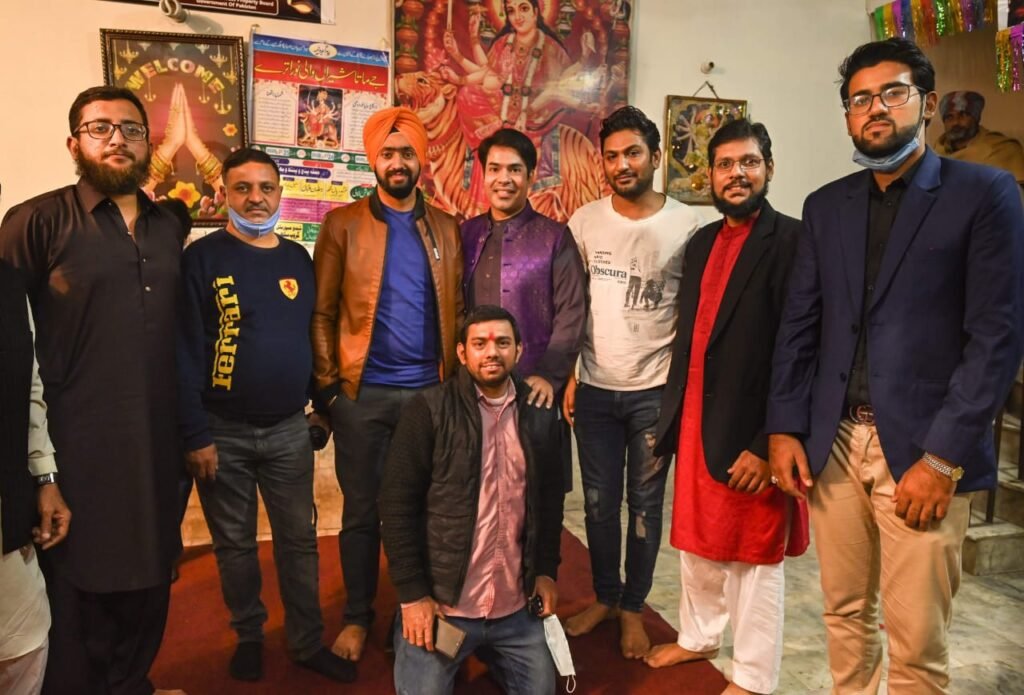
Overview
Interfaith dialogue refers to structured conversation and cooperative engagement between adherents of different religious traditions, undertaken with the goal of building mutual understanding, respect, and often practical cooperation on shared concerns. It is explicitly distinguished from missionary activity, since its purpose is not to persuade participants to change their religious commitments.
Historical Development
While informal exchange between religious communities has occurred throughout history, organized interfaith dialogue expanded substantially during the twentieth century. The Roman Catholic Second Vatican Council in the 1960s marked a significant institutional turning point, formally encouraging respectful engagement with other world religions, and similar developments occurred within other major traditions around the same period.
Forms and Settings
Dialogue takes place at many levels, from informal neighborhood gatherings and shared community service projects to formal academic conferences and major international assemblies bringing together religious leaders from across traditions. Some initiatives focus primarily on theological exchange, while others emphasize joint social action on issues such as poverty, peacebuilding, or environmental concern.
Challenges
Genuine dialogue faces significant challenges, including historical mistrust between communities, power imbalances between majority and minority religious groups, and the difficulty of addressing deep doctrinal disagreement honestly without either glossing over real differences or allowing conversation to collapse into unproductive conflict. Successful dialogue typically requires sustained relationship-building over time rather than isolated events.
Institutional Support
Numerous organizations, both religiously affiliated and secular, now coordinate interfaith initiatives at local, national, and global scales, including bodies associated with the United Nations and various national interfaith councils. These institutions provide infrastructure and ongoing relationships that support dialogue efforts beyond individual, one-time encounters between participants.
Role Today
Interfaith dialogue continues to play an important role in addressing religiously inflected conflict, supporting social cohesion in religiously diverse societies, and fostering practical cooperation on shared humanitarian and civic concerns across traditions that might otherwise have little direct contact or mutual understanding.
Types of Dialogue
Scholars of interreligious encounter often distinguish several types of dialogue, including the dialogue of life conducted through everyday neighborly interaction, the dialogue of action centered on shared humanitarian work, the dialogue of theological exchange among trained specialists, and the dialogue of religious experience in which practitioners share more directly in each other spiritual practices under appropriate guidance.
Each type serves different purposes and suits different participants, and sustained interfaith initiatives often combine several types over time, beginning perhaps with shared community service before moving toward more formal theological exchange as trust develops between participating communities.
Role of Religious Leadership
Senior religious leaders play an important symbolic and practical role in interfaith dialogue, since their visible participation can lend legitimacy to dialogue efforts within their own communities and help overcome resistance from more skeptical or cautious members who might otherwise view such engagement with suspicion.
Addressing Historical Conflict
Interfaith dialogue has played a notable role in regions marked by religiously inflected conflict, where sustained relationship-building between community leaders has sometimes contributed to reduced tension and opened channels for broader peacebuilding efforts, though dialogue alone rarely resolves conflicts rooted in deeper political and economic grievances.
Scholars studying such initiatives emphasize that lasting impact typically requires dialogue to extend beyond elite religious leaders into broader community engagement, since agreements reached at a leadership level do not automatically translate into changed attitudes among ordinary members of the communities involved.
Education and Training
Growing numbers of academic programs and training initiatives now prepare religious leaders and lay practitioners specifically for interfaith engagement, reflecting recognition that effective dialogue requires particular skills, including careful listening, cultural sensitivity, and the ability to represent one own tradition accurately without either overstating or understating genuine points of difference.
These training efforts continue to expand as interfaith engagement becomes an increasingly expected skill for religious leadership.
Measuring Success
Evaluating the success of interfaith dialogue initiatives poses genuine methodological difficulty, since meaningful outcomes such as improved mutual understanding or reduced prejudice are harder to measure than more concrete achievements like joint statements or shared service projects, leading some scholars to call for better long-term evaluation methods within the field.
Improved evaluation methods would help organizations allocate resources more effectively toward dialogue approaches shown to produce lasting positive change.
Closing Note
Interfaith dialogue remains an essential tool for navigating an increasingly interconnected and religiously diverse world, even as practitioners continue refining its methods and measuring its impact.
Its relevance will likely only grow as societies become more religiously interconnected in coming decades.
Youth and Interfaith Work
Many interfaith organizations now specifically target younger participants through camps, exchange programs, and university initiatives, recognizing that early positive exposure to religious diversity can shape lifelong habits of respectful engagement across traditions.
These youth-focused efforts represent a significant long-term investment in the future of interfaith cooperation.
Closing Thought
Sustained, patient relationship-building remains the foundation on which lasting interfaith cooperation is ultimately built.
Communities that invest in this groundwork tend to weather disagreement and tension far better than those relying on occasional, isolated gestures.
Final Note
As religious landscapes continue shifting worldwide, the patient work of dialogue remains as relevant as ever before.
Many communities are already putting these lessons into daily practice.
More are expected to follow in the years ahead.
The work continues steadily around the world.
Progress continues steadily, one relationship at a time, across countless communities and settings worldwide.
Many more communities are expected to join this patient, ongoing work in the years just ahead, slowly building trust.
That trust remains the true measure of success.
It remains worth every bit of the effort invested.
It endures still.
Key facts
- Array
Quick checkWhat is the primary goal of interfaith dialogue, as distinct from missionary work?Show answer
Interfaith dialogue aims at mutual understanding, respect, and cooperation between traditions, rather than seeking to convert participants to a single faith.
Sources
- Array
Editorially reviewed by Specialty Digest Editorial TeamLast reviewed November 4, 2026Researched and drafted with AI assistanceReport an issue