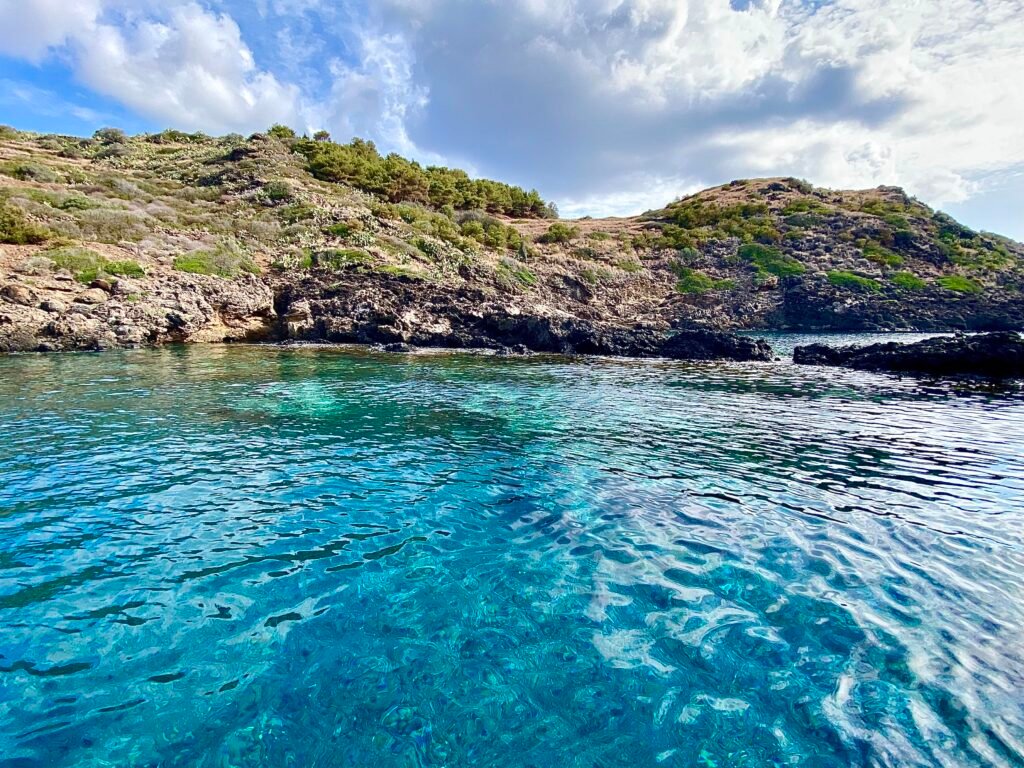
A marine protected area is a defined region of ocean, sea, or coastal water set aside by law for the long-term conservation of marine ecosystems, species, or cultural resources. Protections range from areas that ban all extractive activity, known as no-take zones, to multiple-use areas that permit regulated fishing, tourism, or research alongside conservation goals.
Types and Levels of Protection
Fully protected or no-take marine reserves prohibit fishing and other extraction entirely, while partially protected areas allow limited, regulated activities such as recreational fishing or small-scale commercial harvest. Multiple-use marine protected areas zone different activities across the site, concentrating strict protection in ecologically sensitive core zones while permitting more activity in surrounding buffer areas.
Ecological Benefits
Within well-enforced no-take reserves, fish populations often increase in abundance, size, and reproductive output within a few years, since individuals are no longer removed by fishing. These benefits can extend beyond the reserve’s boundaries through spillover, as adult fish and larvae move into surrounding waters and support nearby fisheries.
Design Considerations
Effective marine protected areas are typically designed around habitat features such as coral reefs, seagrass beds, or spawning grounds, and their size and placement account for the movement patterns of the species they aim to protect. Connectivity between multiple protected areas, allowing larvae and juveniles to disperse between sites, is increasingly considered essential for long-term resilience.
Global Coverage and Targets
International agreements, including the Kunming-Montreal Global Biodiversity Framework, have set targets for protecting a substantial share of the world’s ocean area by 2030, driving a rapid expansion in both the number and size of designated marine protected areas. Large remote reserves around island territories now account for a significant share of total protected ocean area, though coverage in heavily used coastal and continental shelf waters remains far more limited.
Enforcement Challenges
A marine protected area’s conservation value depends heavily on enforcement, and many designated areas suffer from inadequate monitoring, insufficient funding, or weak legal penalties that allow illegal fishing to continue largely unchecked. Researchers increasingly distinguish between areas that are protected on paper and those that are actively and effectively managed, since the ecological benefits described above depend almost entirely on the latter.
Case Studies in Recovery
Several well-studied marine protected areas, including reserves in the Philippines, the Mediterranean, and parts of Australia’s Great Barrier Reef, have documented measurable increases in fish biomass and species diversity within a decade of strict no-take enforcement. These recoveries have often strengthened local support for protection once nearby communities observed tangible benefits to adjacent fishing grounds through spillover.
Balancing Conservation and Livelihoods
Establishing a marine protected area can create short-term hardship for fishers who lose access to traditional grounds, which is why many successful designations include transition support, alternative livelihood programs, or phased implementation that allows communities time to adapt. Co-management models that involve local fishing communities directly in planning and enforcement have generally produced more durable and better-complied-with protections than top-down designations imposed without local input.
Monitoring and Research Value
Beyond their conservation function, marine protected areas serve as natural laboratories where scientists can study ecosystems relatively undisturbed by fishing, providing baseline data that helps distinguish the effects of fishing from other pressures such as climate change or pollution in nearby unprotected waters. This research value has made long-established reserves particularly important reference points for evaluating ecosystem health across entire regions.
Distinguishing Paper Parks from Effective Protection
Researchers have developed standardized criteria for evaluating whether a marine protected area is merely designated on paper or is genuinely delivering conservation outcomes, examining factors such as enforcement presence, compliance rates, and measurable ecological indicators like fish biomass trends. Global databases tracking these criteria have found that a meaningful share of areas counted toward international protection targets show little evidence of effective on-the-ground management, a gap that has become a central concern as countries race to meet ambitious area-based conservation commitments.
Future Expansion
Meeting international targets for ocean area protection will likely require designating large new marine protected areas in international waters beyond any single country’s jurisdiction, an area historically difficult to govern because no single nation holds authority there. Recent international agreements establishing a legal framework for high-seas marine protected areas represent a significant step toward closing this gap, though implementation and enforcement in such remote waters remain considerable practical challenges.
Climate Resilience Function
Healthy, well-protected marine ecosystems within marine protected areas can be more resilient to stresses such as warming waters and ocean acidification than degraded ecosystems subject to ongoing fishing pressure, giving protected habitats and the species within them a better chance of adapting to changing conditions. This resilience function has become an increasingly prominent argument for expanding protected area coverage, alongside the more traditional case centered on fisheries and biodiversity benefits.
Public Awareness
Documentary films, school curricula, and public aquarium exhibits have played a notable role in building broad public support for marine protected areas, translating scientific conservation arguments into accessible stories about recovering reefs and rebounding fish populations. This public engagement has often proven important in sustaining political support for new designations against competing economic pressures.
As international targets drive rapid expansion of protected ocean area, the central challenge going forward is ensuring that growth in designated area translates into genuine, well-enforced conservation rather than protection that exists mainly on paper.
Readers interested in a specific marine protected area can usually find detailed management plans and monitoring reports published by the government agency or conservation organization responsible for that particular site.
Collectively, these examples show that marine protected areas work best as part of a broader, well-resourced management strategy rather than as an isolated designation alone.
Key facts
- Ranges from no-take reserves to multiple-use zoned areas.|Can increase fish abundance and size within boundaries.|Spillover effects can benefit nearby fisheries.|Effectiveness depends heavily on enforcement and funding.
Quick checkWhat is the difference between a marine protected area and a no-take marine reserve?Show answer
A marine protected area can allow some regulated activity, while a no-take marine reserve bans all fishing and extraction within its boundaries.
Sources
- NOAA National Marine Protected Areas Center; IUCN
Editorially reviewed by Specialty Digest Editorial TeamLast reviewed November 3, 2026Researched and drafted with AI assistanceReport an issue