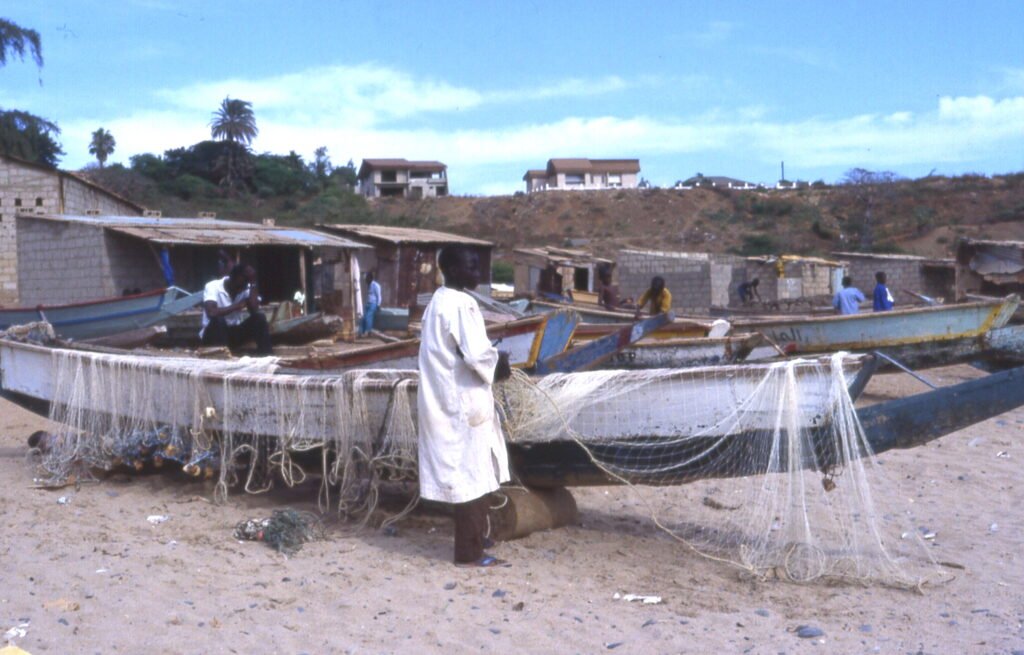
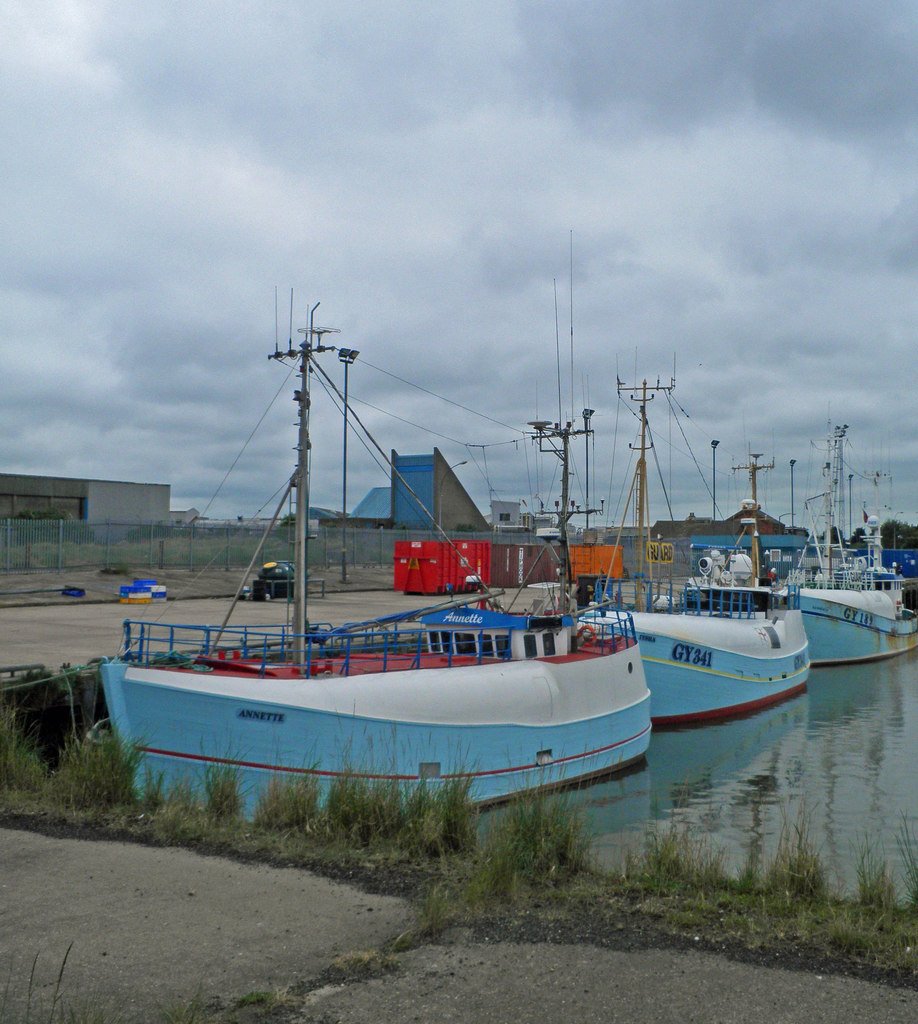
Artisanal fishing is small-scale fishing conducted by individuals or families using relatively simple vessels, gear, and techniques, typically for local consumption or sale rather than large-scale commercial export. It remains a vital source of food and income for coastal and riverine communities across much of the developing world. Characteristic Methods and Gear Artisanal fishers commonly
Artisanal Fishing Read More »
Small-scale fishing by individuals or families for local food and income rather than large export.
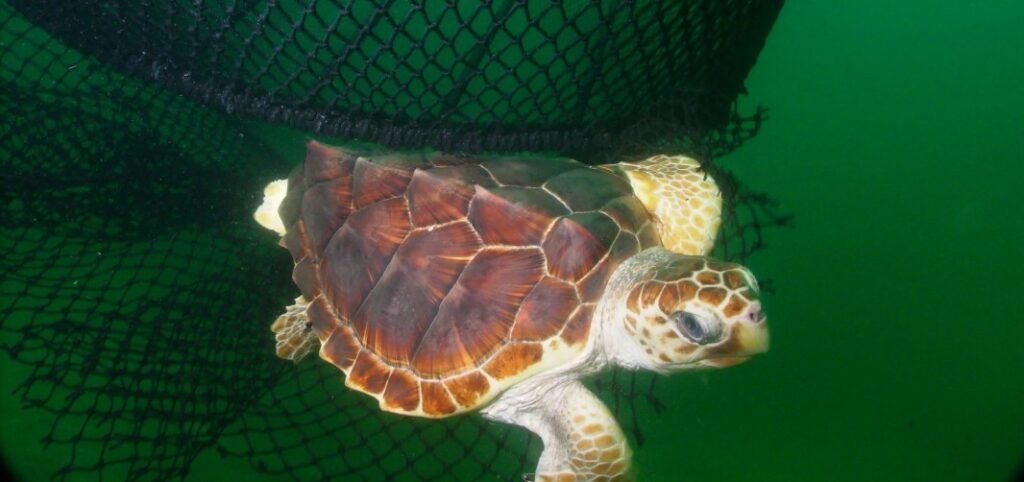
Bycatch is the unintentional capture of non-target marine species during commercial or recreational fishing operations aimed at a different species. It includes fish that are the wrong size or species, as well as sea turtles, marine mammals, seabirds, and sharks caught incidentally in gear set for another target. Why Bycatch Happens Most fishing gear cannot
Bycatch Read More »
The unintentional capture of non-target species, like turtles or seabirds, during fishing.
A catch limit is a legally enforceable cap on the amount of a fish species that can be harvested from a given stock within a set period, usually a year. Catch limits are the central tool fisheries managers use to translate scientific stock assessments into binding restrictions on commercial and recreational fishing. How Catch Limits
Catch Limit Read More »
A legally enforceable cap on how much of a fish species can be caught in a given period.
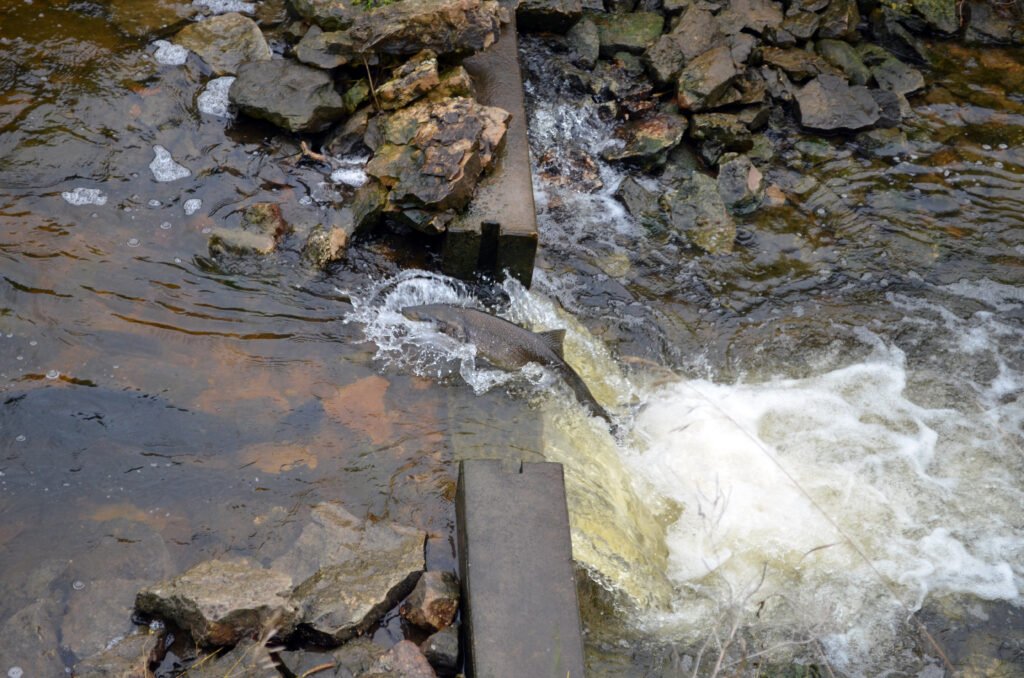
Fish migration is the regular, often seasonal movement of fish populations between different habitats to feed, spawn, or avoid unfavorable conditions. Migratory patterns can span a few kilometers between a river and its estuary or thousands of kilometers across entire ocean basins, and they shape where and when many of the world’s most important fisheries
Fish Migration Read More »
The seasonal movement of fish between habitats to feed, spawn, or avoid poor conditions.
Fish population dynamics is the scientific study of how fish populations change in size and structure over time in response to birth, growth, death, and movement. Understanding these processes lets fisheries scientists predict how a stock will respond to fishing pressure, environmental change, or management interventions. Key Processes A population’s size at any time reflects
Fish Population Dynamics Read More »
The study of how fish populations change in size and structure through birth, growth, and death.
Fish stock assessment is the scientific process of estimating the size, health, and sustainable harvest potential of a fish population, or stock, within a defined geographic area. Fisheries scientists combine survey data, catch records, and biological sampling to build mathematical models that describe how a stock is likely to respond to continued fishing pressure. What
Fish Stock Assessment Read More »
A scientific estimate of a fish population's size and how much can be sustainably caught.
Fishery management is the set of policies, rules, and scientific practices governments and regional bodies use to regulate fishing activity so that fish stocks and the people who depend on them remain economically and ecologically viable. It translates scientific stock assessments into enforceable rules covering how much, where, when, and with what gear fishing can
Fishery Management Read More »
The policies and scientific practices used to regulate fishing for healthy, sustainable stocks.
A marine protected area is a defined region of ocean, sea, or coastal water set aside by law for the long-term conservation of marine ecosystems, species, or cultural resources. Protections range from areas that ban all extractive activity, known as no-take zones, to multiple-use areas that permit regulated fishing, tourism, or research alongside conservation goals.
Marine Protected Area Read More »
A legally designated ocean area protected for conservation of marine ecosystems and species.
Sustainable fisheries are fishing operations and management systems designed to harvest fish and other seafood at rates that maintain healthy populations and ecosystems over the long term. The goal is to balance current economic and food needs against the biological limits of the species being caught, so that fishing can continue indefinitely without depleting the
Sustainable Fisheries Read More »
Fishing practices and management systems that keep fish populations healthy over the long term.
Trawling is a fishing method in which a large net, called a trawl, is towed through the water or along the seafloor behind one or more vessels to capture fish, shrimp, or other seafood. It is one of the most widely used commercial fishing techniques in the world, prized for its efficiency at catching large
Trawling Read More »
A fishing method that tows a large net through water or along the seafloor to catch fish or shrimp.