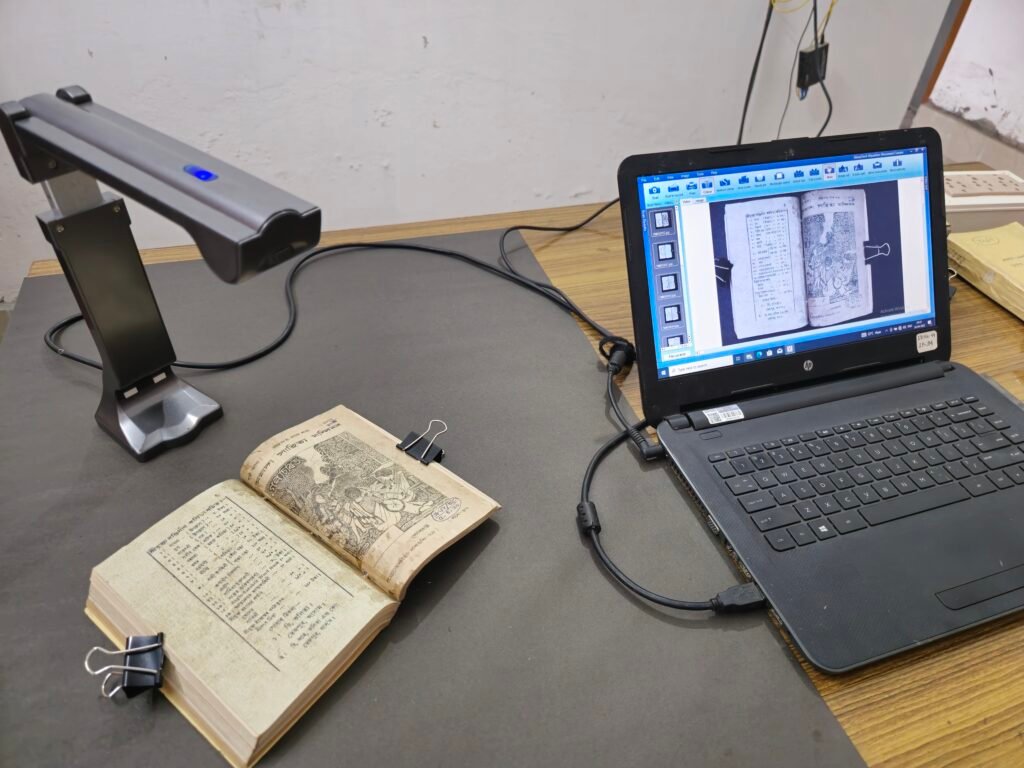
Mass digitization is the large-scale conversion of library, archival, or museum collections into digital form using high-throughput scanning equipment and standardized, streamlined workflows designed to process very large volumes of material efficiently.
Where traditional digitization projects often focus on carefully selected collections, with significant individual attention given to each item, such as detailed metadata creation or conservation treatment before scanning, mass digitization prioritizes speed and volume, typically applying a simplified, consistent process across hundreds of thousands or even millions of items. This approach has made it possible to digitize entire library collections, complete runs of historical newspapers, or vast photographic archives in a fraction of the time that item-by-item digitization would require.
Major Mass Digitization Initiatives
Several large-scale digitization efforts have substantially expanded global access to digitized materials, including partnerships between major libraries and technology companies to scan millions of book volumes, as well as collaborative repositories that aggregate digitized content contributed by many research libraries into shared, searchable collections. These initiatives have made vast quantities of historical and scholarly material searchable and accessible online that would otherwise remain available only to researchers able to visit physical archives in person.
Quality and Metadata Trade-offs
The speed required for mass digitization typically means less individualized quality control and simpler metadata than a boutique digitization project might apply. Automated systems handle most of the scanning and basic metadata extraction, and optical character recognition is applied to generate searchable text, though recognition accuracy varies considerably depending on the condition and typography of the original materials, particularly older or damaged items.
Copyright Considerations
Mass digitization projects, particularly those involving twentieth-century books still under copyright, have prompted significant legal disputes over whether large-scale scanning and limited search-and-snippet access constitutes fair use or requires rights holder permission, with outcomes varying by jurisdiction and shaping how aggressively institutions pursue mass digitization of in-copyright materials.
Workflow and Infrastructure
Mass digitization operations typically rely on specialized high-speed scanning equipment capable of processing large volumes of material with minimal manual handling per item, along with automated image processing pipelines that crop, straighten, and apply basic quality checks to scanned pages without requiring an operator to review every single image individually.
Economic Considerations
The per-item cost of mass digitization is typically far lower than boutique digitization, which is the economic logic that makes digitizing entire collections feasible, but the absolute scale of investment required for a project spanning millions of items remains substantial, often requiring external grant funding, corporate partnership, or government investment beyond what an individual library budget could support alone.
International Perspectives
National libraries in many countries have pursued their own mass digitization programs for culturally significant collections such as historical newspapers, while collaborative international initiatives have also emerged to digitize and aggregate cultural heritage material across borders, though available funding and existing technical infrastructure vary considerably between wealthier and less-resourced national library systems.
Looking Ahead
Advances in automated optical character recognition and machine learning are gradually improving the quality and searchability of mass-digitized text, particularly for historical materials with unusual typography or handwriting that earlier recognition systems struggled to process accurately, expanding the practical research value of material digitized years before such improvements became available.
Practical Guidance
Institutions planning a mass digitization project are generally advised to establish clear, consistent quality thresholds and sampling-based review procedures from the outset, since reviewing every single item individually would defeat the efficiency goals of mass digitization, while no quality control at all risks accumulating systematic errors across an enormous volume of material before anyone notices.
Related Specialties
Mass digitization projects typically require collaboration between conservation specialists, who assess whether fragile originals can withstand high-speed scanning, imaging technicians operating specialized equipment, metadata staff handling bulk record creation, and legal or rights specialists clearing copyright questions across very large and diverse collections.
Handling Fragile or Unusual Materials
Not all materials are equally suited to high-throughput mass digitization workflows. Fragile bound volumes, oversized maps, or unusually shaped objects often require slower, more individualized handling that can bottleneck an otherwise efficient mass digitization pipeline, forcing institutions to either set such items aside for separate specialized treatment or invest in additional equipment capable of handling a wider range of physical formats without causing damage.
Project planners must therefore realistically assess what proportion of a target collection can actually move through standard mass digitization equipment versus what proportion will require exception handling, since underestimating this proportion can derail an otherwise carefully budgeted project timeline.
Public Reception and Access Debates
Mass digitization projects have sometimes faced public debate over whether broad commercial partnerships appropriately balance public access against the interests of rights holders and competing commercial digitization services, shaping ongoing policy discussions about how libraries should structure large-scale digitization partnerships going forward.
Long-Term Storage Requirements
The enormous file volumes generated by mass digitization projects require correspondingly large and reliable long-term storage infrastructure, often involving redundant copies distributed across multiple physical locations, since losing even a small percentage of files from a multi-million-item digitization project would still represent a substantial and likely irreplaceable loss of digitized content.
Institutions undertaking mass digitization must budget for this storage infrastructure as a permanent, ongoing cost rather than a one-time expense tied only to the initial scanning project itself.
Grant proposals and institutional budgets for mass digitization increasingly itemize this ongoing storage commitment separately from the upfront scanning and processing costs.
Clearer upfront cost accounting of this kind has made grant reviewers and institutional budget committees more receptive to funding mass digitization proposals overall.
This improved funding climate has, in turn, allowed more institutions to pursue mass digitization of collections that previously seemed financially out of reach.
Key facts
- Array
Quick checkHow does mass digitization differ from ordinary, selective digitization projects?Show answer
Mass digitization applies standardized, high-throughput workflows to convert very large volumes of material quickly and at lower per-item cost, whereas ordinary digitization projects often handle smaller, carefully selected collections with more individualized treatment per item.
Sources
- Array
Editorially reviewed by Specialty Digest Editorial TeamLast reviewed November 3, 2026Researched and drafted with AI assistanceReport an issue