Specialty Digest

Global English edition Learners’ Study Dashboard — in development
Encyclopedia / Library & Information Studies

Digital Libraries & Information Technology

Specialty Knowledge entries in Digital Libraries & Information Technology.

An archival photographic negative from a collection, illustrating the kind of media asset a digital asset management system organizes

Digital Asset Management

Digital asset management is the practice of organizing, storing, and distributing digital files, such as photographs, video, audio, and documents, through a centralized system that applies consistent metadata, categorization, and access controls to make those files easy to find and reuse. Many organizations, including libraries, museums, publishers, and media companies, accumulate large volumes of digital

Digital Asset Management Read More »

Digital asset management is the practice of organizing, storing, and distributing digital files such as images, video, and documents through a centralized system with consistent metadata and access controls.

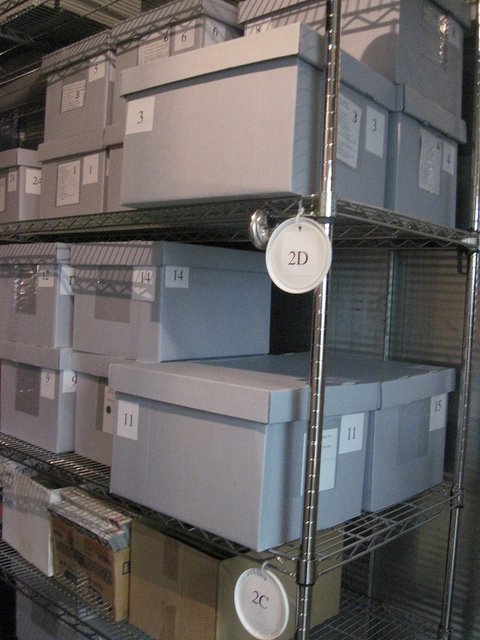
Labeled archival boxes in museum storage, illustrating the ongoing management central to digital curation

Digital Curation

Digital curation is the ongoing process of managing digital materials throughout their lifecycle, from initial creation or acquisition through long-term preservation, to ensure that the materials remain accessible, usable, and trustworthy for current and future users. The term covers a broader set of activities than simple file storage. Curators appraise which materials merit long-term retention,

Digital Curation Read More »

Digital curation is the ongoing management of digital materials throughout their lifecycle to ensure they remain accessible, usable, and trustworthy over time.

Library desks with computer terminals, illustrating the digital access tools that define a modern digital library

Digital Library

A digital library is an organized collection of digital content and associated services that allows users to discover, access, and use information resources in electronic form. Unlike a conventional library building, a digital library has no physical shelving or circulation desk, but it still performs the core functions of a library: it selects materials, describes

Digital Library Read More »

A digital library is an organized collection of digital content and services that provides access to information resources in electronic form.

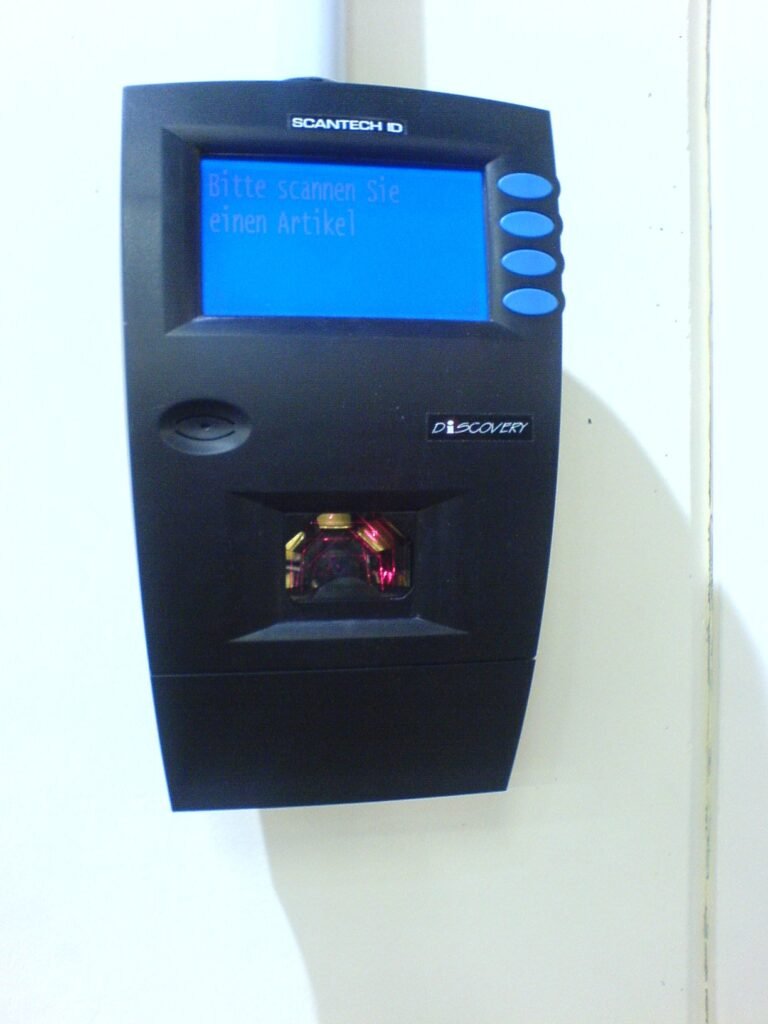
A barcode scanner, illustrating the concept of a unique scannable identifier similar in purpose to a Digital Object Identifier

Digital Object Identifier

A Digital Object Identifier, commonly abbreviated DOI, is a permanent alphanumeric string assigned to a digital document, dataset, or other resource so that it can be reliably cited and located regardless of changes to its underlying web address. A DOI typically appears as a prefix identifying the registering organization followed by a suffix chosen by

Digital Object Identifier Read More »

A Digital Object Identifier, or DOI, is a permanent alphanumeric string assigned to a digital document or dataset so it can be reliably located even if its web address changes.

A university library building, the kind of institution that typically maintains an institutional repository

Institutional Repository

An institutional repository is an online platform operated by a university, research institution, or organization to collect, preserve, and provide open access to the scholarly and research output produced by its members. Typical content includes peer-reviewed journal articles, preprints, conference papers, doctoral dissertations and master theses, datasets, technical reports, and sometimes teaching materials. Unlike subject-based

Institutional Repository Read More »

An institutional repository is an online archive maintained by a university or organization to collect, preserve, and provide open access to its own research output.

A library computer area and circulation desk, the kind of operations an integrated library system manages together

Integrated Library System

An integrated library system, commonly abbreviated ILS, is software that manages the core day-to-day operations of a library within a single connected platform, including cataloging materials, tracking circulation, handling acquisitions and billing, and powering the public search catalog that patrons use to find items. Before integrated systems became standard, libraries often ran separate, disconnected programs

Integrated Library System Read More »

An integrated library system is software that manages the core operations of a library, including cataloging, circulation, acquisitions, and the public search catalog, within a single connected platform.

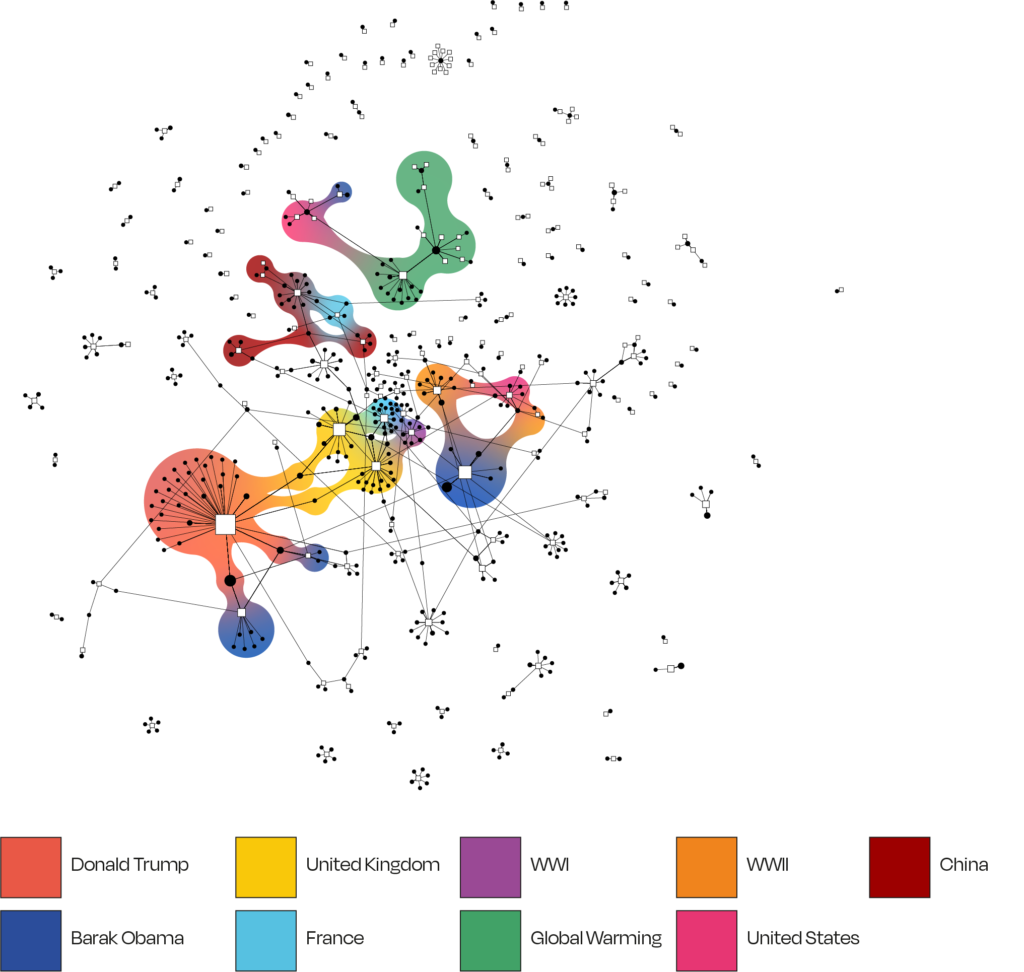
A network graph visualization showing connected nodes, illustrating the interlinked structure of linked data

Linked Data

Linked data is a method of structuring and publishing data so that individual pieces of information are connected to related data across the web through standardized identifiers and relationship types, allowing both people and machines to follow connections between datasets. The approach rests on a small set of principles: use web addresses, known as Uniform

Linked Data Read More »

Linked data is a method of structuring and publishing data so that individual pieces of information are connected to related data across the web using standardized identifiers and relationships.

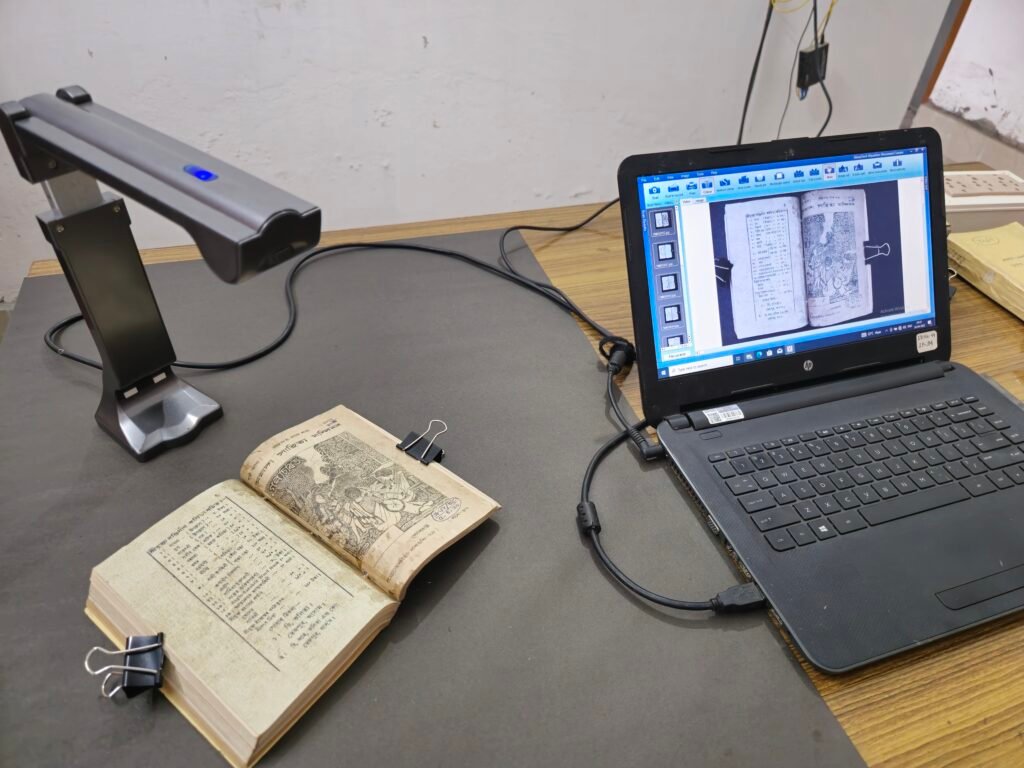
Library staff scanning rare books as part of a large-scale digitization project

Mass Digitization

Mass digitization is the large-scale conversion of library, archival, or museum collections into digital form using high-throughput scanning equipment and standardized, streamlined workflows designed to process very large volumes of material efficiently. Where traditional digitization projects often focus on carefully selected collections, with significant individual attention given to each item, such as detailed metadata creation

Mass Digitization Read More »

Mass digitization is the large-scale conversion of library, archival, or museum collections into digital form using high-throughput scanning and standardized, streamlined workflows.

Server racks in a data center, representing the networked repository infrastructure that OAI-PMH harvests metadata from

OAI-PMH

OAI-PMH, short for the Open Archives Initiative Protocol for Metadata Harvesting, is a technical standard that allows digital repositories to expose their metadata records in a consistent, machine-readable format so that other systems can automatically collect, or harvest, those records. Before OAI-PMH, aggregating content across many repositories required custom integration work for each source, since

OAI-PMH Read More »

OAI-PMH, the Open Archives Initiative Protocol for Metadata Harvesting, is a technical standard that lets repositories share metadata records so other systems can collect and aggregate them automatically.

A person scanning a QR code with a mobile phone, illustrating how a persistent identifier is looked up and resolved

Persistent Identifier

A persistent identifier is a long-lasting reference assigned to a digital resource, such as a journal article, dataset, or archival record, so that the resource can continue to be located and cited reliably even if its underlying web address or hosting location changes over time. Conventional web addresses are tied to a specific server and

Persistent Identifier Read More »

A persistent identifier is a long-lasting reference assigned to a digital resource so that it can continue to be located and cited reliably even after its web address or hosting location changes.