The Transfer Problem in Transit Networks
Because few trips begin and end at the same transit line, most transit journeys of any complexity require at least one transfer between modes or routes, and the time, physical distance, and uncertainty involved in making that transfer can add significantly to total trip time, sometimes outweighing the speed advantage of faster vehicles on either side of the transfer. Multimodal transportation hubs address this by physically co-locating multiple modes, rail platforms, bus bays, bike-share docks, and pedestrian pathways, within a single well-designed facility, minimizing walking distance and wait time between connecting services.
Historic Union Stations and Modern Equivalents
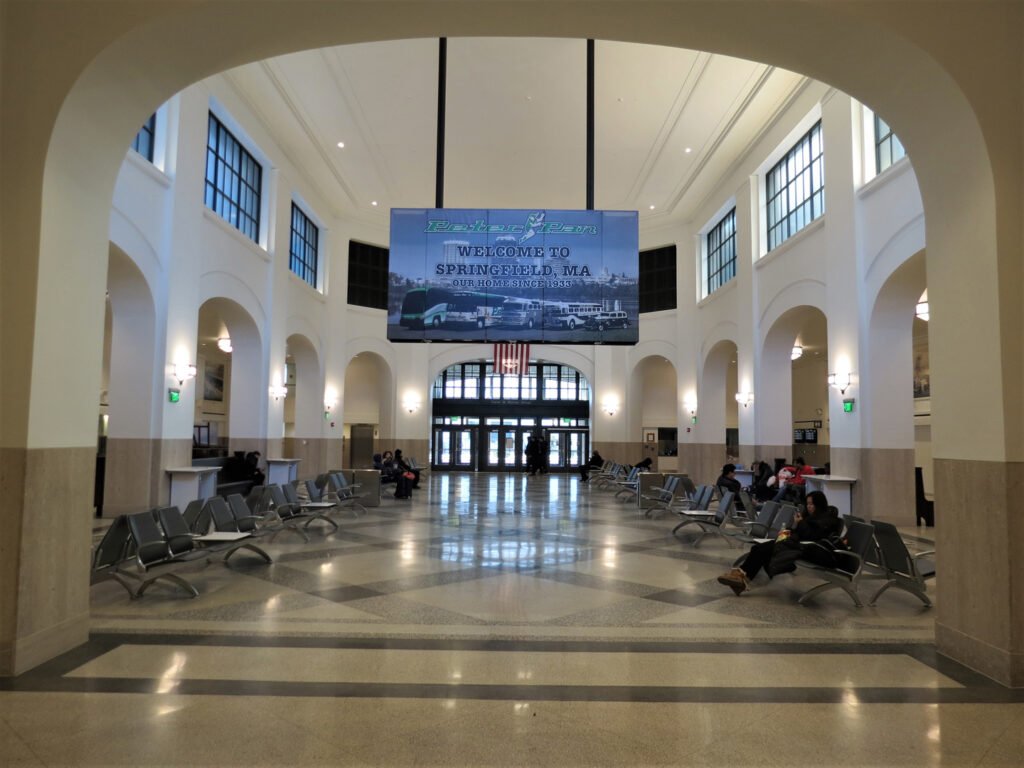
Many of the grandest multimodal hubs in cities worldwide began as railway union stations built in the nineteenth or early twentieth century to consolidate multiple competing rail lines into a single shared terminal, a practice that modern transit planners have extended to combine rail with bus, light rail, and increasingly bike-share and ride-hailing pickup zones within or adjacent to the same historic or newly built structure. Contemporary hub design places particular emphasis on clear wayfinding and short, step-free paths between platforms, recognizing that confusing layouts or long transfer walks discourage transit use just as effectively as poor service frequency does.
Hubs as Development Anchors
Beyond their transportation function, well-designed multimodal hubs frequently serve as anchors for surrounding transit-oriented development, since the convenience of a major transfer point attracts retail, office, and residential development seeking to capitalize on the foot traffic and accessibility the hub provides. Cities planning major hub renovations or new construction increasingly coordinate these projects with surrounding land use planning, treating the hub not merely as transportation infrastructure but as a catalyst for the kind of dense, walkable development that in turn generates more transit ridership.
Accessibility and Wayfinding Design
Because multimodal hubs by definition serve riders transferring between very different kinds of transportation, often including people with luggage, strollers, or mobility devices, accessible design, step-free paths, clear sightlines, and multilingual signage, carries outsized importance compared with a single-mode station, since a confusing or inaccessible hub can effectively block an otherwise complete multimodal journey at its weakest link. Leading hub designs increasingly incorporate real-time digital displays showing departure times across all connecting modes in one unified view, rather than requiring riders to consult separate information systems for each mode.
Security and crowd management also present distinct challenges at major hubs, which concentrate large, diverse flows of people in confined spaces at predictable peak times, requiring coordinated planning among all the modal operators sharing the facility rather than the single-operator security planning typical of a standalone station.
Funding Complexity Across Modal Operators
Financing a major multimodal hub typically requires coordinating capital contributions from multiple agencies and sometimes multiple levels of government, each with its own budget cycle, funding rules, and priorities, since no single operator captures the full benefit of a hub that primarily serves to connect other operators’ services. This funding complexity has delayed or scaled back hub projects in numerous cities, prompting growing interest in dedicated multimodal hub funding programs at the national or regional level specifically designed to overcome the coordination problem that purely agency-by-agency funding creates.
Retail and commercial space within major hubs has become an increasingly important secondary revenue source for operators, helping offset some of the facility’s substantial operating and maintenance costs.
Historical Examples and Modern Reconstructions
Grand Central Terminal in New York and Union Station in Washington, D.C. exemplify how early twentieth-century multimodal hubs combined architectural ambition with practical transportation function, and many such historic stations have undergone major renovations in recent decades to add modern connections, including subway links, bike parking, and ride-hailing pickup zones, that their original builders could not have anticipated. These renovation projects illustrate a broader pattern in hub development, where a facility’s multimodal function tends to expand incrementally over many decades as new transportation technologies and services emerge, rather than being fully designed from the outset for every mode it will eventually need to accommodate.
Baggage handling and storage facilities, less critical at purely commuter-oriented stations, take on added importance at hubs serving longer-distance rail or airport connections, requiring additional space and staffing considerations in overall hub design.
Role in Disaster Resilience Planning
Major multimodal hubs increasingly feature in regional disaster resilience planning, since their concentration of multiple transportation modes makes them critical nodes for evacuation and emergency response, prompting some cities to incorporate backup power systems, flood resilience measures, and emergency coordination protocols directly into hub design and operations planning beyond their everyday transportation function.
Signage standardization across all modal operators sharing a hub has become a growing focus area, since inconsistent wayfinding design between operators can undercut the accessibility benefits a well-planned hub otherwise provides.
Public art and placemaking investments within major hubs have also grown more common, reflecting a recognition that these facilities function as civic spaces as well as pure transportation infrastructure.
Staffing and Customer Service Coordination
Large multimodal hubs require coordinated customer service staffing across all participating operators, since a confused traveler rarely distinguishes between which specific agency is responsible for which part of their journey, making shared information desks and cross-trained staff valuable investments for overall rider experience.
Lost and found coordination across multiple operators at a single hub requires its own dedicated administrative process.
Regular stakeholder meetings among hub operators help keep shared facility standards consistent over time.
Capital renewal planning for aging hub infrastructure must be phased carefully to avoid disrupting the many services that depend on continuous facility operation.
Key facts
- Array
Quick checkWhy do transit planners prioritize investment in multimodal hubs?Show answer
Because minimizing the time and friction of transferring between modes can be as important to overall trip time as the speed of any single mode, making well-designed hubs a high-leverage investment.
Sources
- Array
Editorially reviewed by Specialty Digest Editorial TeamLast reviewed November 4, 2026Researched and drafted with AI assistanceReport an issue