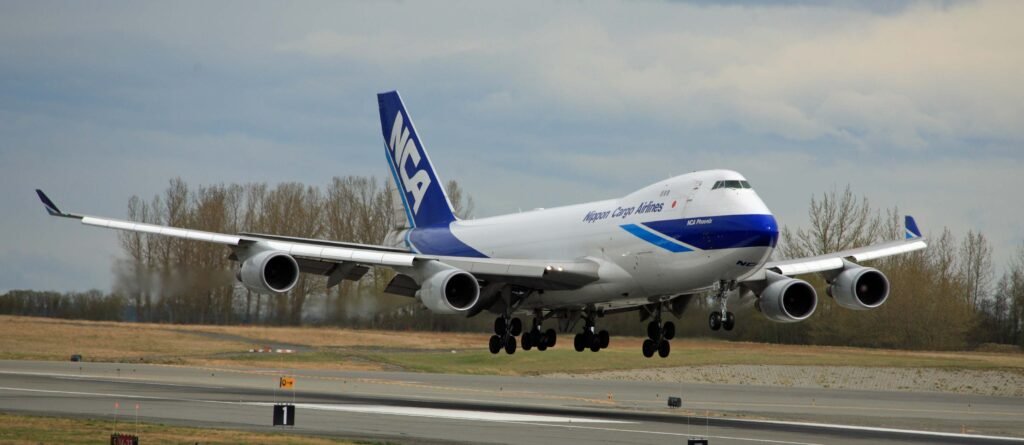
What Air Cargo Is Air cargo refers to freight transported by aircraft rather than by truck, rail, or ship. It is the fastest major freight transportation mode, moving goods across long distances in hours rather than days or weeks, but it is also typically the most expensive option per unit of weight, reserving air cargo
Air Cargo Read More »
Air cargo is freight transported by aircraft, used for shipments requiring the fastest possible transit time or involving high-value, time-sensitive, or perishable goods.
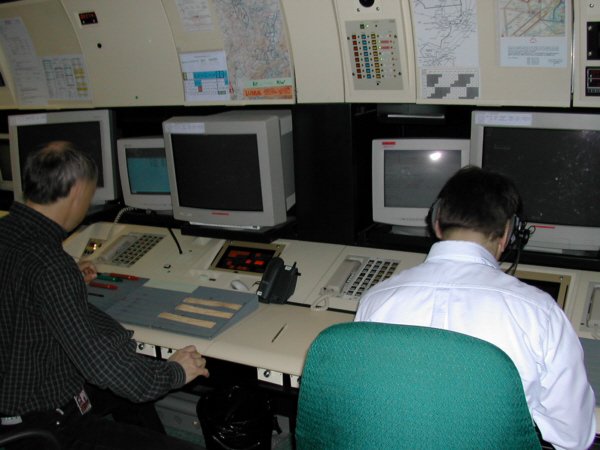
What Air Traffic Control Does Air traffic control directs the movement of aircraft to maintain safe separation and keep traffic flowing efficiently, covering aircraft on the ground at airports, departing and arriving aircraft near airports, and aircraft cruising between destinations. Controllers communicate with pilots by radio, issuing instructions on altitude, heading, and speed to keep
Air Traffic Control Read More »
Air traffic control is the ground-based service that directs aircraft movement in the air and on the ground to maintain safe separation and efficient flow of traffic.
Airbus is a European aerospace company that builds commercial aircraft, helicopters, and defence and space systems, with its main operations centered on Toulouse, France. It grew out of a 1970 consortium of European firms and delivered 793 commercial aircraft in 2025, when its revenue reached 73.4 billion euros. History of Airbus France and West Germany
Airbus Read More »
Airbus is a European aerospace company, formed as a consortium in 1970, that builds commercial aircraft, helicopters and defence and space systems.
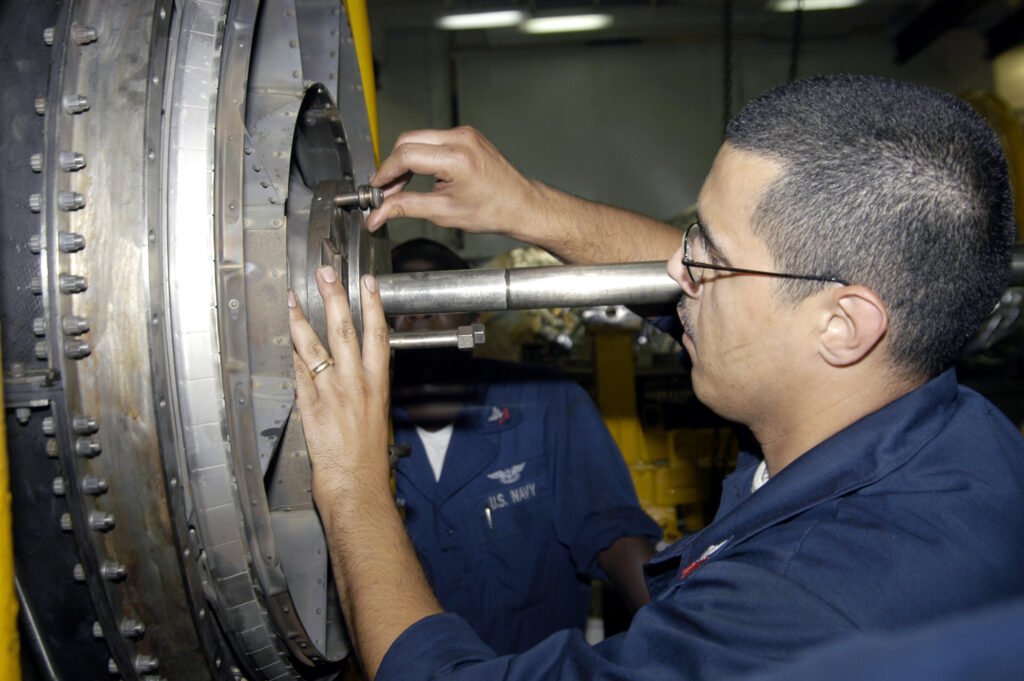
Purpose of Aircraft Maintenance Aircraft maintenance covers the inspection, repair, and servicing activities required to keep an aircraft safe and airworthy throughout its operational life. Unlike many other vehicles, aircraft maintenance follows strict, legally mandated schedules rather than being left to owner discretion, reflecting the severe consequences of mechanical failure during flight. Levels of Maintenance
Aircraft Maintenance Read More »
Aircraft maintenance is the inspection, repair, and servicing of aircraft performed on a defined schedule to ensure continued airworthiness and safety.
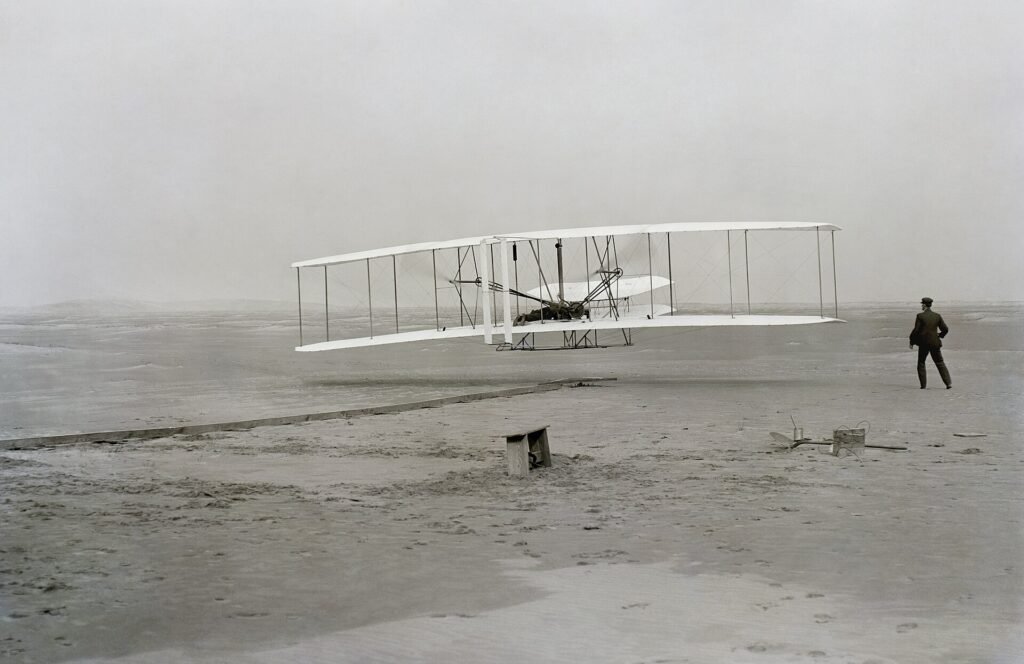
An airplane is a powered, fixed-wing aircraft that is heavier than air and flies because its wings produce lift as it moves forward. The first sustained and controlled flight of such a machine was made by Orville and Wilbur Wright on 17 December 1903 at Kill Devil Hills, near Kitty Hawk, North Carolina. History of
Airplane Read More »
A powered, fixed-wing aircraft heavier than air; the Wright brothers made the first sustained, controlled flight on 17 December 1903.
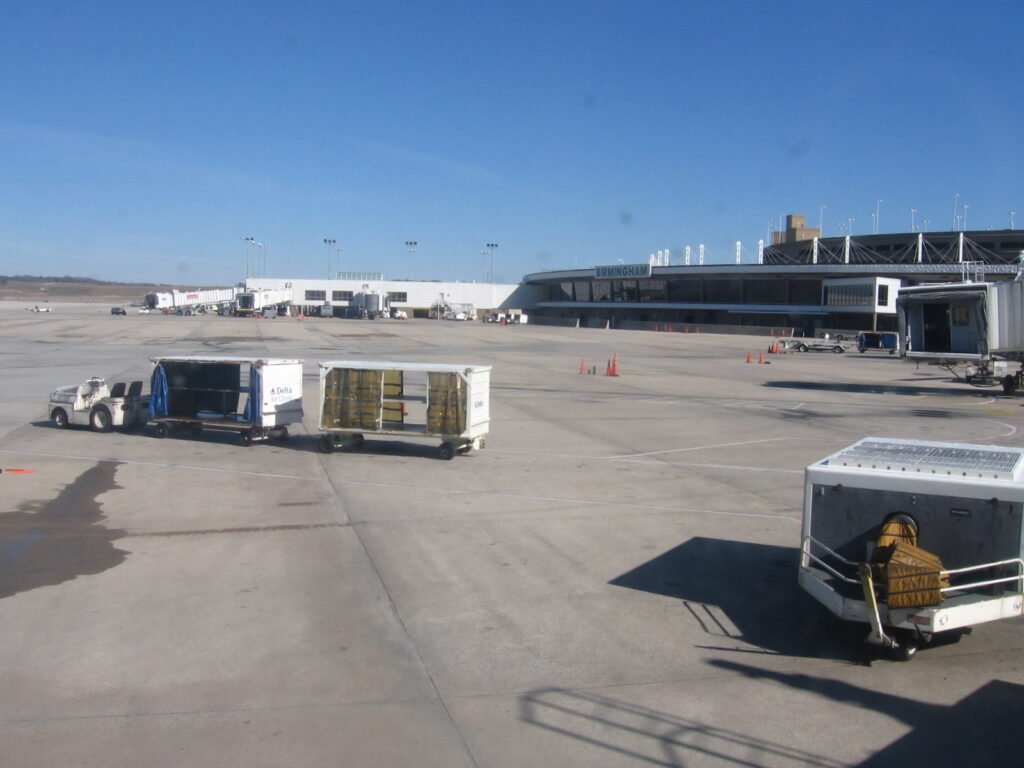
What Airport Operations Covers Airport operations encompasses the full range of activities needed to run an airport safely and efficiently, including managing runways and taxiways, coordinating ground handling services for arriving and departing aircraft, overseeing terminal passenger flow, and ensuring security screening processes run smoothly. It requires close coordination among the airport operator, airlines, air
Airport Operations Read More »
Airport operations is the set of activities required to run an airport safely and efficiently, including runway management, ground handling, security, and terminal services.
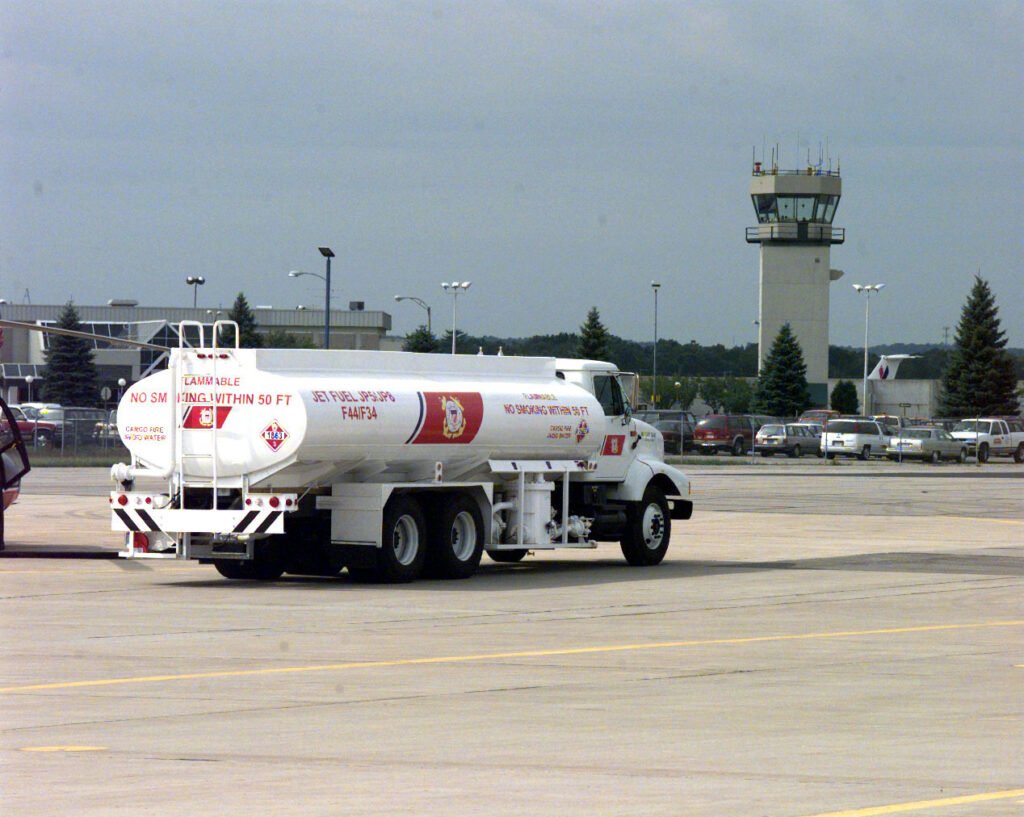
Types of Aviation Fuel Aviation fuel comes in two main categories suited to different aircraft engine types. Jet fuel, a kerosene-based fuel most commonly designated Jet A, powers the turbine engines used by commercial airliners, business jets, and most helicopters. Aviation gasoline, commonly called avgas, is a specially formulated high-octane gasoline used in the piston
Aviation Fuel Read More »
Aviation fuel is specialized fuel formulated for use in aircraft engines, including jet fuel for turbine-powered aircraft and aviation gasoline for piston-engine aircraft.
What a Safety Management System Is A safety management system, commonly abbreviated SMS, is a formal, organization-wide framework that airlines and other aviation organizations use to identify hazards, assess and manage risk, and continuously monitor and improve safety performance. Rather than relying solely on reacting to incidents after they occur, an SMS aims to proactively
Aviation Safety Management System Read More »
An aviation safety management system is a formal, organization-wide framework for identifying hazards, managing risk, and continuously improving safety performance within an airline or aviation organization.
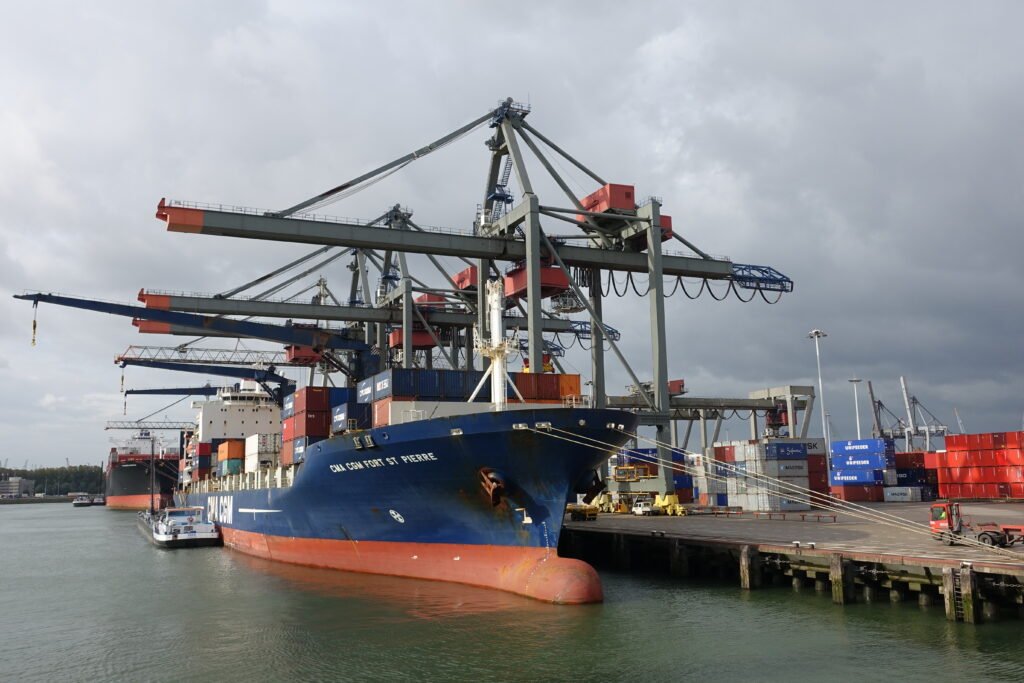
What a Bill of Lading Is A bill of lading is a document issued by a carrier, such as an ocean shipping line or trucking company, to a shipper when goods are accepted for transport. It serves three distinct legal functions: a receipt confirming the carrier received the described cargo, evidence of the contract of
Bill of Lading Read More »
A bill of lading is a legal document issued by a carrier to a shipper that serves as a receipt for cargo, a contract of carriage, and often a document of title to the goods.
Boeing is an American aerospace company that designs and builds commercial airplanes, defense and space systems and aviation services. It was founded in Seattle in 1916 by William Boeing, is headquartered in Arlington, Virginia, and reported 600 commercial airplane deliveries and revenue of $89.5 billion for 2025. History of Boeing William Boeing and George Conrad
Boeing Read More »
Boeing is an American aerospace company, founded in Seattle in 1916, that builds commercial airplanes and defense and space systems.