The Challenge of the Non-Verbal Patient
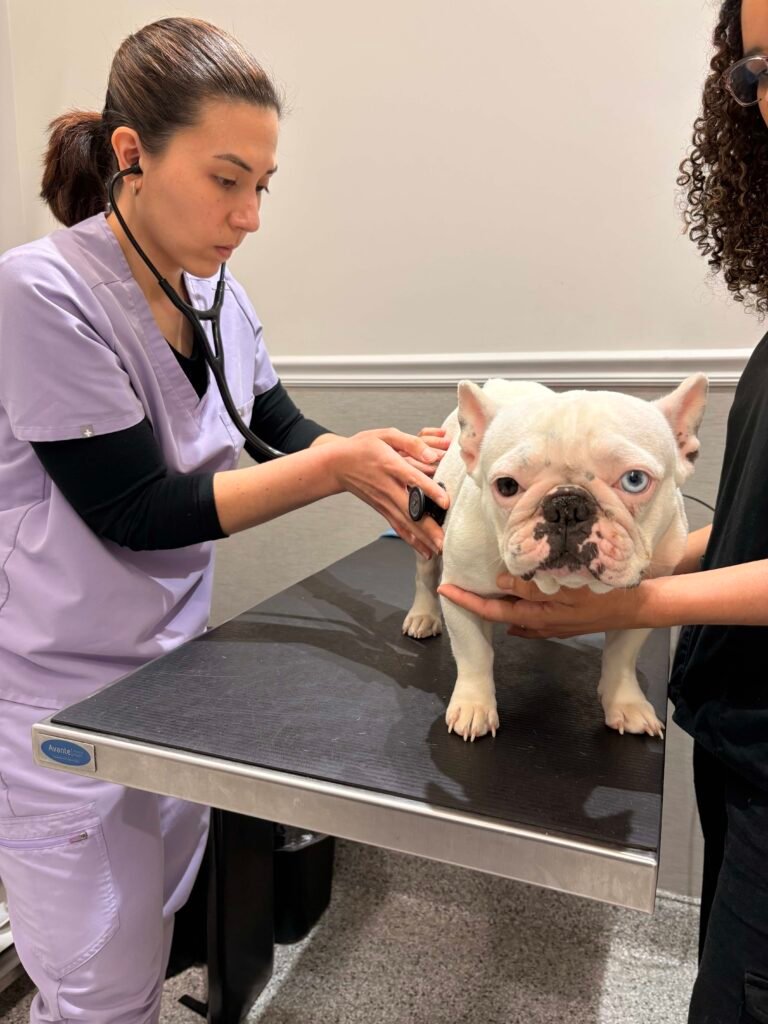
Veterinary diagnostics faces a fundamental challenge absent from most human medicine: the patient cannot describe when or how symptoms began, where pain is located, or how a condition has progressed over time. Veterinarians must instead piece together a clinical picture from owner-reported history, which can be incomplete or inaccurate, combined with careful physical examination and objective testing, making skilled observation and a thorough diagnostic workup especially important in animal medicine. This constraint has driven veterinary medicine to develop particularly strong reliance on standardized diagnostic panels and imaging, since these tools provide objective information that does not depend on a patient’s ability to communicate.
Point-of-Care Testing Expansion
In-clinic point-of-care diagnostic equipment, including blood chemistry analyzers, electrolyte panels, and rapid antigen tests for infectious diseases, has expanded dramatically in veterinary practice over recent decades, allowing veterinarians to obtain results within minutes rather than waiting days for samples sent to an external laboratory. This shift has been particularly valuable in emergency and critical care settings, where rapid diagnostic turnaround can directly affect treatment decisions and patient outcomes, and has also made basic diagnostic testing more accessible and affordable for routine wellness visits at general practice clinics.
Species-Specific Reference Ranges
A critical complication in veterinary diagnostics is that normal reference ranges for blood values, vital signs, and other measurements vary significantly not just between species but sometimes between breeds within a species, requiring veterinarians and diagnostic laboratories to maintain separate reference databases for dogs, cats, horses, and other common patients rather than applying a single universal standard. Exotic and wildlife species often lack well-established reference ranges altogether, forcing veterinarians treating these patients to extrapolate cautiously from related species or rely more heavily on comparing a given animal against its own baseline values over time.
Advanced Imaging and Laboratory Partnerships
Beyond basic point-of-care testing, general veterinary practices routinely partner with external reference laboratories for more specialized diagnostic tests, including advanced hormone panels, infectious disease serology, and histopathology, sending samples out and typically receiving results within a few business days rather than the minutes offered by in-clinic equipment. For imaging needs beyond basic X-ray, many general practices refer patients needing CT, MRI, or advanced ultrasound to specialty referral hospitals equipped with this costlier equipment, creating a tiered diagnostic ecosystem where routine testing happens in-house while complex cases flow toward centers with more specialized capability.
Telemedicine has also begun reshaping veterinary diagnostics, allowing a general practitioner to consult with a remote specialist by sharing images, lab results, or even live video, extending specialist-level diagnostic input to clinics that could not otherwise access it without a formal referral and patient transport.
Interpreting Results Within Clinical Context
Raw diagnostic results, whether bloodwork values or imaging findings, must always be interpreted within the broader clinical context of a specific patient’s history, breed, age, and presenting signs, since an isolated abnormal value may represent a genuine problem, a normal individual variation, or an artifact of sample handling, and experienced veterinarians learn to weigh diagnostic data alongside clinical judgment rather than treating test results as automatically definitive. This integration of objective testing with clinical experience remains central to veterinary diagnostic practice even as testing technology has grown more sophisticated and widely available.
Genetic testing has also become an increasingly important diagnostic tool, particularly for breed-predisposed hereditary conditions, allowing veterinarians and breeders to identify carrier status or disease risk before clinical symptoms ever appear, supporting both individual patient care and broader breeding decisions aimed at reducing the prevalence of heritable disease within a breed population over time.
Wellness Screening in Healthy Patients
Beyond diagnosing symptomatic illness, veterinary diagnostics increasingly plays a preventive role through routine wellness screening in apparently healthy animals, particularly senior pets, aiming to catch early signs of organ dysfunction or developing disease before clinical symptoms become apparent, when treatment options are often more effective and less costly. This shift toward preventive screening parallels similar trends in human medicine and has been supported by growing evidence that early detection of conditions such as kidney disease or diabetes meaningfully improves long-term management outcomes compared with waiting until an animal shows obvious signs of illness.
Artificial intelligence tools for image analysis have begun entering veterinary radiology, flagging potential abnormalities on radiographs for a veterinarian’s review, though adoption remains in relatively early stages compared with similar tools in human medicine.
Record-keeping and trend tracking across repeated diagnostic tests over an animal’s lifetime, increasingly supported by electronic health record systems, help veterinarians distinguish a gradually developing chronic condition from an acute new problem by comparing current results against that individual patient’s own historical baseline values.
Biomarker research continues to expand the diagnostic toolkit available to veterinarians, with newer blood-based markers for conditions such as early kidney disease or pancreatitis offering earlier and more sensitive detection than traditional tests alone could provide.
Fecal occult blood and other screening tests supplement standard panels for specific suspected conditions, rounding out a diagnostic toolkit that veterinarians select from based on each patient’s particular presenting signs.
A well-organized diagnostic workup typically proceeds from least to most invasive testing, reserving more costly or risky procedures for cases where simpler initial testing has failed to reach a clear diagnosis.
Owner-reported home monitoring, such as tracking appetite, water intake, and activity level between visits, provides valuable supplementary context that pure in-clinic testing alone cannot capture.
Routine senior wellness panels now commonly include thyroid function testing alongside standard organ panels, since thyroid dysfunction becomes considerably more common in aging cats and dogs.
Key facts
- Array
Quick checkWhy is veterinary diagnostics considered more challenging in some ways than human diagnostics?Show answer
Because animal patients cannot verbally describe their symptoms, veterinarians must rely more heavily on physical signs, owner-reported history, and objective testing to reach a diagnosis.
Sources
- Array
Editorially reviewed by Specialty Digest Editorial TeamLast reviewed November 4, 2026Researched and drafted with AI assistanceReport an issue