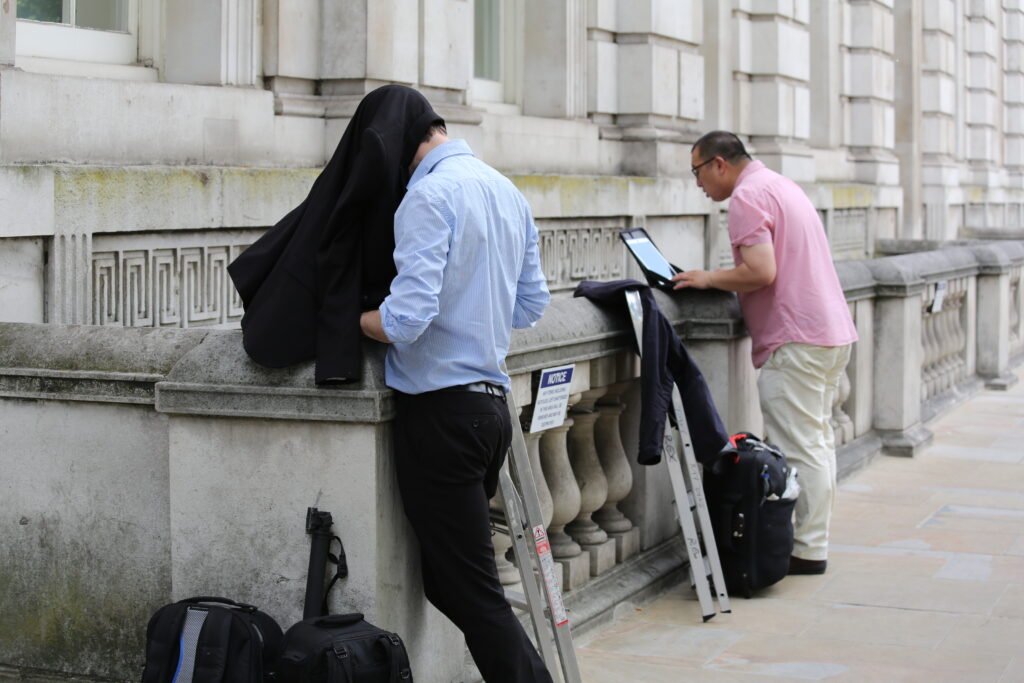
Photojournalism is the practice of telling news stories primarily through photographs, capturing significant moments, events, and conditions in ways that convey information and emotional impact that text alone may not fully achieve. It spans a wide range of subjects, from breaking news and conflict coverage to documentary projects exploring social issues over extended periods.
Ethical Standards
Photojournalists operate under ethical codes that generally prohibit staging scenes or digitally altering images in ways that misrepresent what actually occurred, standards that have become increasingly important as digital editing tools have made manipulation easier to perform and harder to detect. Many news organizations require photographers to provide detailed captions identifying who, what, when, and where a photograph was taken, along with verification of its authenticity.
Challenges in the Field
Photojournalists, particularly those covering conflict zones or disasters, often face significant physical danger, and news organizations have had to develop safety protocols and support systems to protect staff working in hazardous environments. The declining number of staff photographer positions at many publications, driven partly by budget pressures and the rise of smartphone photography, has also reshaped how visual journalism gets produced and who produces it.
Visual Storytelling Techniques
Effective photojournalism relies on composition, timing, and an understanding of visual narrative to capture images that convey meaning beyond what a caption alone could describe, often requiring photographers to anticipate significant moments before they occur. Photo editors play an important role in selecting which images from a shoot best represent a story, balancing visual impact against accuracy and the risk of selecting an image that might convey a misleading impression taken out of context.
Changing Technology and Access
The widespread availability of smartphone cameras has dramatically increased the volume of visual content available during breaking news events, with citizen-captured images and video often reaching news organizations before professional photographers can arrive on scene. This has changed photojournalism practice, with many newsrooms now developing specific protocols for verifying and properly crediting user-submitted visual content alongside work produced by professional staff photographers.
Economic Pressures
Declining newsroom budgets have reduced the number of staff photographer positions at many publications, pushing some outlets toward relying more heavily on freelance photographers, wire service images, or user-submitted content rather than maintaining large in-house photography staffs. This shift has raised concerns within the profession about sustainable career paths for photojournalists and the potential loss of specialized visual storytelling expertise built over a career at a single publication.
Looking Ahead
Advances in image verification technology are becoming increasingly important for photojournalism as manipulated and synthetic images grow more convincing, pushing news organizations to adopt more rigorous authentication standards for visual content. The continued growth of citizen-captured imagery during breaking news events is likely to keep reshaping how professional photojournalism fits alongside crowdsourced visual content in modern news coverage.
Related Specialties
Photojournalism connects closely to fact-checking, since verifying the authenticity of images has become an increasingly important part of visual journalism. It also overlaps with documentary filmmaking, a related visual storytelling discipline exploring similar subjects over longer timeframes.
Archives and Historical Value
Photojournalism archives serve an important historical function, preserving visual records of significant events that later generations rely on to understand past periods in ways that text alone cannot fully convey. Many news organizations and institutions have invested in digitizing and preserving historical photojournalism collections, recognizing their enduring value as primary historical sources well beyond their original news cycle relevance.
Awards and Professional Recognition
Major photography awards specifically recognizing photojournalism have helped elevate public appreciation for the craft and skill involved in capturing significant news images, while also providing career-building recognition for photographers working in an increasingly challenging economic environment for the profession.
Ethical Dilemmas in the Field
Photojournalists covering tragedy or suffering often face difficult ethical questions about when documenting a scene serves a legitimate public interest versus when it risks exploiting vulnerable subjects, decisions that require careful judgment with no universally agreed-upon answer. Many news organizations provide specific ethical guidance and training to help photographers navigate these situations, though individual judgment calls in the field often remain genuinely difficult.
Equipment and Technical Skill
Beyond artistic and ethical judgment, photojournalism requires technical mastery of camera equipment, lighting conditions, and increasingly digital editing software, skills that photographers must maintain and update as technology continues to evolve rapidly. Many working photojournalists invest significant personal resources in equipment, recognizing that reliable, high-quality gear can be essential for capturing usable images in demanding or unpredictable field conditions.
Photo contests and exhibitions dedicated specifically to photojournalism provide additional venues for recognizing exceptional work and exposing powerful images to audiences beyond their original news publication context.
Mentorship programs pairing experienced photojournalists with newcomers have become an important way of passing down both technical skills and ethical judgment developed over years of field experience.
Some news organizations have established formal review boards specifically to evaluate difficult ethical decisions in photojournalism, providing an additional layer of institutional judgment beyond an individual photographer or editor.
Some photojournalists specialize specifically in certain subject areas, such as conflict, environmental issues, or sports, developing deep expertise and specialized equipment knowledge suited to the particular demands of their chosen focus area.
Image licensing and syndication agreements allow powerful photojournalism to reach far beyond its original publication, extending the reach and impact of significant news images across multiple outlets and audiences.
Weather and lighting conditions in the field often force photojournalists to make rapid technical adjustments, drawing on years of practical experience to capture a usable image within a narrow window of opportunity.
Key facts
- Governed by ethical codes against staging and manipulation; requires detailed captioning and verification; faces physical risk in conflict and disaster coverage.
Quick checkWhat ethical standard is central to photojournalism?Show answer
Not staging scenes or digitally altering images in ways that misrepresent what actually occurred.
Sources
- Based on general visual journalism and photojournalism ethics literature.
Editorially reviewed by Specialty Digest Editorial TeamLast reviewed November 3, 2026Researched and drafted with AI assistanceReport an issue