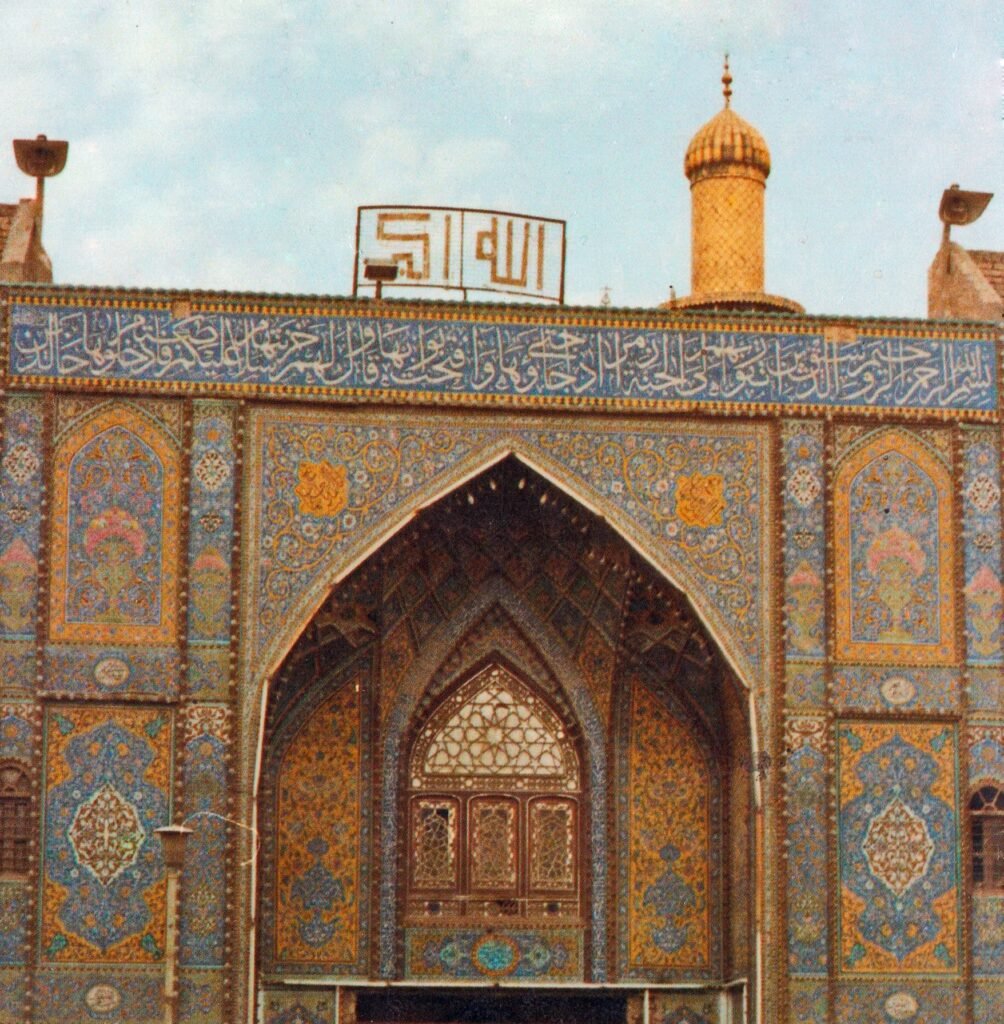
Overview
Shia Islam is the second-largest branch of Islam, distinguished from the Sunni majority primarily by its belief that leadership of the Muslim community rightfully belonged to Ali, the Prophet Muhammad cousin and son-in-law, and his descendants. This disagreement over succession, which emerged shortly after the Prophet death, developed over subsequent centuries into distinct theological and legal traditions.
Core Beliefs
Central to Shia theology is the concept of the Imamate, the belief that a line of divinely guided leaders descended from Ali carries special spiritual authority and insight into the true meaning of Islamic teaching. The largest Shia group, the Twelvers, holds that the twelfth Imam remains in occultation and will eventually return to establish justice.
Practices and Observances
Shia religious life includes distinctive commemorations such as Ashura, which mourns the martyrdom of Imam Husayn, Ali son, at the Battle of Karbala. Pilgrimage to shrines associated with the Imams, particularly in Iraq and Iran, also plays a significant role in Shia religious practice.
Historical Development
Shia communities developed distinct schools of law and theology over the centuries following the original succession dispute, with Iran becoming officially Shia under the Safavid dynasty in the sixteenth century. Shia populations today are concentrated in Iran, Iraq, Bahrain, and Azerbaijan, alongside significant minority communities across the broader Muslim world.
Role Today
Shia Islam continues to shape political and religious life in several countries, most prominently Iran, where Shia clerical authority has played a defining role in governance since 1979. Sectarian relations between Shia and Sunni communities remain an important factor in the politics of several Middle Eastern countries today.
Theology and Law
Shia theology developed distinct schools of law alongside its particular doctrines regarding the Imamate, with the Jafari school predominant among Twelver Shia Muslims. Shia scholars historically played an influential role in developing independent legal reasoning, known as ijtihad, allowing qualified jurists considerable latitude in interpreting religious law for new circumstances rather than relying solely on earlier precedent.
Diversity Within Shia Islam
Beyond the Twelver majority, Shia Islam includes other branches such as the Ismaili and Zaidi traditions, each with its own history, leadership structure, and theological emphasis. This internal diversity means Shia Islam, much like Sunni Islam, encompasses a range of communities and practices rather than a single uniform tradition, shaped by distinct regional histories across the Middle East, South Asia, and beyond.
Political Significance
Shia identity has played a significant role in shaping the modern political landscape of the Middle East, particularly following the 1979 revolution in Iran, which established a system of clerical governance grounded in Shia theological principles. Shia political movements and parties are also active in countries such as Iraq and Lebanon, reflecting the tradition ongoing influence on regional politics well beyond matters of personal religious belief.
Shrines and Pilgrimage
Cities such as Najaf and Karbala in Iraq, home to the shrines of Ali and Husayn, serve as major centers of Shia pilgrimage, drawing millions of visitors annually from across the Shia world. These pilgrimages reinforce a strong sense of shared history and identity among Shia communities, commemorating events central to the tradition founding narrative of righteous resistance against injustice.
Scholarship and Seminaries
Major Shia seminaries, particularly in the Iraqi city of Najaf and the Iranian city of Qom, train generations of religious scholars and issue influential legal rulings followed by Shia Muslims around the world. These centers of learning maintain centuries-old traditions of textual study and debate, continuing to shape Shia religious and intellectual life today.
Everyday Practice
Shia religious life incorporates distinctive devotional practices alongside the core obligations shared with Sunni Muslims, including particular prayer formulations, visits to shrines, and commemorative gatherings marking significant events in the lives of the Imams. These practices reinforce a strong communal identity rooted in shared historical memory and religious devotion passed down across generations.
Global Shia Communities
Beyond their historical heartlands, Shia communities are found in South Asia, East Africa, and growing diaspora populations across Europe and North America, each adapting religious practice to new social and legal contexts while maintaining connections to broader Shia religious networks and seminaries.
Final Considerations
Shia Islam, with its distinctive theology of the Imamate and deep historical memory centered on themes of justice and righteous resistance, continues to shape religious and political life across significant portions of the Muslim world. Understanding Shia Islam remains essential to understanding the broader diversity and historical development of the Islamic tradition as a whole.
Ongoing scholarship on Shia history, theology, and political thought continues to deepen outside understanding of a tradition that has shaped the religious and political landscape of the Middle East for well over a thousand years.
Visitors to Shia shrine cities often describe witnessing a depth of communal devotion and historical memory that leaves a lasting impression regardless of their own religious background.
These institutions of learning, pilgrimage, and devotion together sustain a living tradition that continues to shape the lives of tens of millions of people worldwide, connecting contemporary believers to a history stretching back nearly fourteen centuries. The depth of this historical and theological record ensures Shia Islam remains a central subject for anyone seeking to understand the broader Islamic world in its full complexity.
Each of these threads, theology, seminary scholarship, shrine devotion, and modern politics, reinforces the others, producing a tradition that feels both deeply rooted in history and actively present in contemporary life.
That combination keeps the tradition both historically grounded and alive.
Its ongoing scholarly and devotional life continues well into the present day.
Key facts
- Array
Quick checkWhat historical dispute led to the split between Shia and Sunni Islam?Show answer
The split traces back to a disagreement over who should lead the Muslim community after the death of the Prophet Muhammad, with those who later became known as Shia holding that leadership should have passed to Ali, the Prophet cousin and son-in-law, and his descendants, while those who became known as Sunni accepted the succession of elected caliphs chosen by the early Muslim community.
Sources
- Array
Editorially reviewed by Specialty Digest Editorial TeamLast reviewed November 4, 2026Researched and drafted with AI assistanceReport an issue