Overview Animism is the belief that spirit, consciousness, or personhood is not limited to human beings but can also be present in animals, plants, rivers, mountains, and other elements of the natural world. The term was introduced by the anthropologist Edward Tylor in the nineteenth century as a way of describing what he considered an
Animism Read More »
The belief that spirits or a form of consciousness inhabit not only humans but also animals, plants, rivers, mountains, and other natural features or objects.
Overview Confucianism is an East Asian tradition of ethical and social thought traced to the teachings of Confucius, a philosopher and teacher who lived in the state of Lu during a period of political fragmentation in ancient China. Rather than focusing on the worship of a single deity, Confucianism concentrates on how individuals should conduct
Confucianism Read More »
An East Asian ethical and philosophical tradition rooted in the teachings of Confucius, stressing moral cultivation, social harmony, and proper relationships.
Overview Jainism is an ancient religion originating in the Indian subcontinent that teaches liberation of the soul through strict ethical discipline, nonviolence, and the renunciation of material attachment. It is traditionally associated with a lineage of twenty-four enlightened teachers known as Tirthankaras, the most recent of whom, Mahavira, lived around the sixth century BCE. Core
Jainism Read More »
An ancient Indian religion emphasizing nonviolence, asceticism, and liberation of the soul through self-discipline and right conduct.
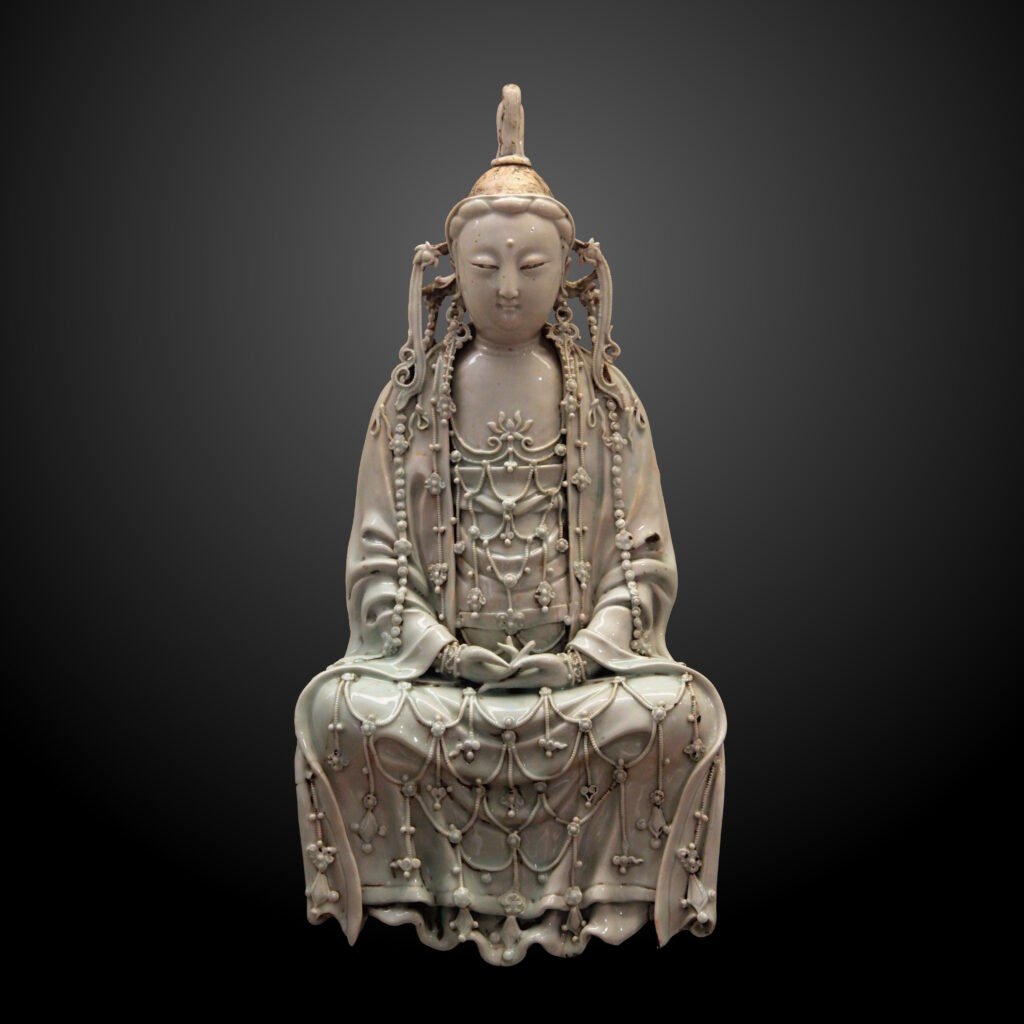
Overview Mahayana Buddhism is one of the two major branches of Buddhism, alongside Theravada, and became the dominant form of Buddhism across China, Japan, Korea, Vietnam, and Tibet. Its name, meaning Great Vehicle, reflects its self-understanding as a spacious path capable of carrying many beings toward liberation rather than a narrower path focused on individual
Mahayana Buddhism Read More »
A major branch of Buddhism emphasizing the path of the bodhisattva, who seeks enlightenment not only for themselves but to help liberate all sentient beings.
Overview Shamanism refers to a broad family of spiritual practices found across many indigenous cultures in which a specialized practitioner, the shaman, mediates between the human community and the spirit world. The term originates from the Tungusic languages of Siberia but has been applied more broadly by anthropologists to similar practices found from the Americas
Shamanism Read More »
A broad category of spiritual practice in which a shaman mediates between the human and spirit worlds, often through trance, ritual, and healing work.
Overview Shia Islam is the second-largest branch of Islam, distinguished from the Sunni majority primarily by its belief that leadership of the Muslim community rightfully belonged to Ali, the Prophet Muhammad cousin and son-in-law, and his descendants. This disagreement over succession, which emerged shortly after the Prophet death, developed over subsequent centuries into distinct theological
Shia Islam Read More »
A major branch of Islam holding that leadership of the Muslim community rightfully passed to the Prophet descendants through his cousin and son-in-law Ali.
Overview Sufism refers to the mystical dimension of Islam, in which practitioners emphasize direct, experiential closeness to God alongside the outward practice of Islamic law and ritual. Rather than forming a separate religion, Sufism developed within Islam as a spiritual path pursued by individuals and organized communities seeking a deeper inward relationship with the divine.
Sufism Read More »
The mystical dimension of Islam, emphasizing direct personal experience of the divine through spiritual practice, often guided by a teacher within an established order.
Overview Sunni Islam is the largest branch of Islam, followed by the great majority of Muslims worldwide, and is distinguished from Shia Islam primarily by its acceptance of the early caliphs chosen by the Muslim community after the Prophet Muhammad death as his legitimate successors. The term Sunni derives from sunnah, referring to the example
Sunni Islam Read More »
The largest branch of Islam, holding that the early caliphs chosen by the Muslim community after the Prophet death were legitimate leaders.
Overview Theravada Buddhism, meaning the Doctrine of the Elders, is one of the two major branches of Buddhism and is generally regarded as preserving teachings closest to the earliest recorded discourses of the historical Buddha. It is the dominant tradition across much of Southeast Asia, including Sri Lanka, Thailand, Myanmar, Cambodia, and Laos. Core Teachings
Theravada Buddhism Read More »
A major branch of Buddhism, dominant in Southeast Asia, that emphasizes the earliest recorded teachings of the Buddha and individual liberation through monastic discipline.
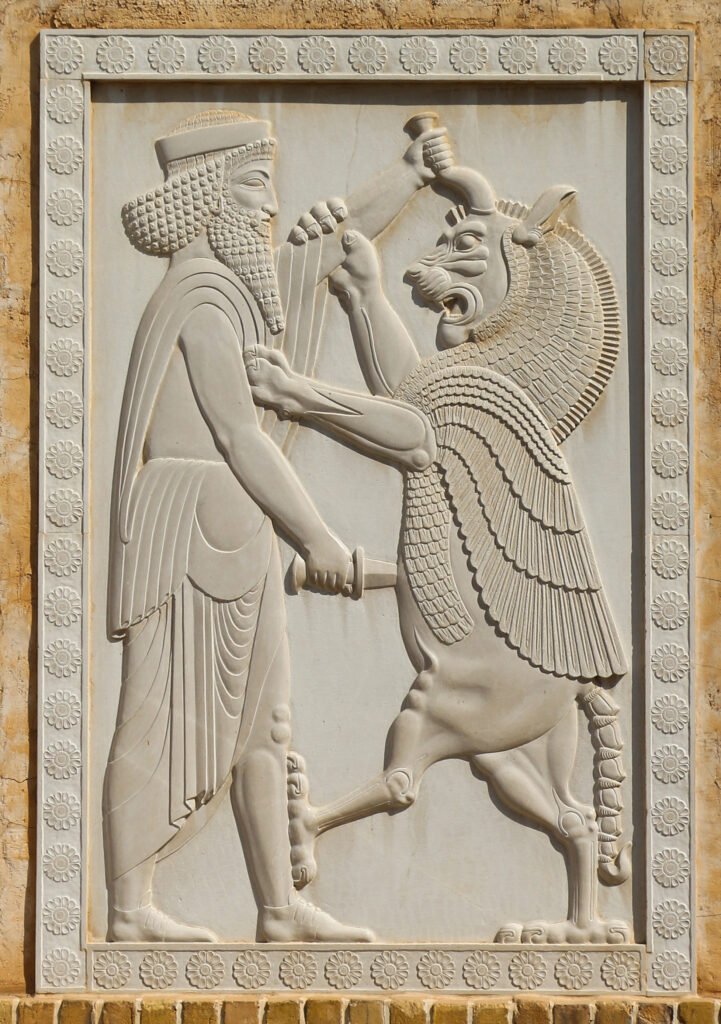
Overview Zoroastrianism is one of the oldest monotheistic religions in continuous practice, founded in ancient Persia by the prophet Zoroaster, also known as Zarathustra. Its teachings center on Ahura Mazda, a single supreme god associated with wisdom, order, and truth, who is understood to be locked in an ongoing cosmic struggle against the forces of
Zoroastrianism Read More »
An ancient Persian religion founded by the prophet Zoroaster, centered on the cosmic struggle between truth and falsehood and reverence for fire as a symbol of purity.