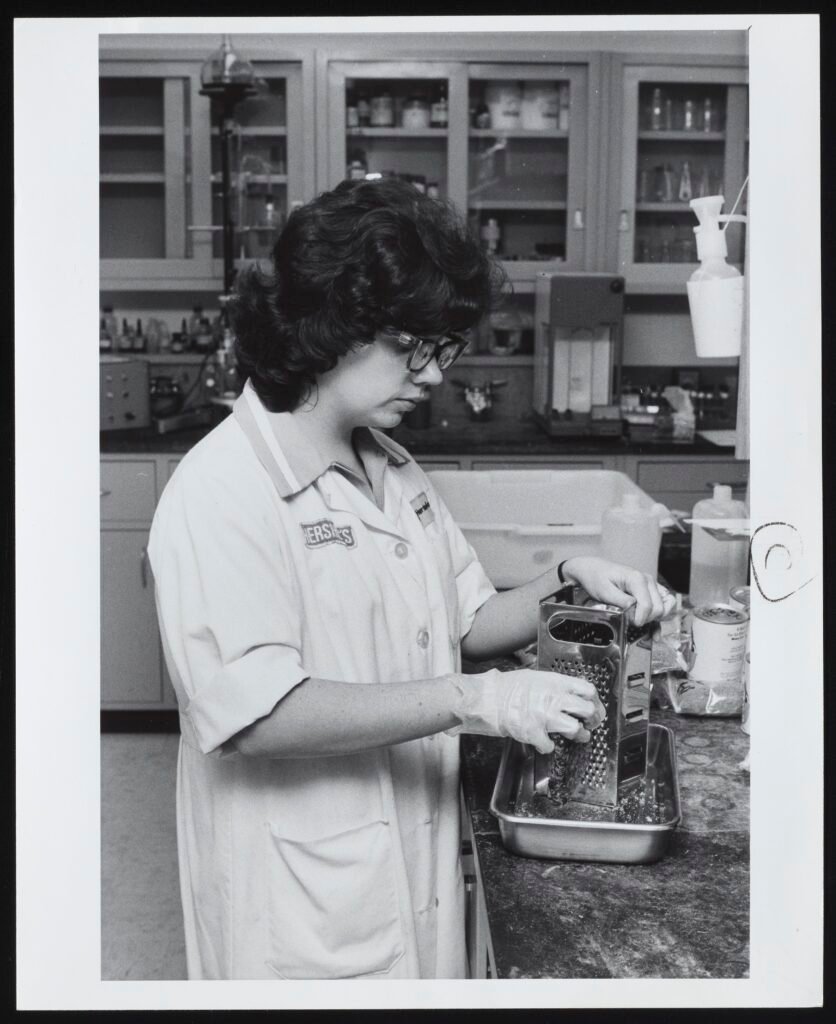
Quality assurance in food production is the systematic set of planned activities designed to ensure that a food product consistently meets defined quality, safety, and regulatory standards before it ever reaches a customer. Unlike quality control, which involves testing and inspecting finished products, quality assurance focuses on building reliable processes throughout production so that defects and failures are prevented from occurring in the first place.
Quality Assurance Versus Quality Control
Quality control is reactive, catching defects through inspection and testing after a product or batch is already made, while quality assurance is proactive, designing and auditing the processes, equipment, and supplier relationships that determine whether defects are likely to occur at all. A food company with strong quality assurance invests heavily in process design, staff training, and supplier vetting specifically to reduce how often quality control testing finds a problem in the first place, treating inspection as a safety net rather than the primary defense.
Core Components
Supplier qualification programs assess and monitor ingredient suppliers to ensure raw materials meet required specifications before they ever enter a facility, reducing risk introduced from outside the company’s own direct control. Standard operating procedures document exactly how each production step should be performed, creating consistency across shifts and locations and providing a basis for training new employees. Internal and third-party audits periodically verify that documented procedures are actually being followed in practice, catching gaps between what a company says it does and what actually happens on the production floor.
Certification and Industry Standards
Many food companies pursue internationally recognized quality management certifications, such as ISO 9001 or standards recognized under the Global Food Safety Initiative, which require documented quality systems and regular external audits to maintain certification. These certifications increasingly function as a prerequisite for doing business with major retailers and food service companies, who use certification status as a quick way to vet supplier quality systems without conducting a full independent audit of every potential vendor themselves.
Continuous Improvement
Mature food quality assurance programs incorporate continuous improvement cycles, systematically reviewing audit findings, customer complaints, and near-miss incidents to identify process weaknesses before they result in an actual quality failure or recall, treating quality assurance as an evolving system rather than a fixed set of rules established once and never revisited. This proactive review process distinguishes genuinely robust quality assurance programs from companies that treat certification as a one-time compliance exercise rather than an ongoing operational discipline.
Role of Technology
Increasingly, food companies use digital quality management systems to track audit findings, corrective actions, and supplier performance data in real time, replacing older paper-based record systems that made it difficult to spot emerging patterns across multiple facilities or suppliers quickly enough to prevent a developing problem from escalating into a widespread quality or safety incident.
Quality Assurance Careers and Roles
Dedicated quality assurance professionals, including quality managers and food safety specialists, typically work closely with production, procurement, and regulatory affairs teams, serving as an internal check that balances production efficiency pressure against the consistent quality and safety standards a company has committed to, a role that requires both technical food science knowledge and the organizational authority to halt production when a genuine concern arises.
Quality Assurance in Small Versus Large Operations
Large food manufacturers typically maintain dedicated quality assurance departments with specialized staff and formal audit schedules, while smaller producers often distribute quality assurance responsibilities across existing staff or rely more heavily on third-party certification bodies to provide the independent verification that a larger company might otherwise perform internally, illustrating how quality assurance structure scales with company size even as the underlying goal, consistent, defect-preventing processes, remains the same.
Quality Assurance Metrics and Reporting
Quality assurance teams typically track key performance indicators such as audit scores, customer complaint rates, and the frequency of corrective actions over time, giving leadership an ongoing quantitative picture of quality system health rather than relying solely on the pass-or-fail outcome of periodic formal certification audits, which only provide a snapshot at a single point in time.
Quality Assurance and Brand Reputation
Strong quality assurance programs are increasingly framed by food companies as a brand protection investment as much as a regulatory necessity, since a single serious quality or safety failure can cause lasting reputational damage that persists well beyond the direct financial cost of any associated recall or litigation, making robust internal quality systems a competitive differentiator rather than merely a compliance cost in an industry increasingly shaped by consumer trust.
As global supply chains grow more complex, quality assurance teams increasingly coordinate directly with suppliers’ own quality systems rather than treating supplier vetting as a one-time onboarding step, reflecting a shift toward ongoing collaborative quality management across the entire supply chain rather than isolated checks at each individual company.
As consumer and regulatory expectations continue rising, the line between baseline legal compliance and genuinely robust quality assurance is likely to keep shifting upward, with practices considered advanced today gradually becoming the expected minimum standard across the broader food industry in years to come.
Food industry conferences and trade publications regularly feature quality assurance case studies, sharing lessons learned from both successful quality programs and notable failures, building a shared body of practical knowledge that helps the broader industry continuously raise its collective quality management standards over time.
Quality assurance, ultimately, is as much about organizational discipline and culture as it is about any specific technical procedure, since the most sophisticated quality system still depends on people consistently choosing to follow it.
More in Food Safety & Quality
Key facts
- Quality assurance is proactive; quality control is reactive inspection.nSupplier qualification programs vet raw materials before they enter a facility.nStandard operating procedures ensure production consistency across shifts.nISO 9001 and GFSI certifications are common food industry quality standards.
Related concepts
Quick checkWhat is the main difference between quality assurance and quality control?Show answer
Quality assurance proactively builds reliable processes to prevent defects, while quality control reactively inspects and tests finished products.
Sources
- ISO 9001 Quality Management, Global Food Safety Initiative standards
Editorially reviewed by Specialty Digest Editorial TeamLast reviewed November 3, 2026Researched and drafted with AI assistanceReport an issue