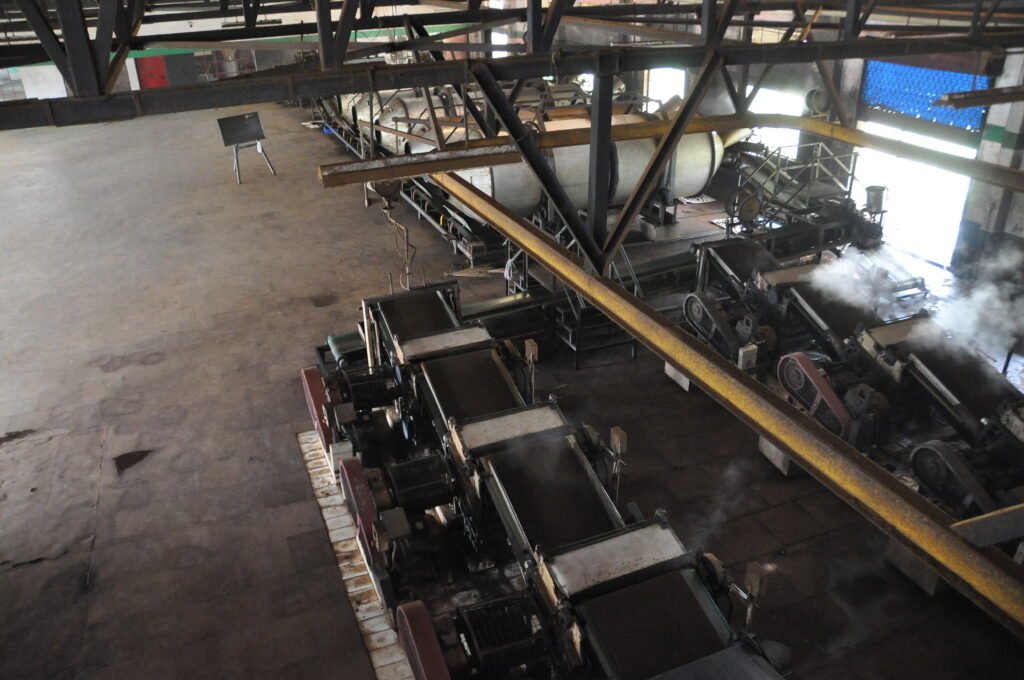
Tea processing is the series of steps applied to freshly harvested tea leaves that determines which of the major tea categories, including green, white, oolong, and black tea, the finished product becomes. Remarkably, nearly all true tea originates from the same plant species, Camellia sinensis, meaning processing method rather than plant variety is primarily responsible for the dramatic differences between tea types.
Oxidation as the Key Variable
Oxidation, often loosely called fermentation in tea terminology though it is chemically distinct from true fermentation, occurs when enzymes in the leaf react with oxygen after cell walls are broken, darkening the leaf and transforming its flavor from grassy and vegetal toward deeper, maltier, or fruitier notes depending on oxidation extent. Green tea is minimally oxidized, typically heated or steamed quickly after picking to halt enzymatic activity almost immediately, preserving a fresh, vegetal character. Black tea is fully oxidized, developing the deep color and robust, often malty flavor most associated with Western tea drinking, while oolong tea falls between these extremes, partially oxidized to varying degrees that produce a wide spectrum of flavor profiles within that single category.
Processing Steps
After harvesting, leaves are withered, losing moisture that makes them pliable enough for the next step without breaking. Rolling or bruising breaks cell walls to initiate oxidation, where applicable, releasing enzymes and juices that drive the chemical transformation central to black and oolong tea character. Firing or drying halts the process at the desired point and removes remaining moisture for stability and storage, while sorting and grading separate the finished leaves by size and quality before packaging.
White Tea and Minimal Processing
White tea undergoes the least processing of any major category, simply withered and dried with no rolling or deliberate oxidation step, preserving delicate flavor and a high concentration of young leaf buds that give white tea its characteristically light, subtle character. This minimal intervention approach stands in direct contrast to the more labor-intensive, multi-step processing required to produce black and oolong teas, illustrating how processing complexity rather than raw material alone defines each tea category’s final character.
Black Tea Full Oxidation
Black tea undergoes complete oxidation, during which enzymes convert polyphenols into theaflavins and thearubigins that give the leaf its dark color and malty, robust flavor. Production methods vary between orthodox processing, which preserves whole or lightly broken leaves for complex flavor, and the faster cut-tear-curl method used for most tea bags, which produces smaller particles that brew quickly but with less nuance.
Oolong and Partial Oxidation
Oolong teas occupy a wide spectrum between green and black tea, oxidized anywhere from ten to eighty percent depending on style. Taiwanese high-mountain oolongs are often lightly oxidized and rolled into tight balls, yielding floral, creamy flavors across multiple infusions, while darker, more heavily oxidized and roasted oolongs from Fujian develop toasted, mineral notes reminiscent of black tea.
Terroir and Grading Systems
Like wine grapes, tea bushes express distinct character based on elevation, soil, and microclimate, with high-altitude gardens generally prized for slower growth and concentrated flavor compounds. Grading systems such as the orange pekoe scale classify leaf size and style for black tea, though these grades describe leaf appearance rather than quality directly, and connoisseurs rely more on cupping and origin reputation to judge a tea’s true character.
Brewing Parameters and Ritual
Water temperature, steeping time, and leaf-to-water ratio all shape how a tea’s flavor compounds extract, with delicate green and white teas typically brewed at lower temperatures to avoid drawing out excessive bitterness from tannins, while robust black teas tolerate near-boiling water. Many tea-producing cultures have developed formal brewing rituals, such as the Chinese gongfu method using small vessels and multiple short infusions, or the Japanese tea ceremony’s precise, meditative preparation of matcha, that elevate tea preparation into a structured cultural practice rather than simple beverage making. These rituals often emphasize repeated infusions of the same leaves, with flavor evolving across each steep as different compounds extract at different rates, rewarding patience and attentive brewing over rushed, single-use preparation.
Global Tea Trade and Economic Role
Tea remains one of the most widely consumed beverages in the world, supporting agricultural economies across major producing countries such as China, India, Kenya, and Sri Lanka, where smallholder farms and large estates alike depend on export markets for income. Historical trade routes, including the colonial-era plantation systems established by European powers in South Asia, shaped much of the modern tea industry’s structure and continue to influence labor practices and certification efforts around fair trade and sustainable sourcing today. Auction houses in producing countries set benchmark prices that ripple through the global supply chain, connecting a single estate’s harvest to supermarket shelves worldwide.
Matcha and Powdered Preparation
Matcha, a shade-grown green tea ground into fine powder, is whisked directly into water rather than steeped and strained, consuming the whole leaf rather than an infusion of it. This preparation delivers a more concentrated dose of flavor compounds and has driven matcha’s popularity well beyond traditional ceremony into cafes and packaged foods worldwide.
Herbal and Tisane Alternatives
Herbal infusions, often loosely called herbal tea or tisane, are brewed from leaves, flowers, roots, or bark unrelated to the Camellia sinensis plant, including chamomile, peppermint, and rooibos. Though botanically distinct from true tea, these infusions share preparation techniques and cultural rituals with tea drinking and are frequently sold alongside true teas, broadening the category’s commercial reach even as purists reserve the term tea strictly for Camellia sinensis products.
These herbal alternatives have become central to the wellness beverage market, often marketed for calming or digestive properties even though scientific support for specific health claims varies widely across different plants and preparations.
Key facts
- Nearly all true tea comes from the same plant, Camellia sinensis.nOxidation level is the primary factor distinguishing tea categories.nGreen tea is minimally oxidized; black tea is fully oxidized.nWhite tea undergoes the least processing of any major tea category.
Quick checkWhat determines whether tea becomes green, black, or oolong?Show answer
The level of oxidation during processing primarily determines the tea category, since all three typically come from the same plant species.
Sources
- Tea Association of the USA, International Tea Committee
Editorially reviewed by Specialty Digest Editorial TeamLast reviewed November 3, 2026Researched and drafted with AI assistanceReport an issue