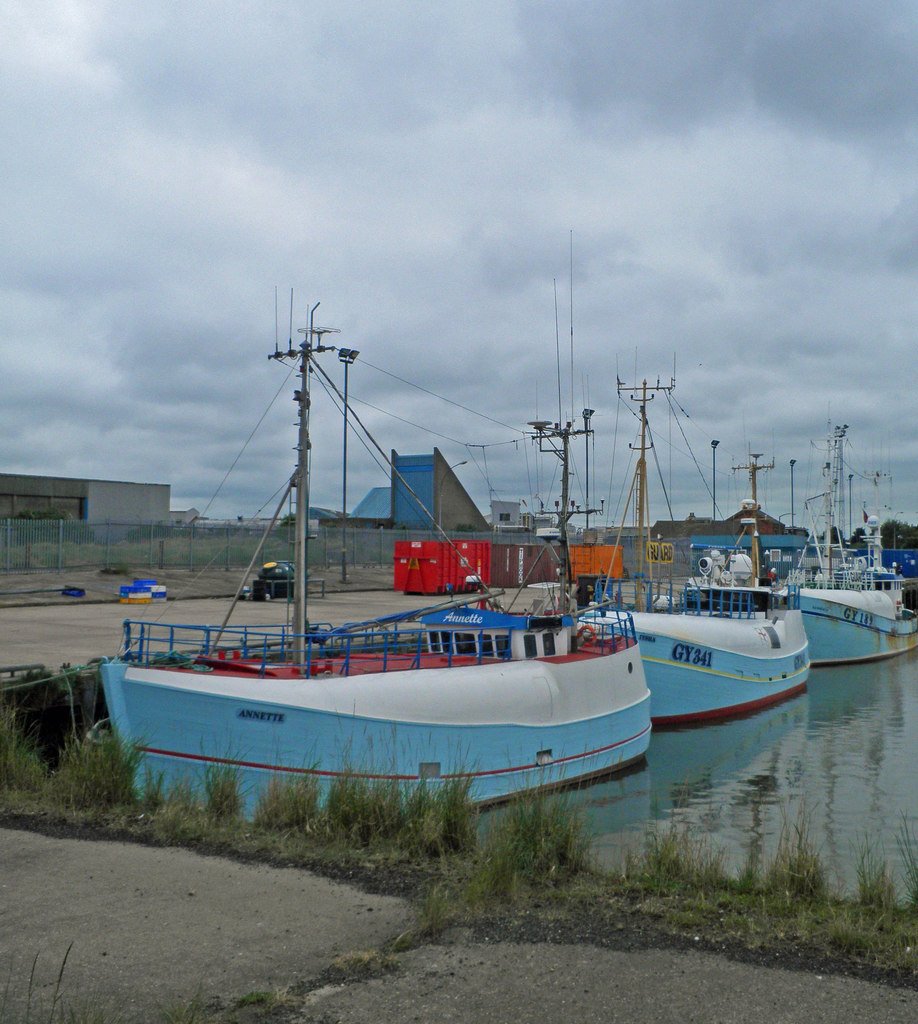
Trawling is a fishing method in which a large net, called a trawl, is towed through the water or along the seafloor behind one or more vessels to capture fish, shrimp, or other seafood. It is one of the most widely used commercial fishing techniques in the world, prized for its efficiency at catching large volumes but scrutinized for its potential environmental impact.
Main Types of Trawling
Bottom trawling drags a weighted net directly along the seafloor to catch species like shrimp, flatfish, and groundfish that live on or near the bottom, while midwater or pelagic trawling tows a net through open water at a chosen depth to target schooling species such as herring or pollock. Otter trawls use outward-angled boards called otter boards to spread the net mouth open, while beam trawls rely on a rigid metal beam for the same purpose.
Environmental Impact of Bottom Trawling
Heavy trawl gear dragged repeatedly across the seafloor can flatten complex habitats such as coral, sponge beds, and rocky reef structures that take decades or centuries to recover, and it often disturbs sediment in ways that affect water clarity and seafloor-dwelling organisms. Because trawl nets are relatively unselective, bottom trawling has historically produced some of the highest bycatch rates of any fishing method.
Gear Modifications and Regulation
Innovations such as reduced ground-gear contact, lighter trawl doors, and escape panels sewn into nets allow smaller or non-target species to avoid capture while retaining the intended catch. Many jurisdictions now close ecologically sensitive areas, such as known deep-sea coral habitats, to bottom trawling entirely, and some fisheries require trawl nets fitted with specific bycatch reduction devices.
Fuel Use and Efficiency
Trawling is generally more fuel-intensive per unit of catch than passive gear types like longlines or traps, since vessels must continuously power through the water to keep the net open and moving, and bottom trawling in particular requires significant force to drag gear across the seafloor. This has made trawling a frequent focus of efforts to reduce the carbon footprint of commercial fishing fleets.
Role in Global Seafood Supply
Despite its environmental tradeoffs, trawling remains central to global seafood supply, producing a large share of the world’s wild-caught shrimp, flatfish, and groundfish, and supporting substantial employment in coastal fishing communities. Ongoing research into gear design and marine spatial planning aims to preserve these economic benefits while reducing trawling’s habitat and bycatch impacts.
Historical Development
Trawling expanded dramatically in the twentieth century alongside the introduction of steam and then diesel-powered vessels, which allowed boats to tow much larger and heavier nets than sailing vessels ever could, and alongside synthetic fiber nets that were stronger and more durable than earlier natural-fiber designs. This mechanization greatly increased catch efficiency but also accelerated depletion of some heavily trawled stocks and seafloor habitats well before modern management systems were in place to regulate it.
Marine Spatial Planning
Many coastal nations now use marine spatial planning to designate where trawling is permitted, restricted, or banned entirely, balancing fishing access against conservation of sensitive habitats, shipping lanes, and other competing ocean uses. These zoning schemes increasingly incorporate seafloor mapping data to identify and protect vulnerable habitat features, such as deep-sea coral gardens, before they are damaged by trawl gear.
Comparing Trawling to Other Gear Types
Compared with passive gear such as traps, pots, and hook-and-line methods, trawling generally covers more area and catches more fish per trip but offers less control over exactly what is caught, a tradeoff that fisheries managers weigh when deciding which gear types to permit in a given area. Some fisheries that once relied heavily on trawling have shifted partially toward more selective gear as part of broader sustainability reforms, though trawling often remains more economically efficient for harvesting certain schooling or bottom-dwelling species at commercial scale.
Deep-Sea and Bottom Trawling Debates
Trawling in deep waters beyond continental shelves has drawn particular scrutiny because deep-sea habitats such as cold-water corals grow extremely slowly and can take centuries to recover from physical damage, if they recover at all. Several regional fisheries bodies have designated deep-sea vulnerable marine ecosystems as off-limits to bottom trawling specifically because of this slow recovery, reflecting a precautionary approach to habitats where the consequences of damage are effectively permanent on human timescales.
Looking Ahead
Continued refinement of lighter, more fuel-efficient trawl designs and expanded no-trawl zones around sensitive habitats are likely to remain central themes in efforts to reconcile trawling’s productivity with its environmental footprint. Growing consumer and retailer demand for certified sustainable seafood is also pushing some trawl fisheries toward voluntary gear and practice improvements ahead of formal regulatory requirements.
Employment and Fleet Structure
Trawl fleets range from small single-vessel family operations to large industrial ships capable of processing and freezing catch at sea during multi-week trips far from port, and this diversity means that regulatory changes affecting trawling can have very different economic effects depending on fleet size and ownership structure. Policymakers weighing new trawling restrictions often must balance ecological goals against the livelihoods of fishing communities built around trawl-based employment over multiple generations.
Related Specialties
Naval architects and gear engineers work closely with fisheries scientists to design trawl systems that balance catch efficiency, fuel economy, and habitat impact, an interdisciplinary collaboration that has driven most of the significant gear improvements adopted over the past several decades. This engineering dimension is often underappreciated compared with the policy and biology side of trawling debates.
As fisheries worldwide continue to weigh trawling’s efficiency against its habitat and bycatch costs, ongoing gear innovation and smarter spatial management are likely to remain the primary paths toward reconciling these competing priorities.
Key facts
- Bottom trawling targets seafloor species; midwater trawling targets schooling fish.|Can damage seafloor habitats like coral and sponge beds.|Historically associated with high bycatch rates.|Remains a major source of global wild-caught seafood.
Quick checkWhat is the difference between bottom trawling and midwater trawling?Show answer
Bottom trawling drags a net along the seafloor to catch species like shrimp and flatfish, while midwater trawling tows a net through open water to catch schooling fish such as herring.
Sources
- NOAA Fisheries; FAO Fisheries and Aquaculture Department
Editorially reviewed by Specialty Digest Editorial TeamLast reviewed November 3, 2026Researched and drafted with AI assistanceReport an issue