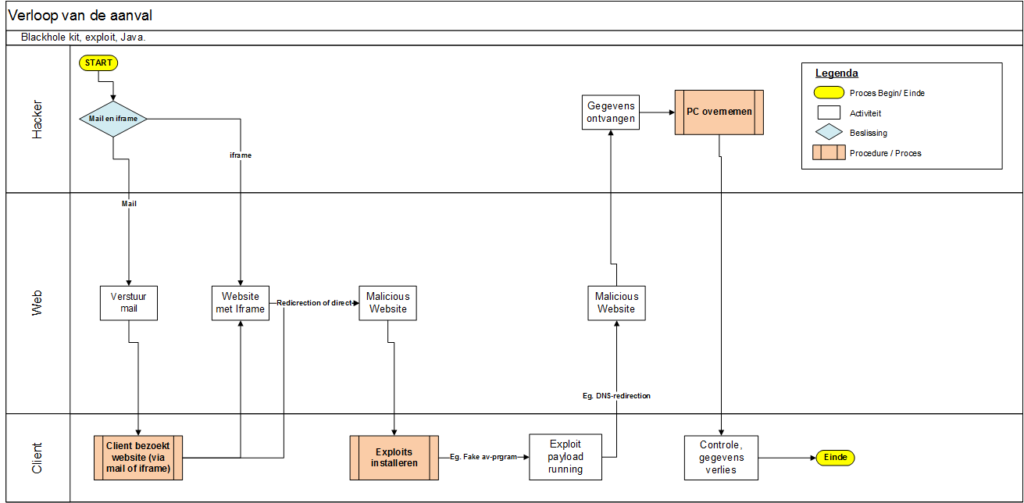
A zero-day vulnerability is a previously unknown flaw in software or hardware that attackers can exploit before the organization responsible for maintaining that product has had any opportunity to identify, acknowledge, or fix it. The name refers to the fact that defenders have had zero days to prepare a patch or defense by the time the flaw becomes known or actively exploited, which makes zero-day vulnerabilities especially dangerous: standard defenses that rely on recognizing known threats, such as traditional antivirus signatures, are far less effective against an attack technique nobody has documented or prepared for yet.
From Discovery to Exploitation
A zero-day vulnerability can be discovered by many different kinds of people, including the software vendor’s own internal security researchers, independent security researchers who study products looking for flaws, and malicious attackers who may be the first to find a given weakness. What happens after discovery depends heavily on who finds it first and what they choose to do. A security researcher who finds a vulnerability typically practices responsible disclosure, privately notifying the affected vendor and giving them a reasonable window of time to develop and release a fix before any public details are revealed, reducing the risk that attackers learn about the flaw before a patch exists.
An attacker who discovers or purchases knowledge of a zero-day vulnerability instead develops a zero-day exploit, a piece of code or technique specifically crafted to take advantage of that flaw, often targeting high-value victims quietly for as long as possible precisely because public awareness would prompt the vendor to rush out a fix, closing the window of opportunity. A thriving, highly secretive market exists for buying and selling knowledge of unpatched zero-day vulnerabilities, with buyers ranging from criminal groups seeking to deploy ransomware or steal data to government agencies interested in such flaws for intelligence-gathering or offensive cyber operations, and sellers sometimes able to command prices reaching well into the hundreds of thousands or even millions of dollars for a particularly valuable and hard-to-find flaw in widely used software.
Patching and the Ongoing Race
Once a vendor becomes aware of a zero-day vulnerability, whether through responsible disclosure or because it is already being actively exploited in the wild, the vendor typically works to develop and release a security patch, a software update that closes the flaw, as quickly as possible. The period between a vulnerability first being actively exploited and a patch becoming available, and then actually being installed on vulnerable systems, represents the period of greatest risk, since defenders during that window often have few options beyond workarounds, enhanced monitoring for suspicious activity, or in some cases temporarily disabling the affected feature entirely until a proper fix arrives.
Even after a patch is released, a vulnerability does not stop being dangerous immediately, since many organizations and individuals take time, sometimes a long time, to actually apply available security updates, leaving a substantial population of still-vulnerable systems that attackers can continue to target using exploit code that has by then often become widely known and easy to reuse. This gap between patch availability and widespread patch adoption is one of the main reasons that prompt, consistent software updating remains one of the single most effective and widely recommended cybersecurity practices for both individuals and organizations.
Notable Zero-Day Incidents
Several zero-day vulnerabilities have become widely known well beyond cybersecurity circles because of the scale of disruption they caused. A sophisticated piece of malware discovered in 2010, widely believed to have been built by a nation-state, used multiple previously unknown zero-day vulnerabilities simultaneously to damage industrial control equipment, demonstrating how such flaws can be weaponized for physical sabotage rather than only data theft. Other widely reported zero-day vulnerabilities have affected software used by billions of people, including web browsers, mobile operating systems, and widely used business software, sometimes allowing attackers to compromise devices with no action at all required from the victim beyond simply receiving a malicious message or visiting a compromised website.
Zero-day vulnerabilities affecting widely used enterprise software have also repeatedly led to large-scale breaches affecting thousands of organizations simultaneously, since a single flaw in software used broadly across many companies can be exploited against every vulnerable customer before patches are widely applied. These incidents have pushed many large organizations to invest heavily in faster patch deployment processes, continuous monitoring for signs of exploitation, and bug bounty programs that pay independent researchers to responsibly report vulnerabilities they discover rather than selling that knowledge elsewhere.
Frequently Asked Questions
Why are zero-day vulnerabilities considered especially dangerous? Because the flaw is unknown to the vendor and the public when it is first exploited, no patch or specific defense exists yet, and security tools that rely on recognizing previously documented threats offer little protection against an attack technique nobody has seen or analyzed before.
What is responsible disclosure? Responsible disclosure is the practice of a security researcher privately notifying a software vendor about a newly discovered vulnerability and giving them a reasonable amount of time to develop and release a fix before publicly revealing technical details, reducing the risk that attackers learn about the flaw before it can be patched.
Why does installing software updates promptly matter so much for security? A vulnerability remains exploitable on any system that has not yet applied the available patch, and since exploit details and tools often become widely known and easy to reuse once a patch is released, delaying an update leaves a system exposed to attacks that have effectively become public knowledge even though a fix already exists.
Key facts
- The term reflects that defenders have had zero days to prepare a fix when a flaw is exploited.
- Responsible disclosure gives vendors time to patch before details become public.
- A secretive market exists for buying and selling knowledge of unpatched zero-days.
- The gap between exploitation and patching is the period of greatest risk.
- Delayed patch adoption leaves systems exposed even after a fix is released.
Quick checkWhy are zero-day vulnerabilities so much harder to defend against than known threats?Show answer
Because the flaw is unknown to the vendor and the public when first exploited, no patch exists yet and security tools built to recognize previously documented threats offer little protection against an attack technique nobody has analyzed before.
Sources
- CISA Known Exploited Vulnerabilities Catalog; Project Zero research publications
Editorially reviewed by Specialty Digest Editorial TeamLast reviewed November 2, 2026Researched and drafted with AI assistanceReport an issue