High blood pressure is almost never caused by one single thing — it’s usually a combination of biology, habits and time, which is part of why so many people who have it couldn’t say exactly why. The scale of it is striking: more than 9 in 10 Americans will develop high blood pressure at some point in their lives, according to the CDC.
What causes it in most people
Doctors call the most common form primary, or essential, hypertension — and for the vast majority of adults who have it, there’s no single identifiable trigger to point to. Instead, it develops gradually over years as arteries stiffen and narrow, often from a buildup of plaque, making it harder for blood to flow and forcing the heart to pump against more resistance. Age, genetics and lifestyle all feed into that slow-moving process, which is why blood pressure tends to creep upward as people get older even when nothing else about their health has obviously changed.
The lifestyle factors that push it higher
A cluster of everyday habits has an outsized effect on blood pressure. Diets heavy in sodium and light on potassium are a major driver, because sodium causes the body to hold onto extra fluid, which adds volume — and pressure — to the bloodstream. Being inactive, carrying excess weight, drinking above the CDC’s guideline of one drink a day for women or two for men, and smoking all push blood pressure higher too. Smoking is particularly damaging because nicotine constricts blood vessels and injures their lining over time. None of these factors act alone; they tend to compound each other, which is also why addressing more than one at once — cutting back on sodium while adding regular walks, say — tends to produce the biggest improvements rather than tackling just one in isolation.
When there’s a specific medical cause behind it
A smaller share of cases, known as secondary hypertension, can be traced to an identifiable underlying condition. Kidney disease, thyroid disorders, obstructive sleep apnea and hormone-producing adrenal gland tumors are among the most common culprits. Certain medications and substances play a role too, including some decongestants, long-term use of certain pain relievers, birth control pills and stimulant drugs like cocaine or amphetamines. Secondary hypertension is a useful clue for doctors precisely because it behaves differently — it tends to appear more suddenly and push readings higher than the primary form does, which often prompts additional testing to find and treat the root cause directly rather than just managing the number.
Who is most at risk
Some risk factors are baked in and can’t be changed. Family history matters — hypertension runs in families, suggesting a genetic component that interacts with lifestyle rather than acting alone. Risk also climbs with age, and Black Americans tend to develop high blood pressure earlier and more often than other groups, for reasons researchers are still working to fully untangle. People with diabetes face substantially higher odds as well; roughly 6 in 10 adults with diabetes also have high blood pressure, which is why the two conditions are so often managed together. Pregnancy can bring on its own temporary form of hypertension, which doctors monitor closely because it can affect both parent and baby.
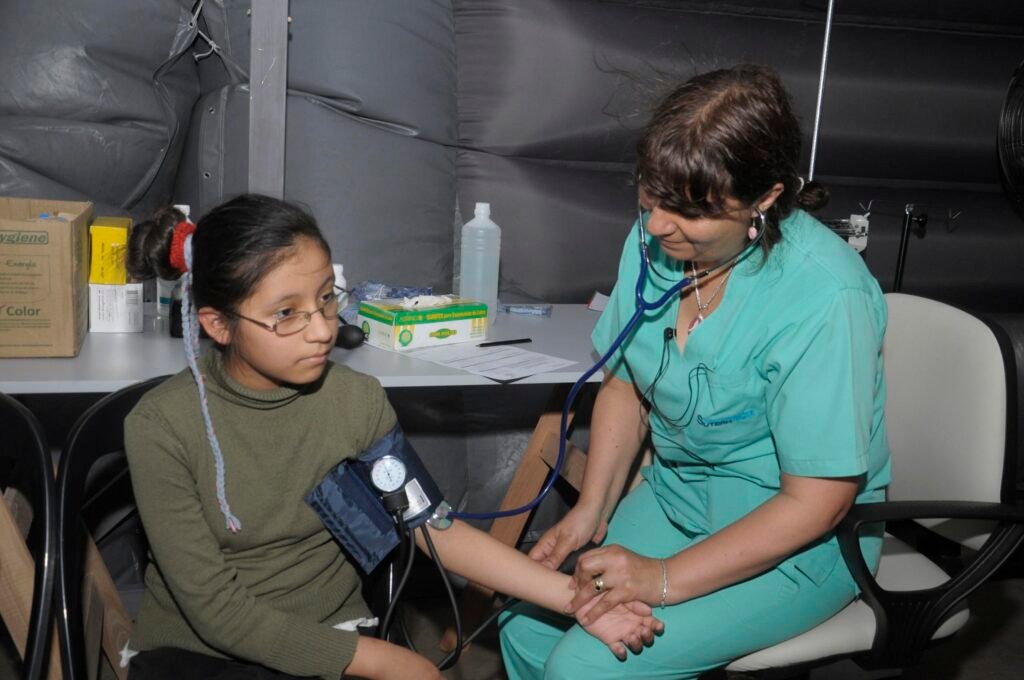
Because high blood pressure typically causes no symptoms on its own, the only way to actually know where you stand is to get it checked — a five-minute reading at a pharmacy or doctor’s office is usually enough to start the conversation. That’s a meaningful gap between how the condition feels and what it’s actually doing: a person can have elevated pressure for years, feel entirely fine, and have no reason to suspect anything is wrong without a reading to tell them otherwise. Knowing which of these risk factors apply to you personally, and which ones are within your control, is the starting point for deciding what to do about it with a healthcare provider.