Overview
Criminal investigation is the structured process law enforcement agencies use to determine whether a crime has been committed and, if so, to identify and build a case against the individuals responsible. It combines the systematic collection of physical evidence, the gathering of witness and victim statements, and increasingly the analysis of digital records and forensic science.
Investigative process
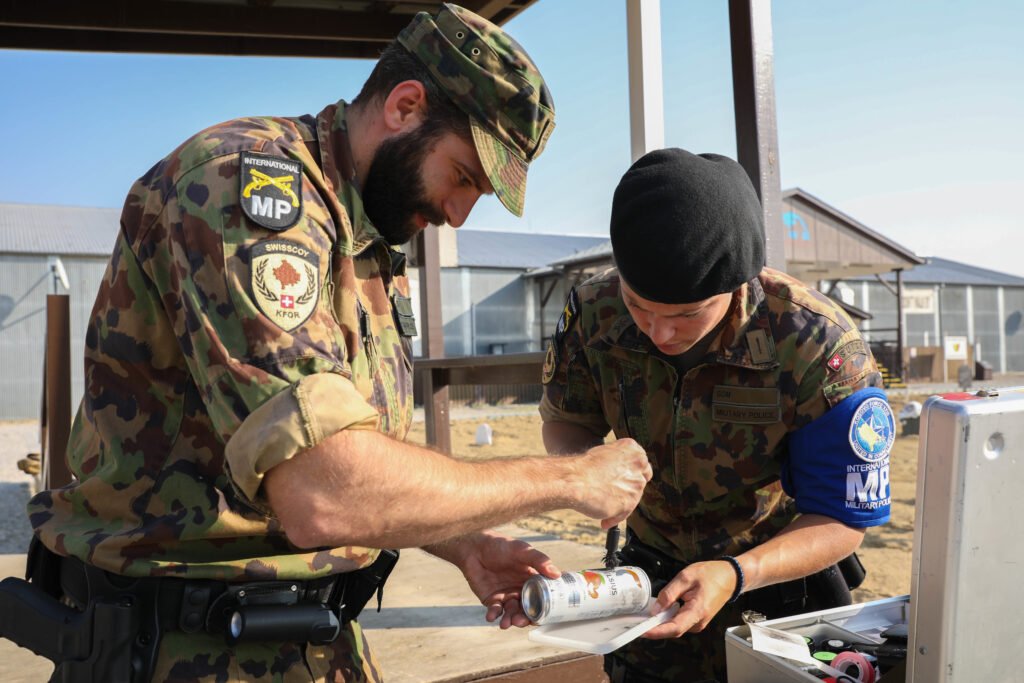
A typical investigation begins with securing and documenting a crime scene to preserve evidence, followed by the collection of physical evidence such as fingerprints, biological material, or weapons, and the interviewing of victims, witnesses, and potential suspects. Investigators must carefully document each step, since the chain of custody for evidence and the methods used to obtain statements can later be challenged in court.
Legal constraints
Criminal investigations operate within a framework of legal rules designed to balance effective law enforcement against individual rights, including restrictions on search and seizure, requirements to inform suspects of certain rights before questioning, and rules governing how evidence may be collected and preserved. Evidence obtained in violation of these rules can sometimes be excluded from use in a subsequent trial.
Role of forensic science
Modern criminal investigation increasingly depends on forensic science, including DNA analysis, digital forensics, and ballistic examination, which can provide objective evidence linking a suspect to a crime scene or victim. The growing reliability and availability of forensic techniques has transformed many aspects of investigative practice, though it has also raised questions about the proper handling, interpretation, and presentation of complex scientific evidence in court.
Role of investigators
Criminal investigations are typically led by detectives or investigators who specialize in building cases through sustained follow up work, in contrast to patrol officers who generally respond to the initial incident. Investigators must balance thoroughness against the practical constraints of limited time and resources, often managing multiple cases simultaneously while prioritizing those most likely to be solved or those involving the most serious offenses.
Cold cases
Some criminal investigations remain unsolved for years or decades, becoming what are commonly called cold cases. Advances in forensic technology, particularly DNA analysis, have allowed some cold cases to be reopened and resolved using evidence collected long before such techniques existed, sometimes leading to the identification of offenders who had evaded detection for extended periods.
Interrogation practices
The interviewing of suspects is a particularly sensitive part of criminal investigation, since improper interrogation techniques have in some documented cases contributed to false confessions. This has led many departments to adopt interviewing methods designed to minimize suggestive questioning and to record interrogations, both to protect the integrity of the investigation and to provide a clear record in the event the interrogation is later challenged in court.
Collaboration across agencies
Complex criminal investigations, particularly those spanning multiple jurisdictions or involving organized criminal activity, often require collaboration between local, state, and federal agencies, each contributing different resources, jurisdictional authority, and specialized expertise, a coordination challenge that has led to the development of joint task forces and shared information systems designed to facilitate cooperation across agency boundaries.
Victim centered approaches
Modern investigative practice increasingly emphasizes victim centered approaches, particularly in cases involving sexual assault or domestic violence, recognizing that investigative techniques developed primarily around property crime do not always serve victims of interpersonal violence well, and that insensitive or retraumatizing interview practices can both harm victims and undermine the quality of evidence gathered during an investigation.
Wrongful convictions
The study of wrongful convictions, many of which have been identified and overturned through later DNA testing, has prompted significant reflection within the investigative community about practices such as suggestive eyewitness identification procedures and coercive interrogation techniques that can contribute to false confessions or mistaken identifications, driving reforms intended to reduce the risk of convicting innocent individuals.
Resource prioritization
Investigative agencies must continually prioritize which cases receive the most intensive resources, since not every reported crime can realistically receive the same level of investigative attention, a reality that has prompted ongoing debate about how these prioritization decisions are made and whether they fairly account for the severity of harm to victims across different categories of offense.
Training for investigators
Becoming a skilled investigator typically requires specialized training beyond basic police academy instruction, covering topics such as interview technique, evidence handling, and case documentation, with many departments requiring officers to accumulate patrol experience before being eligible for promotion into dedicated investigative roles.
Closing observation
As forensic and digital tools continue to expand what investigators can learn from available evidence, the fundamental work of criminal investigation still depends heavily on careful, methodical process and sound judgment applied consistently throughout a case.
No amount of technological advancement replaces the need for disciplined, ethical investigative practice at every stage of a case.
Final note
Training academies and professional associations continue to update investigative curricula as new evidentiary standards, legal rulings, and technologies emerge, reflecting the ongoing need for investigators to keep their practical skills and legal knowledge current throughout long careers in this demanding field.
This ongoing process of professional development is considered essential to maintaining investigative competence across an entire career.
Agencies that invest consistently in this development tend to produce more reliable outcomes across the full range of cases they handle.
This remains true even as the tools available to investigators continue to expand considerably.
It remains a core function of police work regardless of how the surrounding tools and technology continue to change over time.
Few would dispute its continued importance going forward.
Few would dispute its continued importance going forward.
Key facts
- Array
Quick checkWhat are the main categories of evidence gathered during a criminal investigation?Show answer
Investigators typically gather physical evidence from the crime scene, testimonial evidence from witnesses and suspects, and increasingly digital evidence from phones, computers, and surveillance systems.
Sources
- Array
Editorially reviewed by Specialty Digest Editorial TeamLast reviewed November 4, 2026Researched and drafted with AI assistanceReport an issue