Overview
Physical security covers the tangible measures an organization puts in place to prevent unauthorized people from physically reaching a facility, piece of equipment, or other protected asset. It complements rather than replaces cybersecurity, since a hacker who cannot breach a network remotely might instead attempt to walk into a data center and access equipment directly if physical barriers are weak.
Layered Design
Security professionals typically design physical security in layers, starting with the perimeter of a property, moving inward through the exterior of a building, then interior access controls, and finally protections around the specific asset itself, such as a locked server cabinet or a safe. This layered approach, sometimes called defense in depth, ensures that a single failed barrier does not immediately expose the protected asset, since an intruder must defeat multiple independent layers in sequence.
Layered Defense Principles
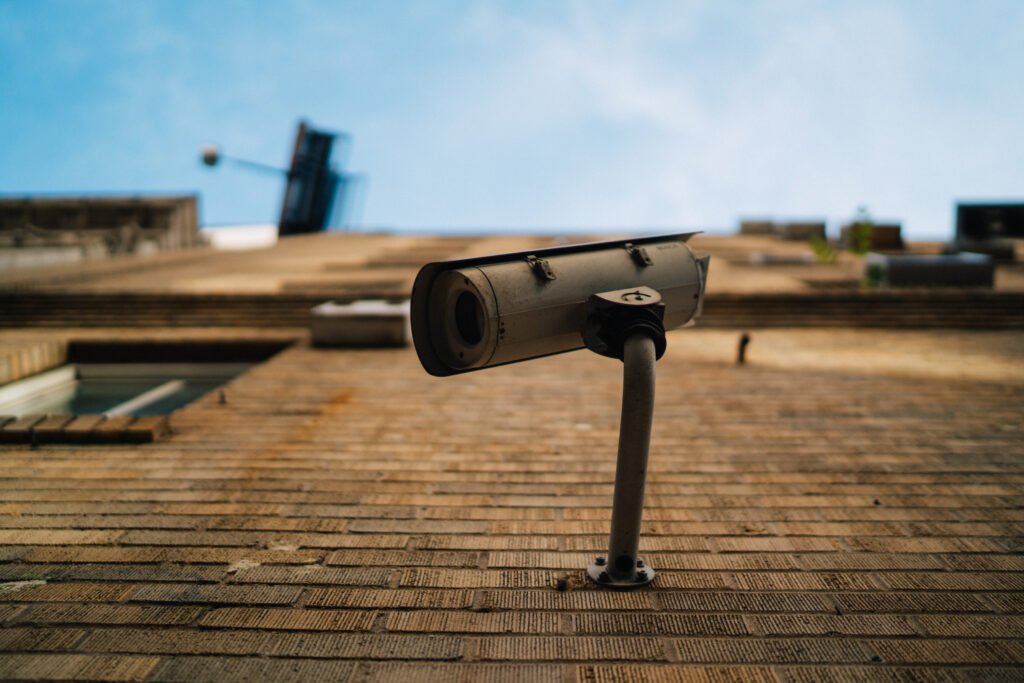
Physical security relies on a layered approach often described using the concept of concentric rings of protection, where each barrier a potential intruder must cross adds delay, detection, or deterrence. The outermost layer typically includes perimeter fencing, natural barriers, lighting, and signage warning that a property is monitored. Moving inward, the next layer often involves vehicle barriers, controlled parking areas, and exterior cameras positioned to capture approach routes. Building entrances form another layer, where locks, access control readers, and reception staff verify who may enter. Interior layers protect sensitive areas such as server rooms, cash handling areas, or executive offices with additional authentication requirements. Security professionals evaluate each layer for its ability to deter an adversary before an attempt begins, detect an intrusion as it happens, delay progress long enough for a response, and support eventual response and recovery. This framework is sometimes summarized as deter, detect, delay, and respond. Effective physical security programs integrate these layers with policies, trained personnel, and technology rather than relying on any single measure, since a determined intruder who defeats one barrier should still face additional obstacles before reaching a protected asset.
Perimeter and Barrier Design
Perimeter security design begins with an assessment of the natural and constructed features surrounding a protected site, including terrain, vegetation, water features, and existing fencing. Security fencing is typically specified by height, material, and additional features such as anti climb toppings or buried mesh to prevent tunneling beneath the barrier. Vehicle barriers, including bollards, crash rated gates, and raised planters, are positioned to prevent vehicle borne attacks while still allowing authorized traffic to pass through controlled points. Lighting design plays a critical supporting role, since many detection technologies and human observers depend on adequate illumination during darkness, with security lighting standards specifying minimum footcandle levels at different distances from a facility. Landscaping choices intersect with security planning as well, since overgrown shrubs near windows or entrances can provide concealment for an intruder, leading many security consultants to recommend low maintenance plantings near vulnerable points. Clear zones, which are areas kept free of obstruction near a perimeter fence, improve the ability of cameras and patrols to detect an intrusion attempt before it reaches a building. Modern perimeter designs increasingly combine these physical elements with sensors such as buried cable detection systems or microwave beams that trigger an alert when the perimeter line is crossed.
Technology Convergence and Smart Building Systems
Physical security increasingly converges with broader smart building technology, as sensors and systems once dedicated solely to security now share data with building management platforms that also control heating, lighting, and energy use. Intrusion detection sensors, including door contacts, motion detectors, and glass break sensors, feed into centralized monitoring software that can trigger automated responses such as locking down specific zones or notifying designated personnel through mobile applications. Video analytics have advanced considerably, with modern systems capable of recognizing specific behaviors, counting occupancy for capacity compliance, and in some cases performing facial recognition, though the latter raises significant privacy and legal considerations that vary by jurisdiction. Physical security information management software aggregates data from access control, video, intrusion detection, and visitor management into a single interface, allowing security operators to respond to incidents with a complete picture rather than switching between separate systems. Cybersecurity considerations have become essential to physical security design as well, since network connected cameras and access control panels can themselves become targets for hackers if not properly secured with strong passwords, regular firmware updates, and network segmentation separating security systems from general business networks. As buildings become more connected, physical security professionals increasingly need familiarity with information technology concepts that were once considered outside their traditional training, prompting many organizations to create blended security technology roles that bridge these two disciplines.
Testing and Maintenance Practices
Physical security measures require regular testing and maintenance to remain effective, since a camera, sensor, or lock that fails silently provides a false sense of protection that can be more dangerous than having no measure at all. Routine maintenance schedules typically cover camera lens cleaning, battery replacement in wireless sensors, and software updates for networked security devices, with many organizations contracting specialized vendors to handle technical upkeep that in house staff may lack expertise to perform. Periodic testing exercises, including attempts to defeat specific barriers or trigger alarm systems under controlled conditions, verify that equipment functions as designed rather than relying solely on vendor specifications or installation certificates. Documentation of maintenance activities and test results supports both regulatory compliance and insurance requirements, while also creating a historical record that helps identify recurring equipment failures that might indicate a need for replacement rather than continued repair.
Key facts
- Array
Quick checkWhat is physical security?Show answer
Measures that prevent unauthorized physical access to a facility, equipment, or resource.
Sources
- Array
Editorially reviewed by Specialty Digest Editorial TeamLast reviewed November 4, 2026Researched and drafted with AI assistanceReport an issue