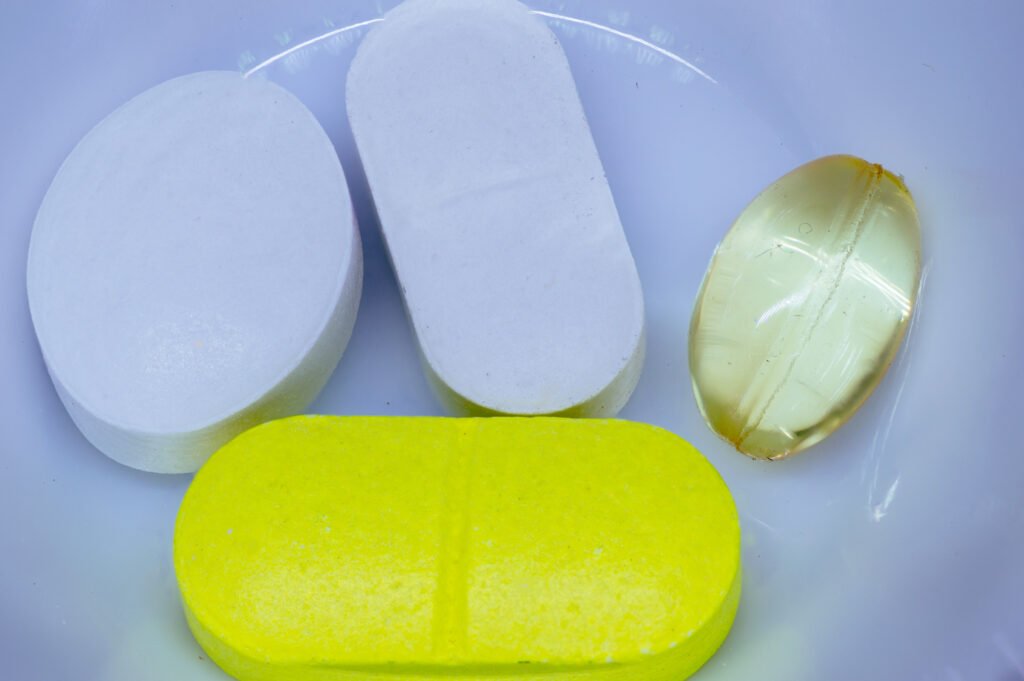
The placebo effect is real: a fake treatment, such as a sugar pill or a saline injection, can trigger a genuine, measurable improvement in a patient’s condition, driven by the brain’s own expectations rather than any active ingredient. It is not imagination, and it is not a trick being played on gullible patients — it is a documented biological response.
Correcting the “It’s All in Your Head” Myth
The common assumption is that placebo relief is just patients imagining they feel better, or politely reporting improvement they don’t actually experience. That framing doesn’t hold up. The effect was formally brought into mainstream medicine by physician Henry Beecher, whose 1955 paper “The Powerful Placebo” showed how often dummy treatments produced real, measurable benefits in clinical trials. That paper is a large part of why modern medicine now runs placebo-controlled trials as the gold standard for testing new drugs — researchers have to prove a treatment beats a fake one, precisely because the fake one reliably does something.
The Brain Circuit Behind Placebo Pain Relief
For decades, scientists suspected expectation could dull pain but didn’t know the exact wiring involved. In 2024, researchers at the University of North Carolina, led by Dr. Gregory Scherrer, identified a specific neural pathway in mice running from the anterior cingulate cortex, a brain region tied to expectation, through the pontine nucleus, and into the cerebellum. Mice conditioned to expect pain relief in a certain environment showed genuinely reduced pain responses, and when scientists artificially activated that same circuit, untrained mice experienced pain relief too. Blocking the pathway erased the effect entirely — strong evidence that placebo relief is a real, physical brain process, not a reporting quirk or wishful thinking.
Two Mechanisms Drive the Effect
Researchers generally point to two overlapping psychological mechanisms. The first is expectancy: what a patient believes will happen, shaped by a doctor’s words, a pill’s packaging, or even its color, changes how the brain and body respond. The second is classical conditioning, in which the body learns to associate a treatment ritual, like a particular pill or the presence of a specific nurse, with relief, so the ritual itself starts to trigger a response over time. Together, these mechanisms can influence dopamine, natural opioid, and serotonin pathways in ways that produce real physiological change, not just a shift in mood.
Where the Placebo Effect Is Strongest, and Where It Doesn’t Work at All
Placebo responses aren’t equally powerful everywhere in medicine. They tend to be strongest in conditions with a large subjective component — chronic pain, migraines, irritable bowel syndrome, depression, and anxiety — where the brain’s own expectation and mood systems have real influence over symptoms. Placebos are far less effective, and generally don’t work at all, for conditions with a purely mechanical or infectious cause, such as a broken bone or a bacterial infection, since no amount of expectation can knit bone or clear bacteria on its own. That boundary is itself evidence the effect is physiological rather than simply about willpower: it only moves the symptoms the brain has genuine influence over.
Why This Research Matters Beyond the Lab
Understanding the placebo effect isn’t just a curiosity; it has real clinical stakes. Every new drug has to prove it works better than a placebo in controlled trials, so researchers need to understand exactly how strong and how variable placebo responses can be, or trials risk drawing the wrong conclusion about a drug’s real effect. Identifying the physical brain circuits involved, like the one found in the 2024 UNC study, also opens the door to new non-drug pain treatments that could someday target those same pathways directly, offering relief without the side effects or addiction risks that come with many painkillers.